
The following is a guest post from Jorge Valenzuela. You can watch his video session on this topic in The STEM Teachers Club Membership.
With the Hour of Code™ (HOC) quickly approaching in the first week of December during computer science education week, many educators are looking for creative ways to bring aspects of computer science (CS) into their classes.
In my experience with coaching teachers, I find that many of them struggle to keep CS learning going after the HOC, mainly for two reasons:
They need to teach their content area (e.g., ELA, math, science, and social studies) and cannot dedicate valuable planning and instructional time to other items — especially at the expense of forgoing key knowledge and skills they need to either teach or revisit.
They lack the CS background and get overwhelmed by the plethora of resources and edtech tools.

Therefore, I think it's important to focus on three critical items when teachers are getting started integrating CS into lessons.
First, get kids grounded in core CS concepts and practices with computational thinking. Focus primarily on CS as a vehicle for problem-solving and creativity — don't make it all about coding.
Second, focus on creating awareness for CS and the countless opportunities afforded by computing jobs.
Third, have kids create computational artifacts.
I think the above-mentioned items are very doable and allow teachers who are new to the CS discipline to learn alongside students. With time, practice, and repetition doing more CS-infused projects will definitely get easier.
For teachers looking to bring CS into their class but still remain true to their content area — here are three ways to level up this current school year and beyond.
1. Begin Teaching CS with Computational Thinking
It’s important to understand that CS is a discipline that has ‘currently’ evolved into 15 distinct fields (branches of knowledge). According to Code.org, at its core, CS encompasses “the study of computers and algorithmic processes, including their principles, their hardware and software designs, their applications, and their impact on society.”
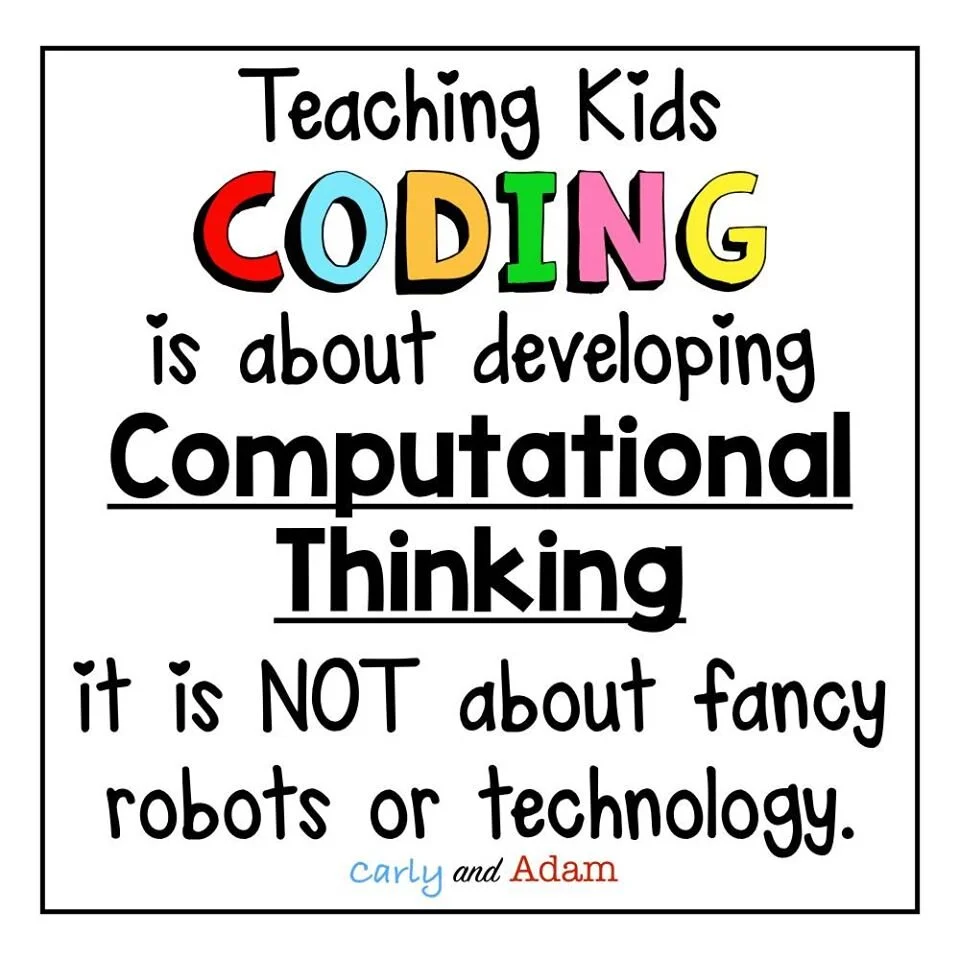
Preparing students to problem-solve creatively using computational thinking (CT) is at the heart of CS. CT provides the necessary mindset(s) (habits of mind for computing) and systematic approaches to problem-solving — which are the basics and foundational knowledge required for both hardware and software designs. The wonderful thing about CT is that it can be taught and occur without the use of computers (unplugged lessons). This means that any teacher can teach it, and every student can learn it.
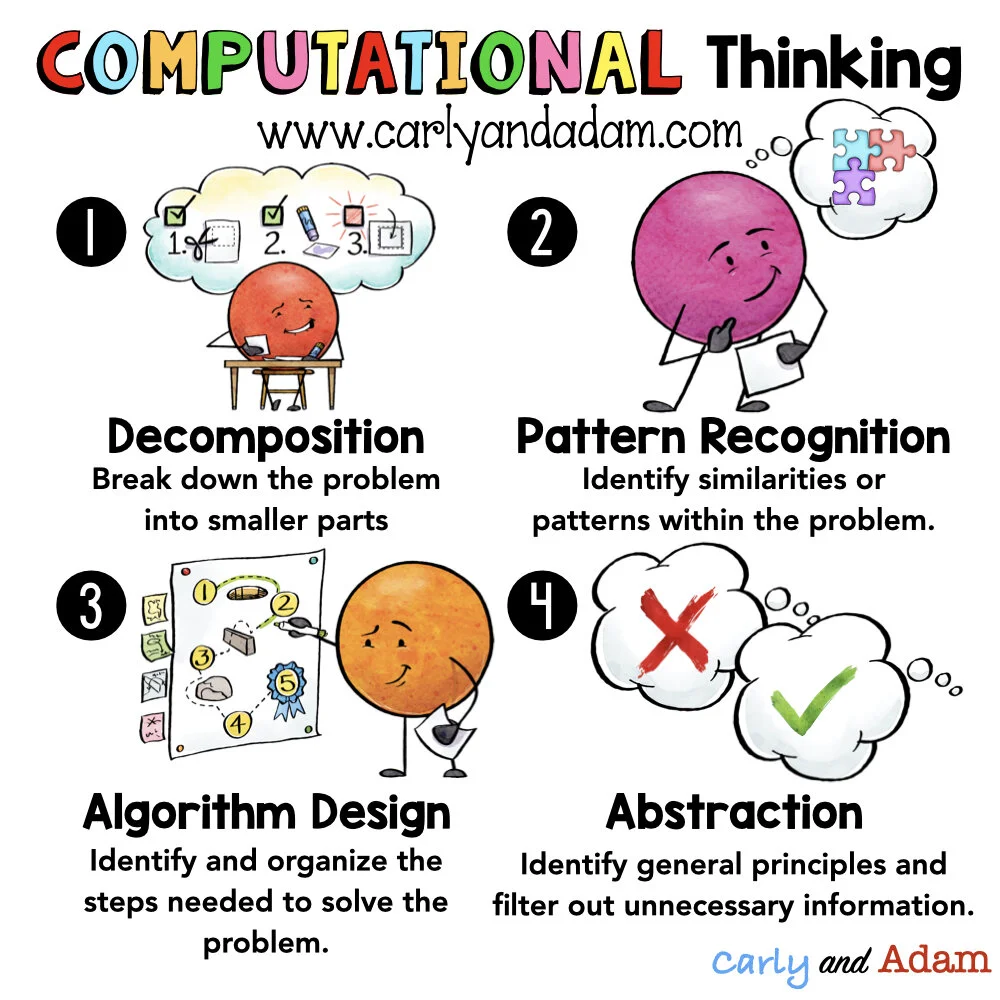
In K-12 education it is widely agreed upon that CT has four elements — decomposition, abstraction, pattern recognition, and algorithms. These can be taught to students by developing their versatility for recognizing and applying the four elements to familiar problems/situations in tandem with integrating them across the curriculum.
For getting started with CT here are some resources for educators to consider:
Computational Thinking and CS Unplugged: lessons
ISTE: Chapter excerpt on Computational Thinking from Rev Up Robotics
Jules: Computational Thinking for Children Video
2. Have Kids Explore Computer Science and Computing Jobs
In today’s economy, students can be career and or college-ready, and many want to be prepared for both! Similarly, our country needs a CS-ready and qualified workforce — AND schools and educators can help!
Code.org reports that computing jobs are the number one source of new wages in the United States. Data from the Bureau of Labor Statistics also tells us that computer and information technology occupations are growing faster than average for all other occupations. Incredibly the field projects to add more than 500,000 new jobs by 2028.
There are many valuable computing jobs for students to explore and learn about. Students who take an interest early on can prepare themselves for numerous occupations in fields like data security, supply chain management, programming, platform-based development, information management, and software engineering — among many others.
For promoting student awareness and practical experience through classroom projects and work-based learning, here are some resources for educators to consider:
ComputerScience.org: Compare Top Careers in CS
PBLWorks: How Students Become Ideal Teammates
3. Have Students Create and Develop Computational Artifacts
Creating computational artifacts is one of the core CS practices students should experience when they begin learning CS. Computational artifacts are versatile and include a wide range of products such as images, videos, presentations, audio files, and computer programs.
My experience has shown me that many students are already creating computational artifacts in their leisure. Leveraging their passions and past experiences for transferring learning through computational artifacts can be very compelling for having them level up their CS skill sets.
Fun computational artifacts to incorporate in CS projects/units may include but are not limited to the following:
AutoDesk: Design planning
Code.org: Create Applications in the App Lab
Common Sense Education: Apps and Websites for Virtual Tours and Field Trips
Edutopia: How to Get Started Teaching Coding
Edutopia: Student Created Videos (for YouTube and beyond)
Sphero Edu: Programming
TeachWriting.org: A How-to Guide for Student Created Public Service Announcement (PSA)
Wabisabi Learning: 8 Free Website Creator Tools for Classroom Projects
Important note for teachers: Computational artifacts should not be considered ‘the actual project’. Rather they are created and developed as a student product within a project or unit plan.
Final Word
Like anything else, expertise in the CS core concepts and practices takes time, dedication, and practice. If you are a content area teacher looking to integrate CS into your class, my suggestion is to start small and only do one or two high-quality CS themed projects a semester. That's only once every nine weeks or once every eighteen weeks. Learn alongside your students, reflect with them often, and remember to have fun!
More Hour of Code Resources:
5 Things to Consider when Planning for Hour of Code™
Why We Need to Be Teaching Kids Coding and How to Get Started
The First 3 Coding Lessons You Need to Teach Kids
Learn how to teach coding and integrate computational thinking in all subjects! Download the eBook How to Teach Coding to Kids!
Want more tips to help plan for Hour of Code™? Get access to the full training video when you join The STEM Teachers Club Membership!

We hope you have found this blog post helpful. To stay connected with Carly and Adam's teaching tips and classroom freebies be sure to follow us on Facebook, Pinterest, Teachers Pay Teachers, and subscribe to our blog!