
Summer Read Alouds and STEM Challenges
*This blog post contains Amazon affiliate links. By clicking on the links and making a purchase, we may receive a small commission at no additional cost to you.
Summer is the perfect time to engage your students in fun STEM and maker learning! This month’s read aloud selections offer hands-on learning that will keep your students engaged, thinking creatively, and problem-solving with a purpose during the summer months.
There are so many benefits to adding a read aloud to your STEM lessons. A STEM read aloud is a book that is read before a STEM activity to provide a context for the challenge. The purpose of the STEM read aloud is to provide students with background knowledge for the challenge as well as to set up the problem that students are going to be solving.
When we connect children’s literature to STEM and maker learning opportunities, we tap into important skills for our students including:
Problem solving
Comprehension
Creativity
Divergent thinking
Hands-on learning can be incorporated within the read aloud or as an extension activity. You can implement these lessons at any time of year, but here are a few stories that are perfect during the summer months. Be sure to check out the monthly menus to find all sorts of activities to connect to each book.
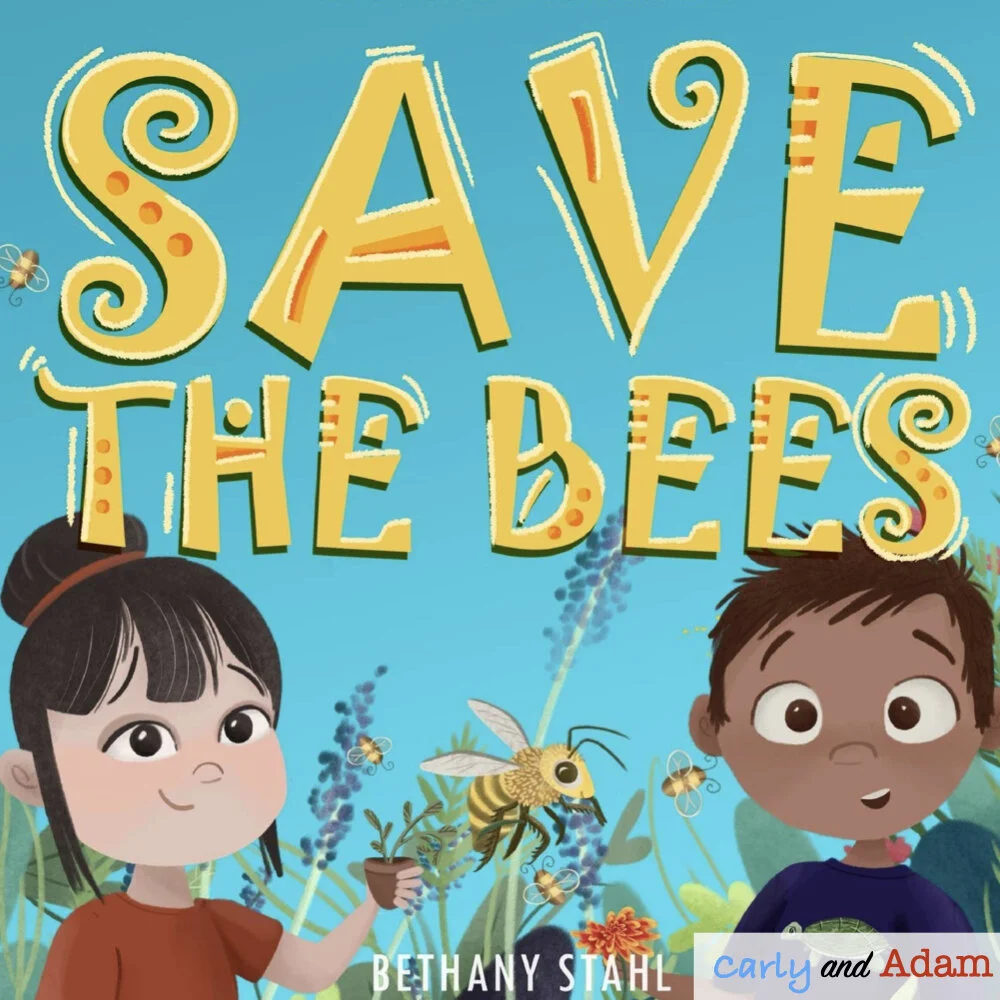
Save the Bees
Together we can all save the bees. Save the Bees by Bethany Stahl is a story about Clover and her very important job. Mateo and Cho curiously stumble across Clover buzzing around with fluffy pollen all over her. Clover explains all of the different jobs bees can do including pollination and creating honey. Mateo and Cho are saddened to learn about how hard the bees are having to work because of all of the buildings going up around them. Mateo and Cho work together to help the bees get the job done. Your students will love to help Mateo and Cho problem-solve and design some solutions for Clover and the bees with activities like these:
Research how you might make a bee hotel using rolled up paper or other recyclables. Place your hotel outside so that bees have a safe place to rest.
Planting flowers help bees. Plant some flowers at home or in your neighborhood. What types do bees like best? What kind will you plant?
Clover shared a map of the path she takes to get home. Draw a map to help you get home from school.
Get the Read Aloud STEM menu for this book here.
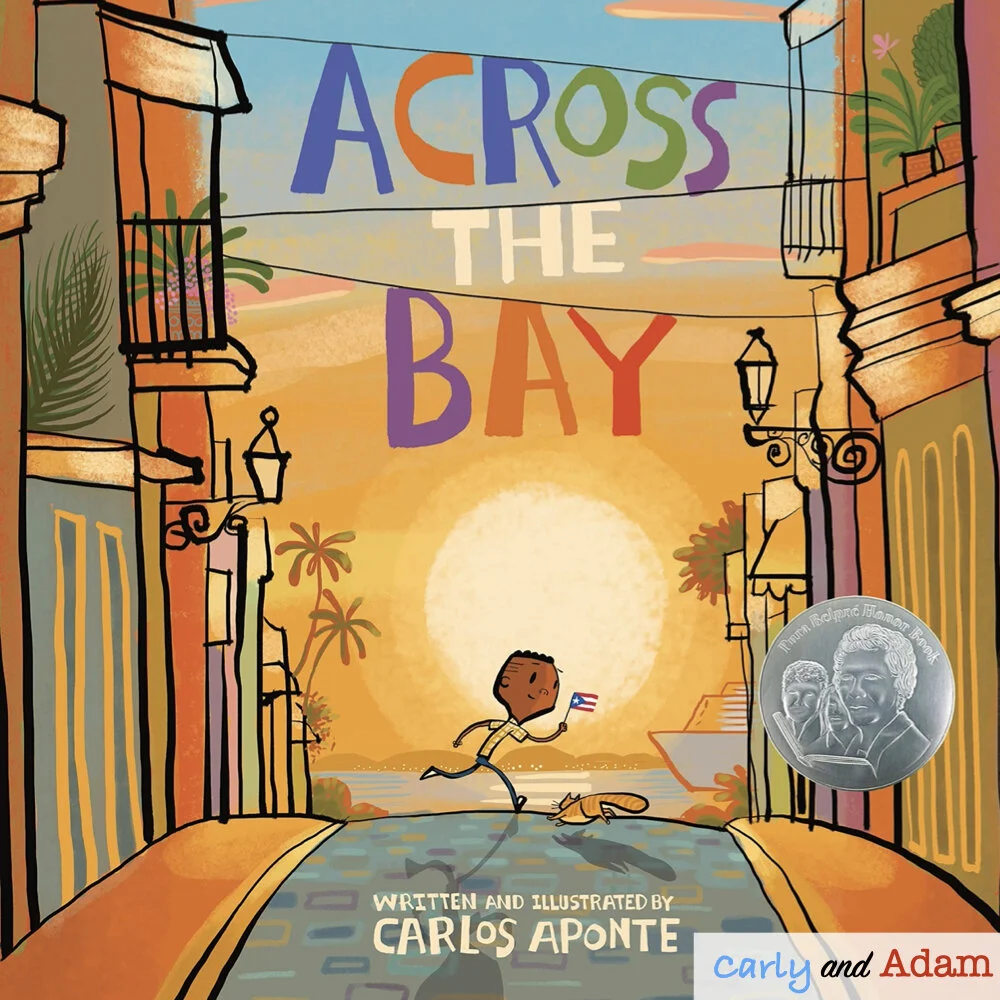
Across the Bay
Across the Bay by Carlos Aponte is a colorful and heartwarming story of a young boy named Carlitos who goes on a journey across the bay. Carlitos lives in a small, cozy town in Puerto Rico with his mother, his abuela and Coco, his cat, but he is drawn to the big city of San Juan to look for his Papi. In his search for family and identity, he finds his happiness is at home. Take your students on a designing adventure with activities like these:
The town had very colorful houses. Redesign the outside of your house using your favorite colors. Create a sketch showing your redesign.
Carlitos visits the barber shop. Barber shop chairs move up, down, and spin around. Design your own chair that can move.
Traveling by ferry boat can be fun. Build a miniature ferry boat and see if it floats.
Get the Read Aloud STEM menu for this book here.

Saffron Ice Cream
Rashin is a young Iranian girl who is beyond excited to explore the beach near her new home in Brooklyn. Saffron Ice Cream by Rashin Kheiriyeh is a story that compares and contrasts the cultural differences between Rashin’s beach trips to the Caspian Sea in Iran and her family trip to Coney Island near Brooklyn. She finds that there are many differences and similarities between the two beach trips. She longs for home, but finds joy in her new experiences, too. After reading this story, students can do a little research and exploration with challenges like these:
Iran and the United States have many similarities as well as differences. Create a poster that shows some of the similarities that were shared in the story.
When Rashin’s family lived in Iran they visited a beach there, driving 5 hours to get there. How long would it take you to get to a beach? Draw a map showing how you would get there.
Pretend you are the ice cream seller, what unique flavor of ice cream would you create? Create a recipe for your flavor and give it a catchy name.
Get the Read Aloud STEM menu for this book here.
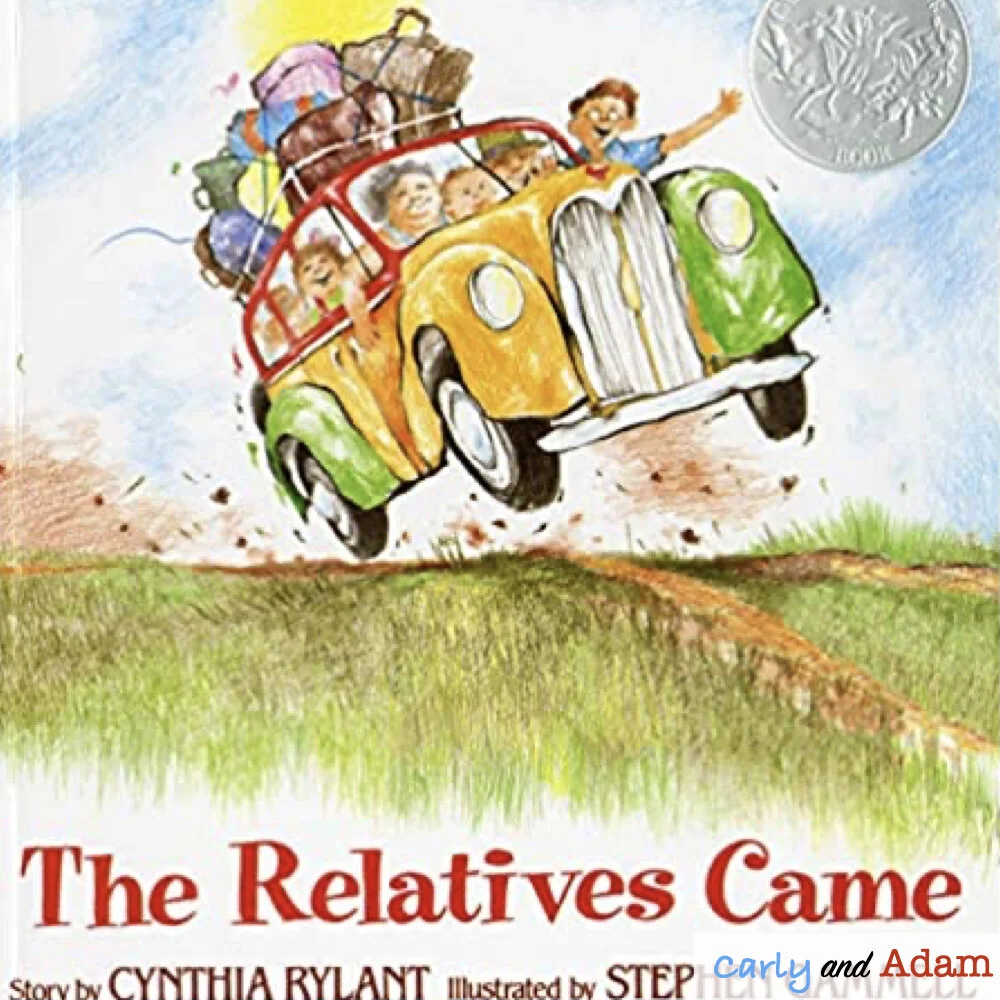
The Relatives Came
This story is a celebration of summer, family, road trips, and simple joys. The Relatives Came by Cynthia Rylant is the perfect summer read aloud. It’s a relatable adventure about the relatives road tripping from Virginia, creating memories with family, and returning home. The Relatives Came is filled with love, joy and excitement on every page. This exuberant story provides many opportunities for learners to engage in innovative thinking and creative expression with challenges like these:
The relatives leave for the road trip from Virginia at 4 am. Use a map to figure out the different travel routes. Which direction do you think the relatives went based on the details in the story?
There are lots of people in this family. Map out your own family tree, writing down all of the relatives in your family and where they are from on the map.
When the relatives visited, there wasn’t much room for everyone to sleep. Design a better solution so that they won’t have to sleep on the floor.
Get the Read Aloud STEM menu for this book here.
One Hot Summer Day
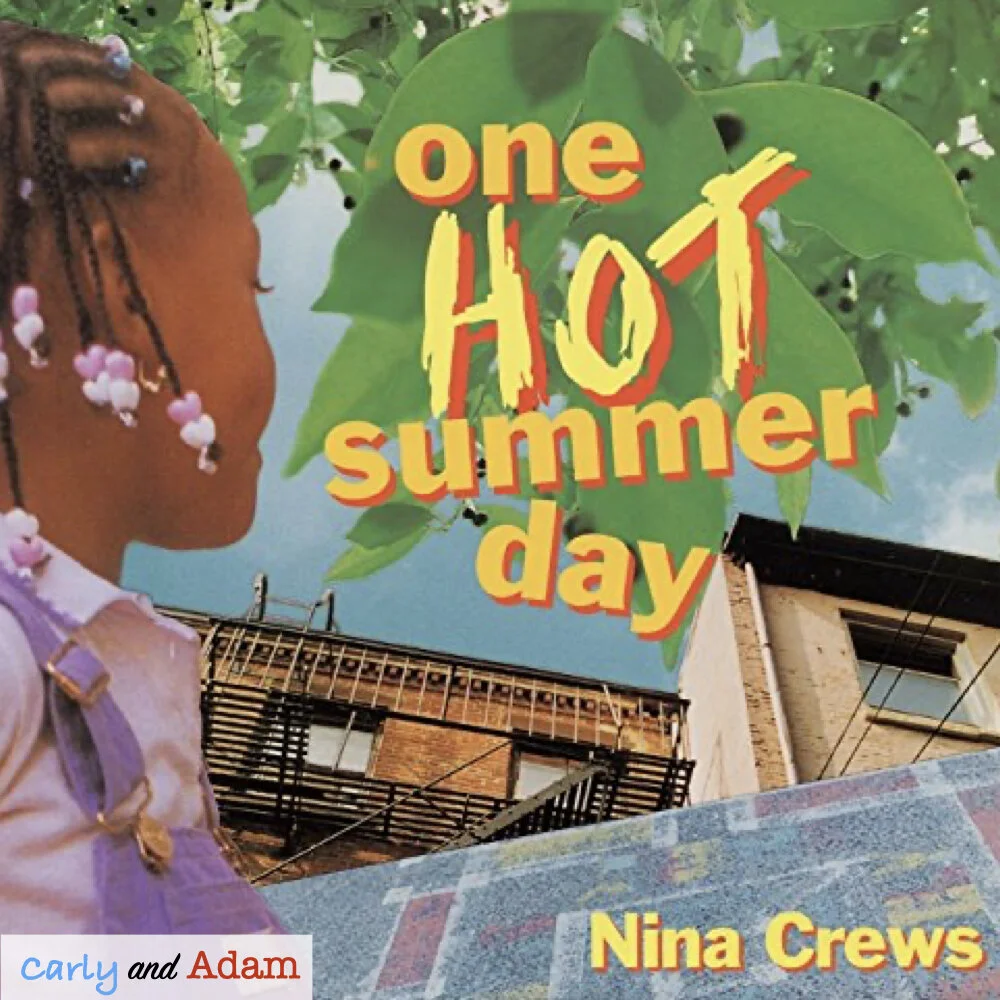
While reading One Hot Summer Day by Nina Crews your students can adventure through a hot summer day in the city and all of the different ways to keep cool. This story follows a little girl who explores the heat and the cool on a perfect summer day. Join in her summer day adventure with the following activities:
Create something to provide some shade in the hot summer. A hat? An umbrella? Or some other invention?
The sun is so hot that she tries to fry an egg on the sidewalk. Melt an ice cube on the sidewalk on a hot summer day. How long does it take to melt?
Make shadow drawings outside. Place a small toy on a piece of paper and trace the shadow. Come back later and observe how the shadow has changed.
Get the Read Aloud STEM menu for this book here.

Goldfish on Vacation
Who says you have to leave the city to go on vacation? Goldfish on Vacation by Sally Lloyd Jones is a humorous book, based on a true story, about a grandpa who took a New York City fountain and turned it into a summer goldfish vacation pond. This story describes the fun and joy of three city kids, their three bowl bound goldfish, and how the fountain brought a community together. This quirky story about a goldfish on vacation will provide many opportunities for learners to engage in innovative thinking and creative expression with activities like these:
Design an engaging aquarium for your goldfish that will be better than a plain bowl.
Where would your pet like to go on vacation? Create a plan for places that a pet could enjoy.
Create a model of a goldfish or other fish that you like using recyclables. Be sure to create fins, gills, eyes, and a mouth.
Get the Read Aloud STEM menu for this book here.
This month, take some time to explore these (and other) great books. Whether learning about the bees or the beach, summer is a great time to engage in some hands-on maker learning experiences.
If you need more ideas for implementing Read Aloud STEM virtually, check out the following resources:
Our summer read aloud STEM menus are full of activities for each of these books that will keep your students engaged and asking for more! Get the STEM Menus Here!
Join our FREE Facebook group Elementary STEM Teachers with Carly and Adam! Learn more about how to incorporate STEM in your classroom or at home and collaborate with other STEM teachers! JOIN NOW!

We hope you have found this blog post helpful. To stay connected with Carly and Adam's teaching tips and classroom freebies be sure to follow us on Facebook, Pinterest, Teachers Pay Teachers, and subscribe to our blog!