
So You're Teaching STEM on a Cart Next Year...Now What?!?
The following is a guest post from Erik Murray, a 6th grade STEM Teacher. You can watch his Video Session on this topic in The Elementary STEM Teachers Club Membership.
So, it happened; you survived one of the strangest school years on record. You became a Zooming, Flipgriding, Google-Classroom extraordinaire. You had a moment to rest; take a breath and then you got the call. Maybe it wasn't a call, perhaps it was an email. But, you’ve received the news. Next year you will be teaching from a cart.
Panic sets in; you immediately think of your favorite, material laden activity, and fear that you won’t be able to make it work while teaching on a cart. You struggle to think how you are going to replace it, and the August anxiety sets in the 3rd week in July.
I’m here to tell you it's going to be ok. I know that because when I got that call I was told that I would be teaching four different subjects. I spent three years teaching on a cart and once I got it down, it was simpler. Here are the lessons I learned along the way.
Scope it Out!
Before you begin, it's best to stake out the room and the other teachers that use the room as well.
Can you store stuff in the room?
What is the room equipped with?
This can help you plan what you will need. Having a place to store things can be crucial. In the rooms I worked in I was able to negotiate storage space. Many teachers are sympathetic to the use of the cart and are willing to help you when they can.
Another thing to consider is, who else is going to be using the room? Meet with the other teachers and create a list of norms for the shared space. Things you should consider asking include:
Can I be in the room when you're teaching?
How do you like the tables arranged?
Can I leave materials/projects in your room?
Anything you want to do to change the room you should ask about as well.
A good way to approach it is like having a roommate. You’re sharing a space so it's best to know what level of “mess” can be tolerated. The room is a shared space and needs to be treated as such. I got into trouble with someone I shared a room with. I would walk away with the dry-erase markers and they would have to chase me down for them. So, make sure to leave the room the way you found it.
Part of my morning prep was going around to my rooms to make sure they were ready for the day. As I checked in I would talk to my room sharing teachers about what was going on in the room that day.
Materials: Think like a Chef
One of the goals of cart teaching is trying to carry the least amount of stuff around with you.
If you have to carry around your materials, think about it like you’re cooking; how many different recipes can you make with just the basic ingredients: salt, sugar, flour, eggs and water? That is your new approach to teaching. What are the most basic materials that you can take with you to maximum effect?
My go to materials that I carry with me everywhere are: copier paper, masking tape, post-it notes, popsicle sticks, scissors and markers. I could teach a whole year with those primary ingredients. If you need some inspiration here are some activities that can be done with very few items. Get access to this menu as well as other STEM menus challenges and resources when you sign up for the STEM Teachers Club Membership.
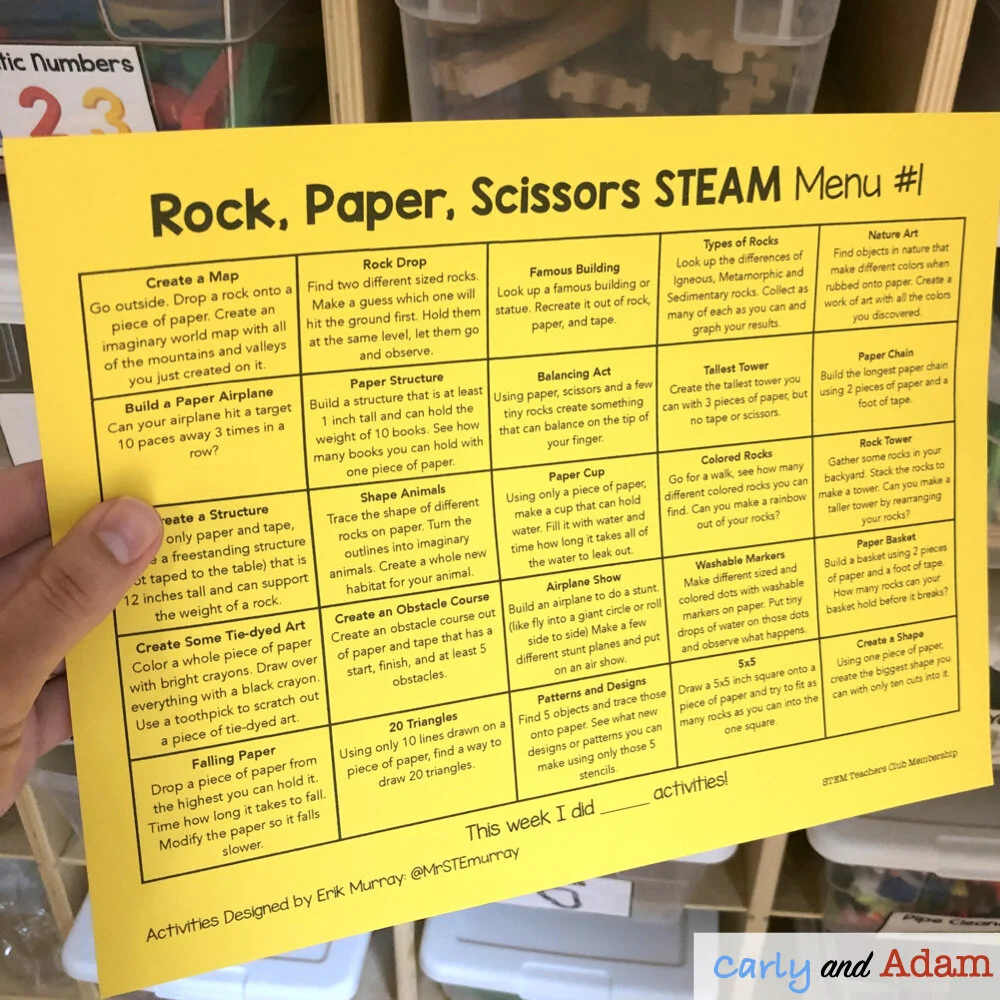
Whatever you pick for your materials, I would recommend storing in a locking plastic bin. This serves two main purposes. First, it prevents small hands from sneaking in to get some extra materials. Also, it helps prevent accidents when traveling from class to class. One time I was traveling with a large box of LEGO blocks. A sixth grader was not paying attention to where he was going and collided head on. I think the janitor is still finding blocks in the hallway to this day.
Organization: Setting up your Battlestation
Below is a picture of what my cart looked like. One of my rules was that anything on the top of the cart was fair for students to take and use. While things on the bottom of the cart were off limits to students. The red cloth draped over the side helped reinforce that point. It also kept some level of mystery for my students.
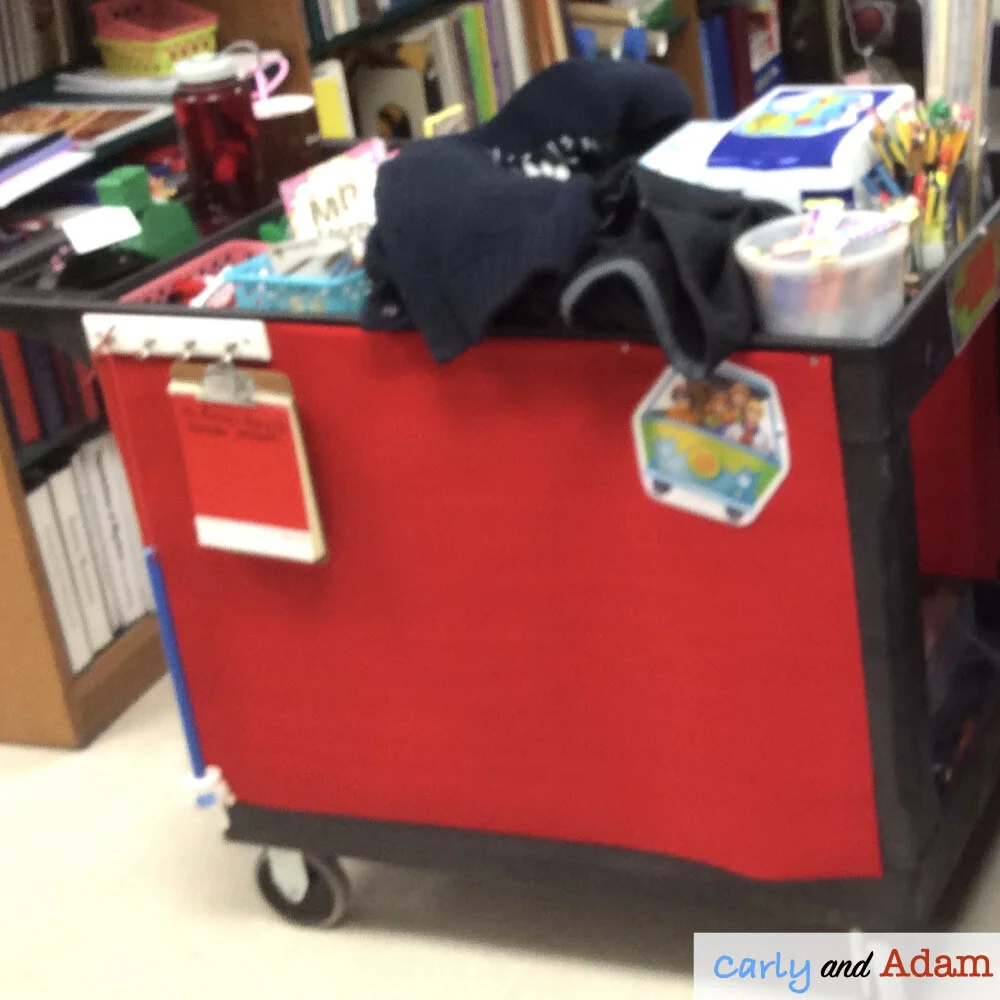
This can also end up being a great conversation with your students. “What do you think I have on my cart today?” What yes or no questions could you ask to figure it out? Asking questions can help facilitate a scientific conversation and get students engaged for the upcoming lesson.
With organization; the best thing I learned to do was, when making copies, I would number my handouts sequentially and try to have 2 handouts planned ahead. This helps keep students organized, if they’re missing a number there's a place where they can get it from. Also, when you lose your place from running around the building you can ask the class “what number are we on?” which can help you get back on track quickly.
Finally, Do-Nows and Bell ringers are your best friends. I like to start class with a simple 5-minute writing activity, drawing on what we are doing in class. Students come in and expect this as a norm. Having students sitting quietly at the beginning of class writing helps them get geared up for class and buys you some extra time. Then find a way to end class with a fun simple material free activity, something that would encourage students to clean up fast to get to it. I do something where I let students ask me a question about anything and I will answer it.
What to do When it All Goes Wrong
Things are inevitably going to go wrong. It happens. Sometimes you're just having an off day. Maybe you left your coffee on the roof of your car and drove away. Or a student crashed into your cart causing thousands of colorful plastic blocks to go into the hallway like a deleted scene from Home Alone.
Things go wrong and you need a break to collect yourself (and maybe your LEGO blocks). It is always good to keep some sort of emergency activities on your cart. Something simple that leaves no explanation. My favorite things are movies, toothpick puzzles and Sam Loyd puzzles.
Sam Loyd was a puzzle maker from the 1800’s. His puzzles are a killer. I have had one or two of them take a whole class period to solve. Great way to break up the day and give you a break when you need it.
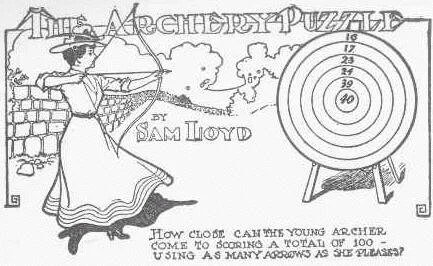
This Puzzle led to a great class long discussion.
Closing Thoughts
Teaching on a cart can be challenging, but it will provide a great opportunity for you to learn to plan, organize and think ahead. The first thing you should do is figure out the space you're working in. Create a list of norms between the teachers that you are sharing the room with.
Think about what materials you need to work with and keep them in proper supply. Be prepared to be flexible and have a plan for when things are going to go wrong. Don’t worry, everything is going to be okay.
Want more Tips for Teaching STEM on a Cart? Get access to the full 30 minute training video when you join The STEM Teachers Club Membership!

We hope you have found this blog post helpful. To stay connected with Carly and Adam's teaching tips and classroom freebies be sure to follow us on Facebook, Pinterest, Teachers Pay Teachers, and subscribe to our blog!