4 Communication Strategies for the 21st Century Classroom
The following is a guest post from Mandi Figlioli, author of Miss Makey and the Magic Bin. You can watch her Video Session on this topic in The Elementary STEM Teachers Club Membership.
Teachers pride themselves on their ability to communicate content and thoughtfully plan meaningful learning experiences. Many likely assume they are skilled communicators; this is a risky assumption.
21st Century learners are digital natives. They communicate in ways that are often unfamiliar and use technology as their preferred platform.
Let’s be honest. Sometimes it feels like they’re speaking a different language. Between the Emojis, Bitmojis, hashtags, acronyms and countless social media platforms, it’s impossible to keep up.
As foreign as this new world feels, it is important that we respect how students communicate and meet them where they arrive.
“Communication works for those who work at it.”
~ John Powell
Communication is a two way street. The key to communicating effectively is acknowledging that not everyone has the same style of communication. Dr. Tony Alessandra defines 4 styles of communication: analyzer, director, socializer and relator. Each style possesses specific qualities and dispositions.
Click here to take the quiz and identify your preferred style of communication.
The 4 Facets of Communication
In my “Communicating in the 21st Century Classroom” session in the STEM Teachers Club Membership, I explore each style of communication, and how to work with learners and colleagues who have different preferred styles.
1. Teacher → Student

A teacher’s primary role is to develop pathways to conceptual understanding. This is accomplished by utilizing a variety of tools and instructional strategies. Traditionally, a teacher would present content through lectures and demonstrations.
The 21st Century classroom requires a different model, one that invites and empowers students to take an active role in the design of their learning journey.
In my session, we unpack the literacies across disciplines, the Standards of Mathematical Practice, questioning strategies, and effective tools for providing concise and timely feedback.
2. Student → Teacher
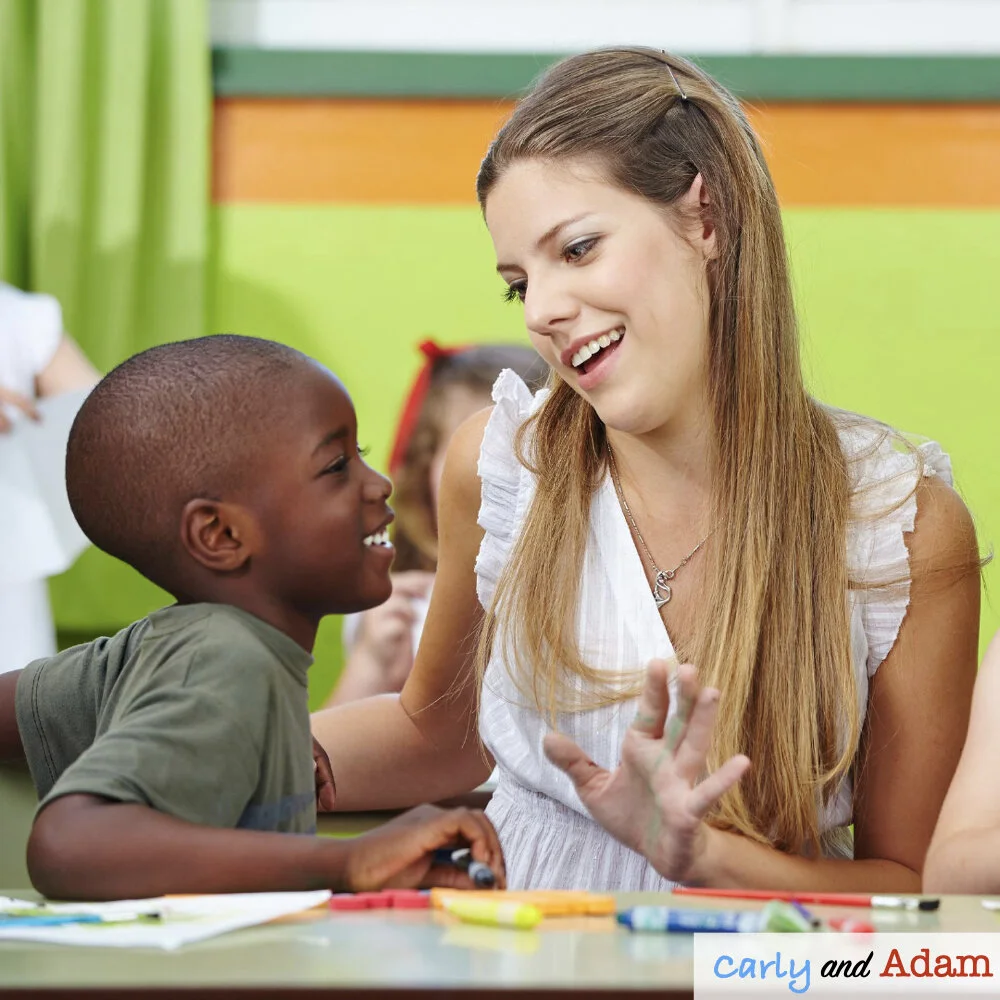
With the vast array of high and low tech tools that are available to students, it is imperative that we give students the opportunity to SHOW us what they know.
Students desire to be more than passive consumers of content.
Offering voice and choice for students not only increases engagement, but also provides options for accommodating various learning styles. Choice boards, learning menus and hyperdocs are a great way to offer options to students.
Consider the following options for students to showcase their learning:
Drawing
Video creations & screencasts
Images & infographics
Storytelling
Interactive Whiteboards
Audio
Click here to access resources that support each of the above categories.
3. Student → Student

Have you ever asked students to brainstorm on a topic or design challenge and you find them staring at each other, uncertain where to start?
Another common misconception is that students are innately equipped to communicate and collaborate with their peers.
As with any other skill or strategy, teachers must explicitly model, teach and practice conversational norms such as eye contact, turn taking, and handling disagreements. The same applies to brainstorming. Invest in the time to walk through the process of collecting ALL ideas- good, bad, and ugly. Emphasize the importance of thinking over knowing.
Students need to feel safe sharing their ideas in a group setting.
Once you’ve collected all of the ideas, guide students in the process of elimination, choosing only the most viable solutions. Once students have mastered these skills, you unlock the potential for them to actively participate in meaningful collaborative assignments.
“The problem with communication is the illusion that it has happened.”
~ George Bernard Shaw

4. Teacher → Teacher
As a curriculum specialist and instructional supervisor, I actively seek opportunities to advance my pedagogical skills and amplify my impact. I belong to many local and virtual learning communities.
In the “Communicating in the 21st Century Classroom” session, I talk about the power of social media in becoming a connected educator. I also share many of the tools that I’ve developed to empower teachers to take a lead role in their professional learning.
I hope we get the opportunity to teach better together in the STEM Teachers Club Membership Group!