Stem For All: Voices From the Field
The following is a guest post from Dr. Jacie Maslyk.
I have been passionate about STEM learning for a long time. I love the way that students become empowered when they are experimenting, designing, collaborating, and problem-solving. The hands-on nature of this type of learning has opened new doors for struggling learners, offered access to learners who had previously missed out, and broadened horizons for students who just didn’t think STEM was for them.
I have observed this in the schools that I have worked in, as STEM has evolved over the last 10-15 years. Including an “A” for the arts or an “R” for reading, robotics, or religion, STEM has proven to be a pathway for many students.
I think about the learners who have connected with STEM in ways that changed their trajectory. I reflect on a 6th-grade student with Autism who found his niche in programming and went on to study it in college. An English Language Learner who connected with her peers through robotics and then led her robotics team to a regional competition.
I think of a young student of color who blossomed as a leader when he discovered that his aptitude in critical thinking and creativity would open up new friendships and new opportunities in his community. He went on to design a project to create a positive impact in his neighborhood.
There are lots of stories of STEM success in every school. Students have found these connections to learning because they have engaging teachers who understand the importance of STEM and the dispositions that it can build in our young people.
Amazing educators understand the importance of STEM learning and use it to leverage learning for the students they serve. Here some voices from educators sharing why STEM learning is important for every learner:
Remote Learning
Debbie Reynolds is a STEM Specialist in Pittsburgh, Pennsylvania. She is a member of the STEM Teacher Leadership Network, a contributing author to The STEM Informer, the PAECT Educator of the Year 2020, 100Kin10 Ambassador, and Carnegie Science Award Middle-Level Educator of the Year. Debbie is also serving as a 19-20 Albert Einstein Distinguished Educator Fellow.
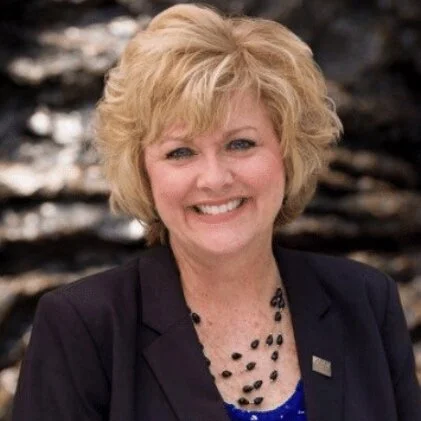
“I have always been a huge proponent of STEM for all learners. In this time of remote learning, it is even more crucial that we create a level playing field for all students, and STEM is the perfect vehicle in which to do this.”
Inspiring Learners
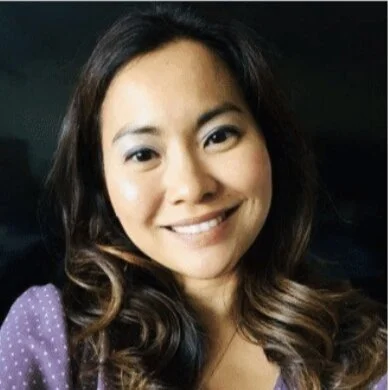
A homeroom teacher in Cary, North Carolina for the last 19 years, Shirley Pyon took on the role of STEM teacher to 860 students this year. She shares why she believes that STEM is important.
“In my experience, I have witnessed the awe-inspiring potential of STEM learning. Hands-on learning through STEM allows all learners to participate freely without some of the common fears our students experience in not knowing how to spell a word or making careless math mistakes. STEM activities encourage kids to make and learn from those mistakes as a natural process of learning. STEM inspires curiosity, uncovers questions that the mind doesn’t always articulate verbally, and it satisfies the naturally scientific and mathematical parts of our soul. I’m a believer in the power of STEM to inspire all of our learners.”
K-12 Connections
There is real power in providing connected learning experiences for students. It is often how students find their way in school. Sometimes they connect with a topic that they are interested in. Sometimes they are intrigued by a new tool. Most often they connect with a passionate educator who builds a relationship with students to make a difference. Educators like David Lockett exude passion for their craft. A 2020-21 Albert Einstein Distinguished Fellow, David is a STEM and Computer Science Teacher in Lake Wales, Florida. He was recently named the 2020 ISTE STEM Excellence Award Winner.

“I’m excited about the growing applications in remote learning and the remarkable educational resources that have been created to meet that demand. As STEM is currently being refocused, it is also a good time for educators to refocus their approach to instruction. STEM learning can be linked to almost every subject in K-12 education.”
There is no doubt that STEM learning can be integrated into all aspects of our K-12 school systems. It also extends beyond the classroom as STEM pathways.
College, Career and Beyond
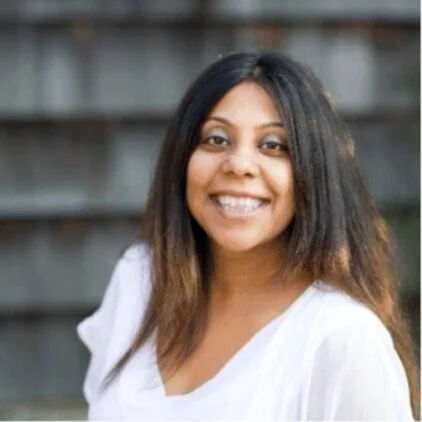
Dr. Nitya Jain is an Assistant Professor in Pediatrics at Harvard Medical School. She is the Assistant Immunologist in Pediatrics at Massachusetts General Hospital. Through her diverse roles, Dr. Jain is an example of STEM learning in higher education and a role model for the potential pathways to in-demand careers in science, technology, engineering, and math.
“I have communicated scientific concepts to students spanning a wide age range- from elementary school kids in my children’s classrooms to high schoolers and undergraduates who intern with me in the summer in my research lab, to graduate students and fellows that I train. The importance of hands-on learning at any of these stages cannot be emphasized enough.
The little ones with their shorter attention spans love the idea of doing an ‘experiment’ by themselves (taking something back home to show their family is a definite plus and keeps them engaged longer). The older kids get a taste of what biomedical research actually entails- the grind of working at the bench combined with the absolute joy of creating knowledge. That moment (however far between) when you discover something new is pretty heady and can hook them to a lifelong love of science. The most important component of hands-on learning is, of course, making mistakes- discoveries cannot be made unless mistakes are made!”
STEM for Humanity
Analog astronaut, explorer, and geoscience professor, Dr. Sian Proctor is passionate about using her platform to inspire those within her reach. She helps others develop leadership skills and opportunities through professional development and making connections across the STEM fields.
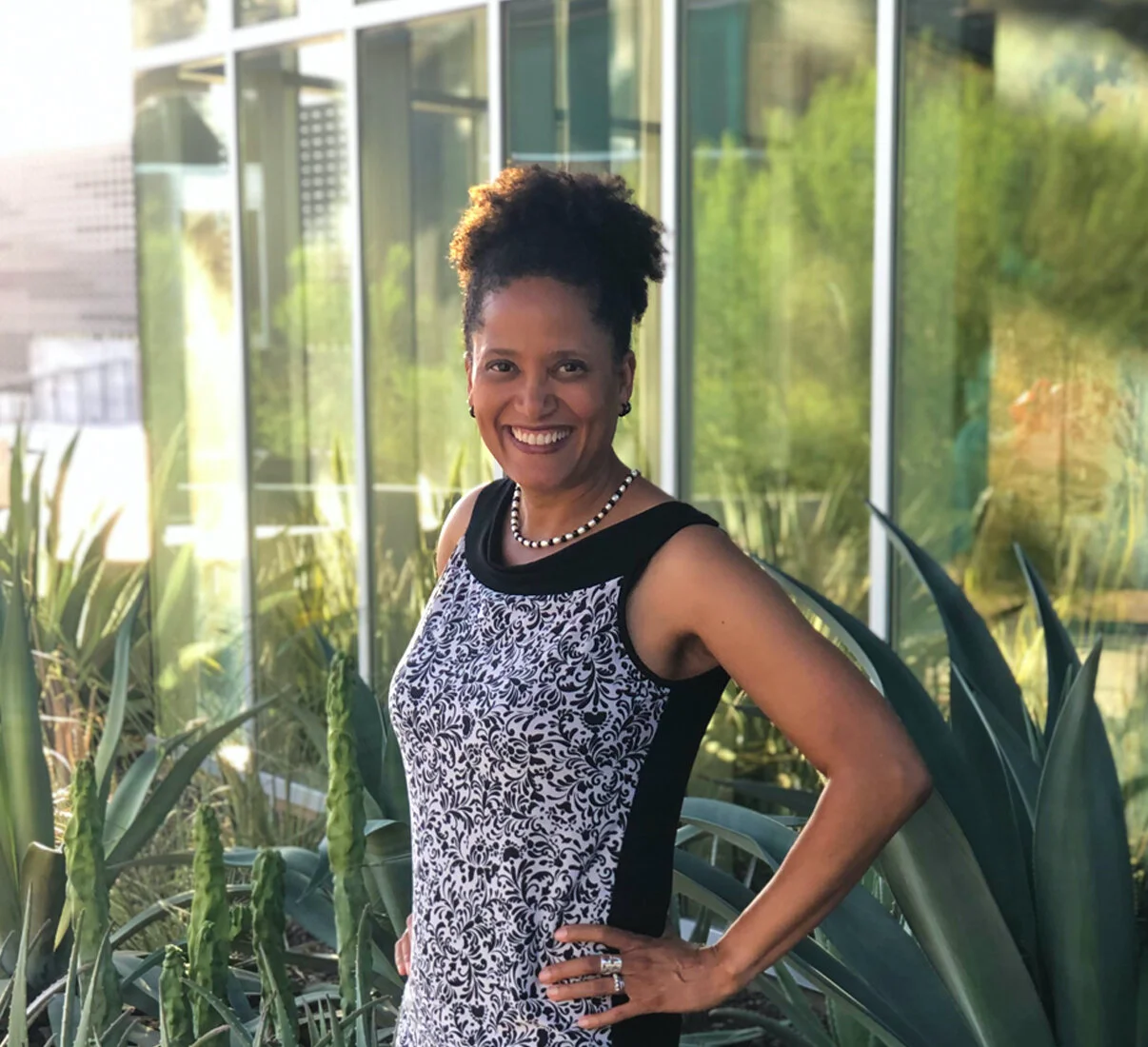
“Every single object we interact with every day was either created or can be described through Science, Technology, Engineering & Mathematics (STEM). STEM literally makes up our entire world. There is no better human gift than the ability to create what we dare to imagine and, as educators, we can empower our students to both interact with and create the world around them through STEM.
Our goal should be to nurture the already creative and inquisitive human nature and to develop real-world problem-solving skills through hands-on STEM activities. Getting students to see the Science, Technology, Engineering & Mathematics all around them and how it is in everything they do means that they will develop a habit of being, where the person they are, and the STEM world they live in and engage with, are one and the same.”
STEM For All
The integration of science, technology, engineering, and math can inspire learners at all levels to engage in new discoveries. STEM learning can introduce students to new tools and applications. It can provide opportunities to explore curiosities and experiment while learning remotely.
Learners can uncover topics that they are passionate about and find potential career pathways in STEM fields. Through STEM, our students can find inspiration to create and design for the future. They can find hope in human connections and collaboration fostered through learning in hands-on and authentic ways.
STEM is for all learners. It is brought to life by outstanding educators and experts in the field who share their interests and passions with young people. We can create access for all learners to engage in STEM learning whether at home or at school. Schools and other organizations can create diverse pathways so that students can see the unlimited opportunities that STEM can provide for them.
Join our FREE Facebook group Elementary STEM Teachers with Carly and Adam! Learn more about how to incorporate STEM in your classroom or at home and collaborate with other STEM teachers! JOIN NOW!
We hope you have found this blog post helpful. To stay connected with Carly and Adam's teaching tips and classroom freebies be sure to follow us on Facebook, Pinterest, Teachers Pay Teachers, and subscribe to our blog!