Elephant Toothpaste Science Experiment
The Elephant Toothpaste Science Experiment is an exciting way to teach students about chemical reactions and the scientific method.
Elephant Toothpaste Science Experiment by Carly and Adam
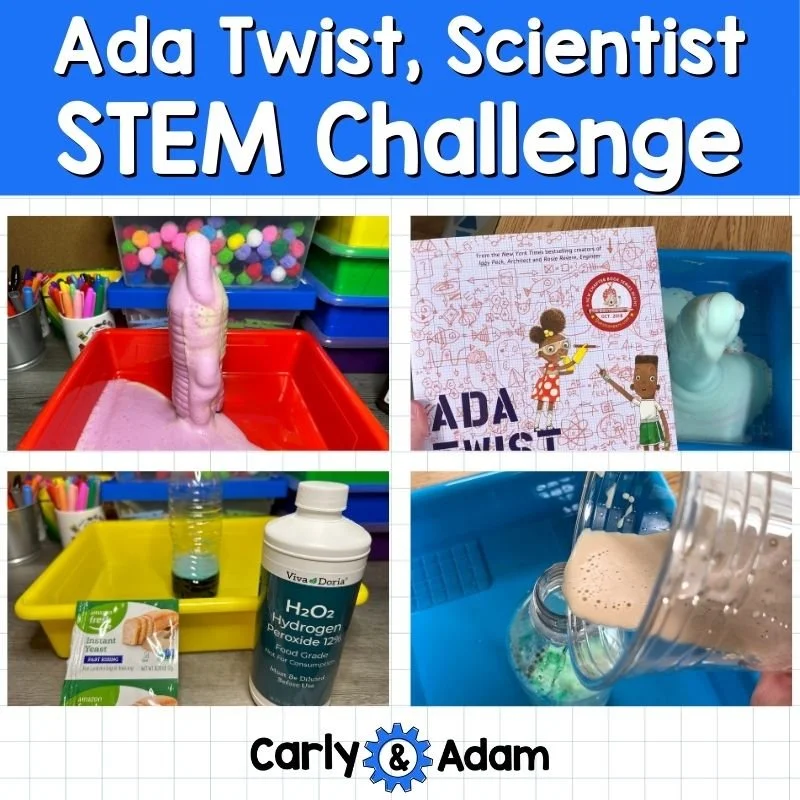
Turn Ada Twist, Scientist into an unforgettable hands-on STEM challenge! Students conduct an Elephant Toothpaste Science Experiment, make a hypothesis, observe a colorful chemical reaction, and compare their results. This elementary science activity is perfect for teaching the scientific method, chemistry, and chemical changes through a favorite read-aloud.
With just a few simple materials, students can create a colorful, foamy reaction while investigating how changing the amount of yeast affects the results.
This science experiment pairs perfectly with Ada Twist, Scientist. Like Ada, students will ask questions, make a hypothesis, conduct an experiment, record observations, and draw conclusions.
What Is Elephant Toothpaste?
Elephant Toothpaste Science Experiment by Carly and Adam
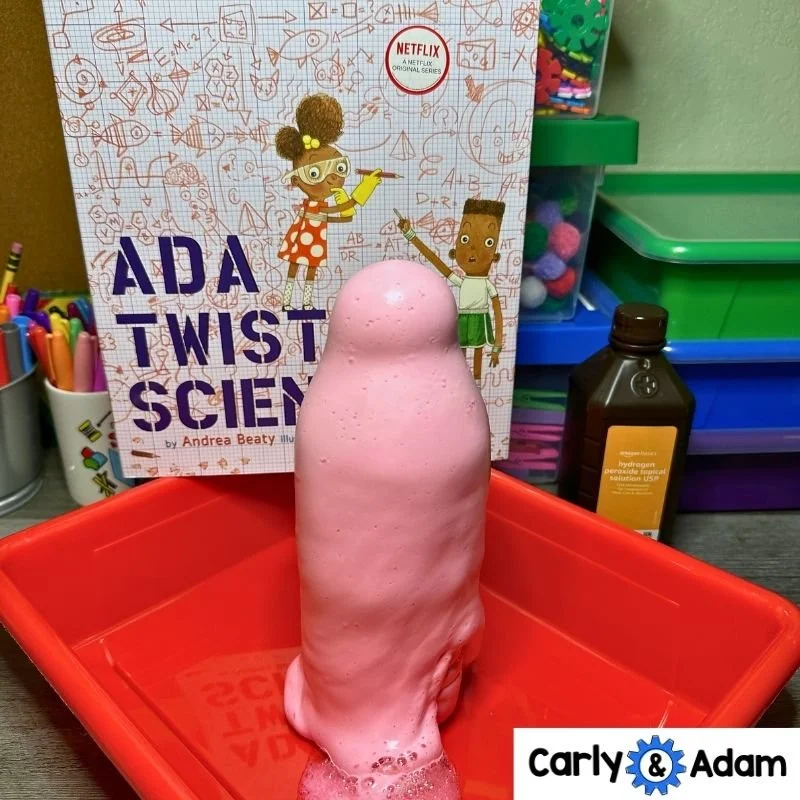
Looking for an exciting elementary chemistry experiment? This Elephant Toothpaste Science Experiment creates an incredible pink foaming reaction while teaching students about chemical changes and exothermic reactions. Pair it with Ada Twist, Scientist for an engaging read-aloud STEM activity that builds curiosity and scientific thinking.
Elephant toothpaste is a foamy substance created when yeast helps break down hydrogen peroxide. The oxygen released during the reaction becomes trapped in the dish soap, producing lots of bubbles.
This is an irreversible chemical change because new substances are formed. It is also an exothermic reaction, which means it releases heat. The bottle and foam may feel warm after the experiment.
Elephant Toothpaste Experiment Materials
Elephant Toothpaste Science Experiment by Carly and Adam
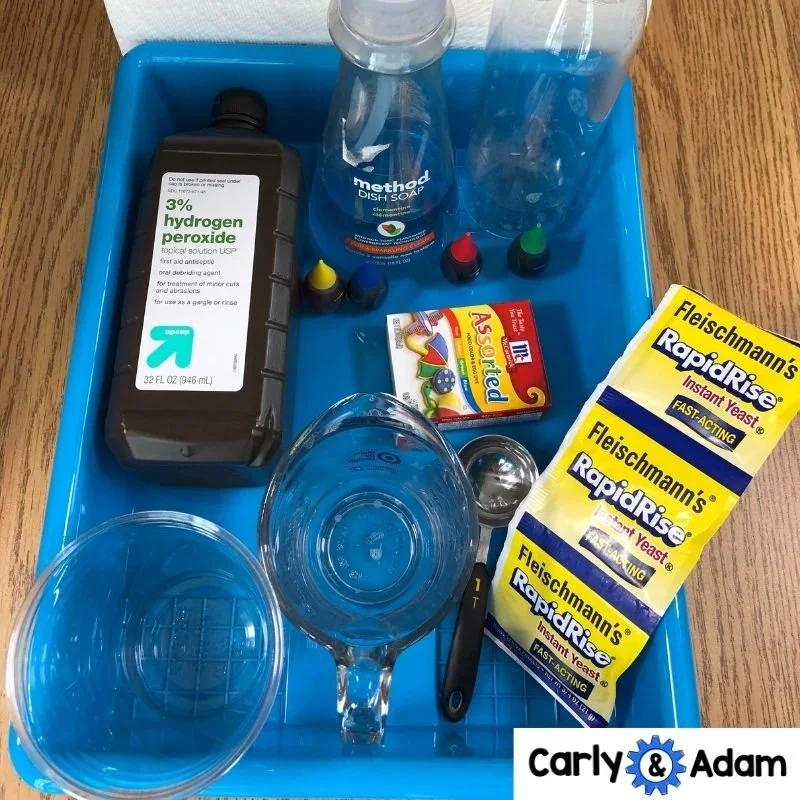
Set up an Elephant Toothpaste Science Experiment using easy-to-find materials, including 3% hydrogen peroxide, dish soap, yeast, warm water, food coloring, and an empty bottle. Students will love using these simple supplies to explore chemical reactions, test a hypothesis, and practice the scientific method in the elementary classroom.
You will need:
Empty 20-ounce water bottle or similar container
Liquid dish soap
3% hydrogen peroxide
Warm water
Six ¼-ounce packets of yeast
Small cup
Measuring cup
Tablespoon
Spoon
Tray or plastic tub
Paper towels
Food coloring, optional
Pencils and science journals
Adult supervision is required. Protect students’ eyes and skin, keep the materials away from mouths, and complete the experiment on a tray to contain the foam.
Make a Hypothesis
Elephant Toothpaste Science Experiment by Carly and Adam
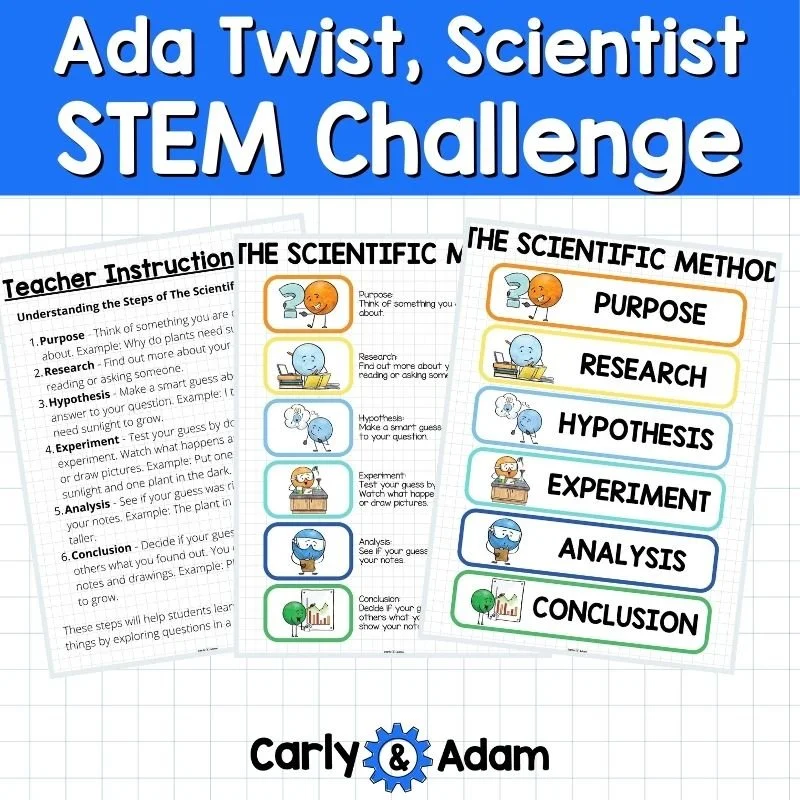
Teach the steps of the scientific method with this hands-on Ada Twist, Scientist activity! The lesson includes student-friendly resources for purpose, research, hypothesis, experiment, analysis, and conclusion. Use the printables with the Elephant Toothpaste Science Experiment to help elementary students investigate, observe, and explain a chemical reaction.
Begin by asking students this question:
Do you think adding more yeast to the elephant toothpaste experiment will create a bigger reaction?
Have students make a hypothesis before beginning. They can write their prediction in a science journal or share it with the class.
Complete the First Experiment
Elephant Toothpaste Science Experiment by Carly and Adam
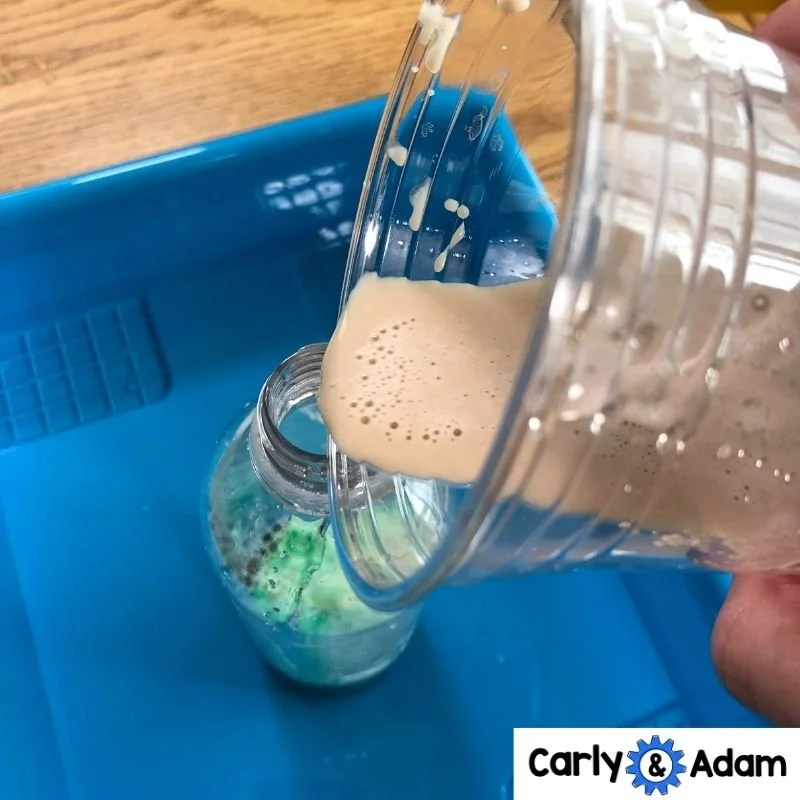
Put the scientific method into action with an Elephant Toothpaste Science Experiment! Students add a yeast mixture to hydrogen peroxide and dish soap, observe the foaming reaction, and compare how different amounts of yeast affect the results. This memorable classroom experiment makes chemical reactions meaningful and exciting for young scientists.
Place the empty bottle inside a tray or plastic tub.
Pour ½ cup of hydrogen peroxide into the bottle. Add approximately 10 drops of food coloring, if desired, followed by 1 tablespoon of liquid dish soap. Gently mix the ingredients.
In a separate cup, combine four tablespoons of warm water with two packets of yeast. Stir for approximately 30 seconds. Carefully pour the yeast mixture into the bottle and watch the reaction!
Ask students to observe the height, speed, color, temperature, and amount of foam. They can rate the size of the reaction on a scale from 1 to 10.
Change the Amount of Yeast
Repeat the Elephant Toothpaste Science Experiment using a freshly prepared bottle of hydrogen peroxide and dish soap. This time, combine eight tablespoons of warm water with four packets of yeast.
Have students watch closely and compare the second reaction with the first. Did using more yeast create a larger reaction? Was the foam produced more quickly? How were the two experiments similar or different?
Record and Analyze the Results
Elephant Toothpaste Science Experiment by Carly and Adam
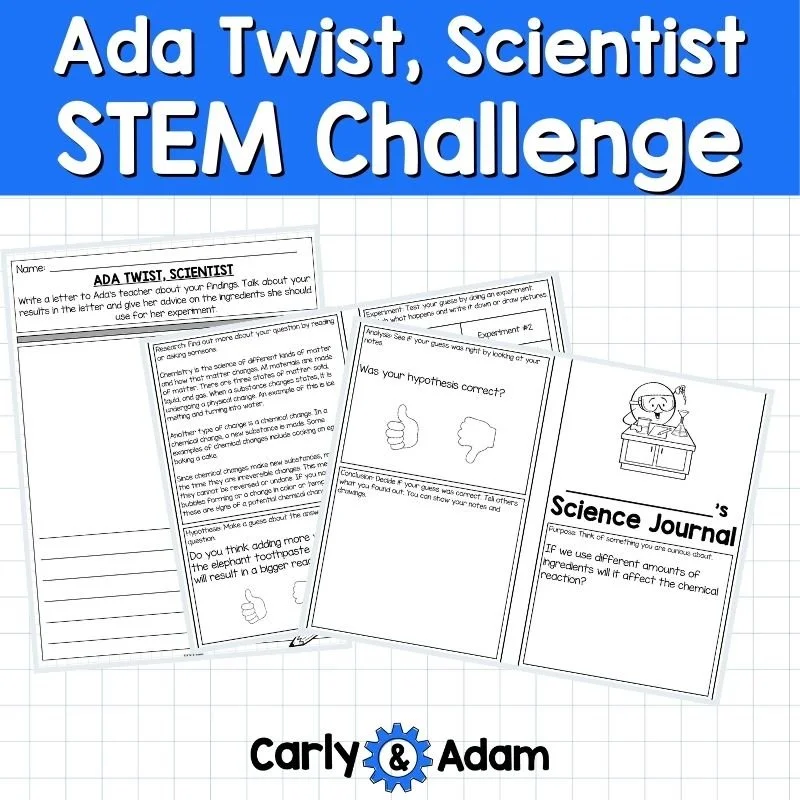
Help young scientists document their learning with this printable science journal for the Elephant Toothpaste Science Experiment. Students make a hypothesis, record observations, compare two reactions, analyze their results, and write a conclusion. It is a fun way to connect Ada Twist, Scientist with chemistry and the scientific method.
After both experiments, students can draw pictures and record their observations in a science journal.
Use questions such as:
Which experiment created the biggest reaction?
Was your hypothesis correct?
What differences did you notice?
Why do you think adding more yeast changed the reaction?
What other variable could you test?
Students will likely discover that increasing the amount of yeast creates a bigger reaction. This demonstrates how changing one ingredient can affect the results of an experiment.
Extend the Experiment
Challenge students to identify another variable they could change.
They might test the temperature of the water, the amount of dish soap, or the shape of the container. Older students can discuss the importance of changing only one variable at a time so the results can be compared fairly.
The Elephant Toothpaste Science Experiment turns chemistry into a memorable, hands-on learning experience. It is an engaging way to help elementary students practice curiosity, observation, measurement, comparison, and scientific thinking while creating a reaction they will be talking about long after science class ends.
You can find this STEM Challenge in Carly and Adam’s store and as a FREE Download for STEM Teachers Club Members.
Spend Less Time Planning and More Time Teaching!
Hands-on STEM learning starts here.
Find ready-to-use STEM Activities and Science Curriculum, Practical Professional Development, and a Community of Educators to help you teach STEM with confidence.
You can get all 1000+ STEM Challenges by Carly and Adam as part of the STEM Teachers Club. Save 30% on your first month/year using coupon Code: CarlyAndAdamBlog.