
Top 10 Read Alouds that Encourage Creativity in Elementary Students
*This blog post contains Amazon affiliate links. By clicking on the links and making a purchase, we may receive a small commission at no additional cost to you.
Why is creativity an important skill to develop in elementary students?
Creative students are better able to problem-solve and persevere through difficult challenges by thinking outside the box.
Many people have the misconception that creativity is about arts and crafts and that creative people are born with a natural artistic talent.
In reality, at the heart of creativity is the ability to problem-solve, and just like with any other skill creativity can be developed over time with practice.
One way we like to build up students’ creative stamina is through creativity challenges.
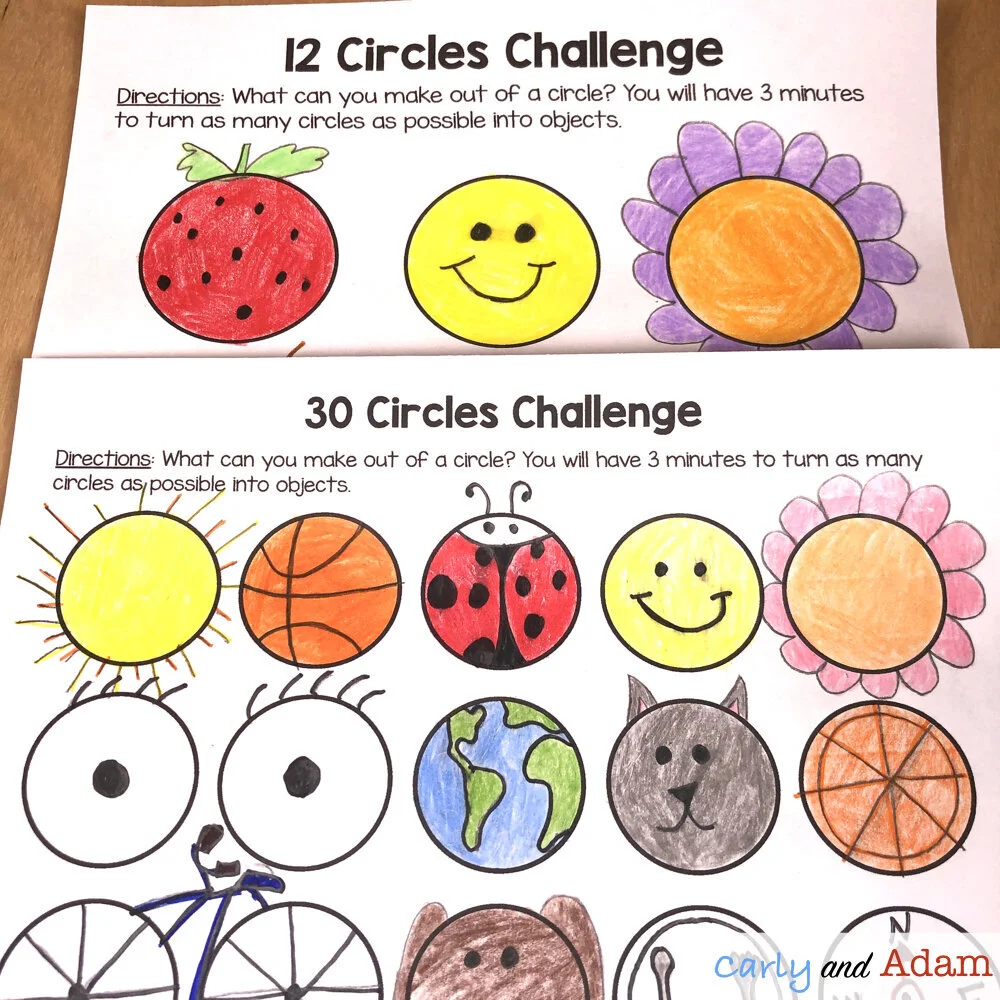
Another way to introduce creative problem-solving to students is through books. When we can connect student learning with a book we build on the skills that students are learning and strengthen the connections between literacy, problem-solving, and creativity.
The following are our top 10 children’s books to encourage creativity in elementary students:

1. The Dot by Peter H. Reynolds
This is the story of Vashti who sat in art class with a piece of paper that was completely blank. She needed to draw something and nothing was coming to mind. She had already decided she couldn’t draw at all. Your students can follow along on Vashti’s artistic journey as her art teacher encourages her to start with a little dot and go from there. Turns out, Vashti is an amazing artist and she has a talent for helping others become artists, too.

2. Ish by Peter H. Reynolds
Ish is the story of Ramon who loves to draw. Unfortunately, Ramon let the opinion of this older brother Leon change the way he felt about his art. That is until he discovered that his little sister, Marisol, had been saving all of his crumpled pages and turning them into an art gallery in her room. They work together to come up with the idea of thinking and drawing and writing “ish-ly.” Art doesn’t have to be perfect.
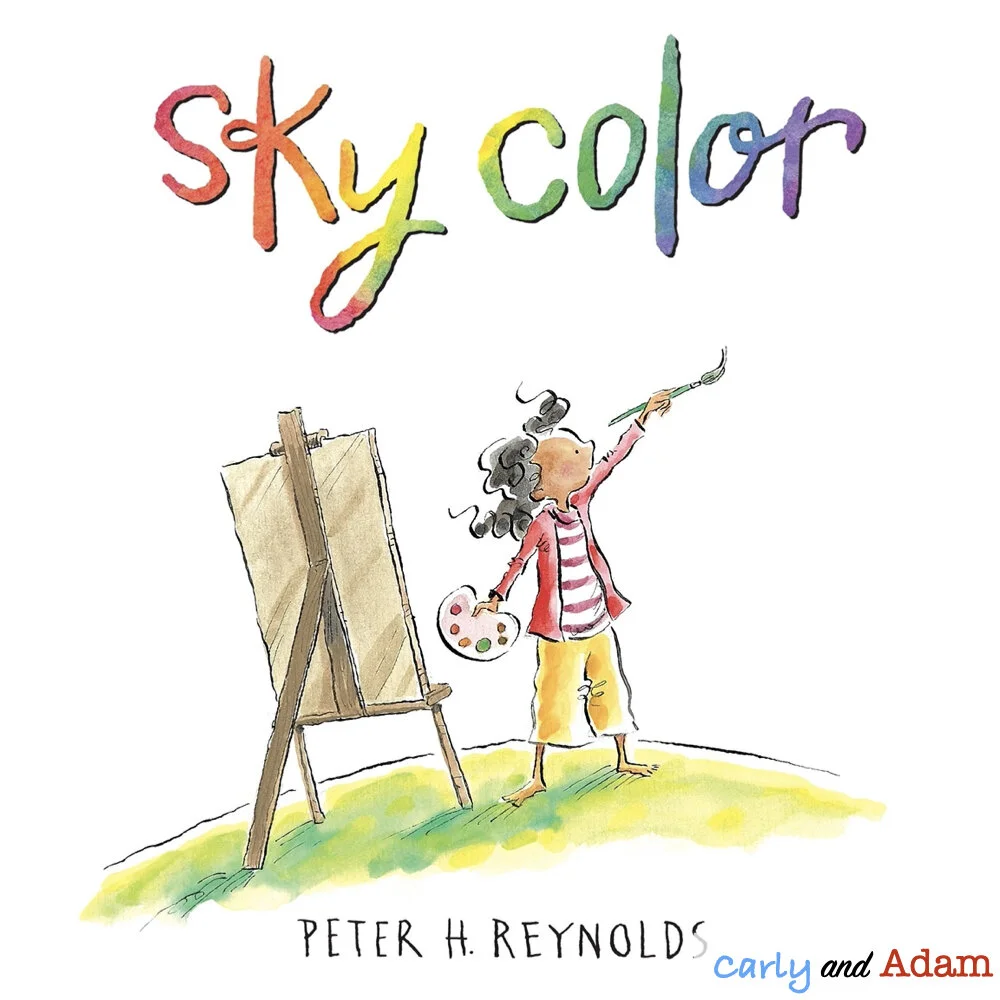
3. Sky Color by Peter H. Reynolds
Marisol is an artist through and through but she stumbles across a problem while painting a mural for the school. She volunteered to paint the sky, but there was no blue paint. She couldn’t imagine how to paint a sky without the color blue. As she looks around her environment for inspiration she actually discovers that there are many beautiful colors in the sky.
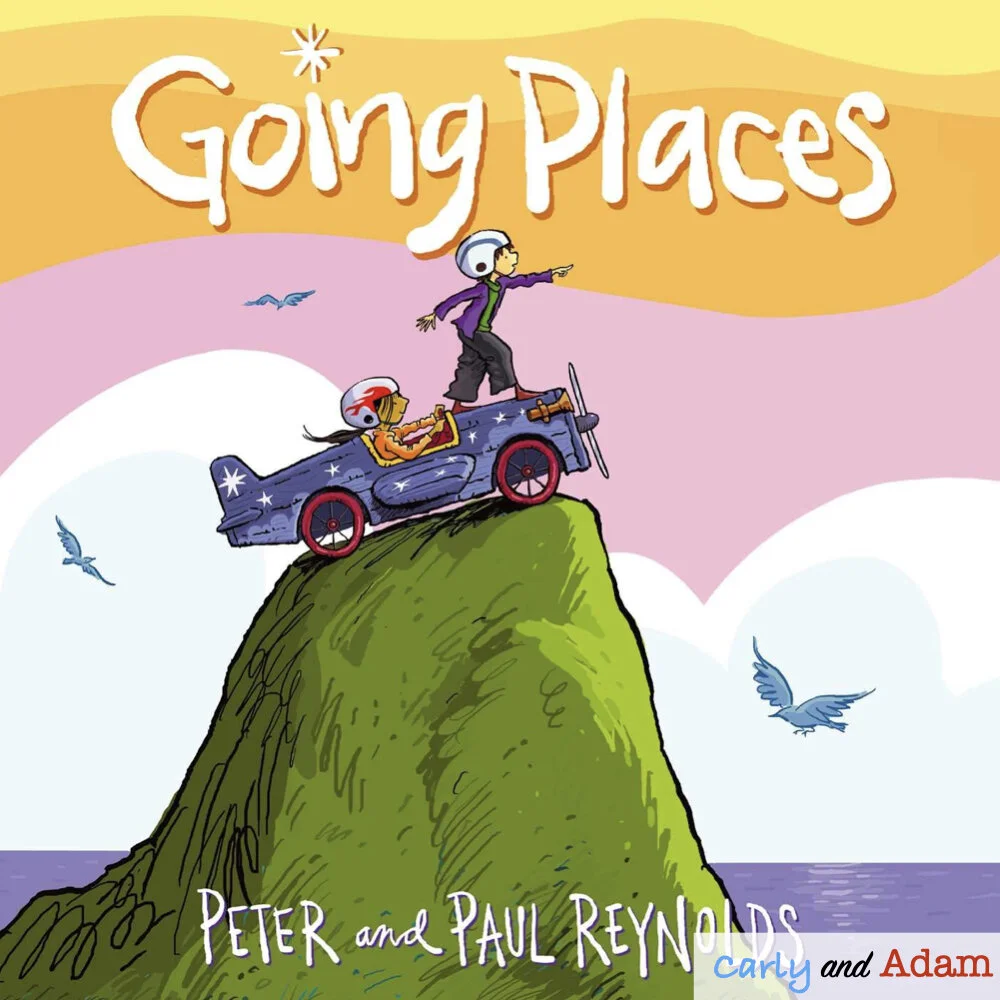
4. Going Places by Peter and Paul Reynolds
Rafael is beyond excited when he has the opportunity to build and race a go-cart. He wastes no time building his kit just like the instructions picture. When he checks on his neighbor, Maya, she isn’t following the instructions at all. Together they come up with a contraption so much better than they could have ever imagined alone.
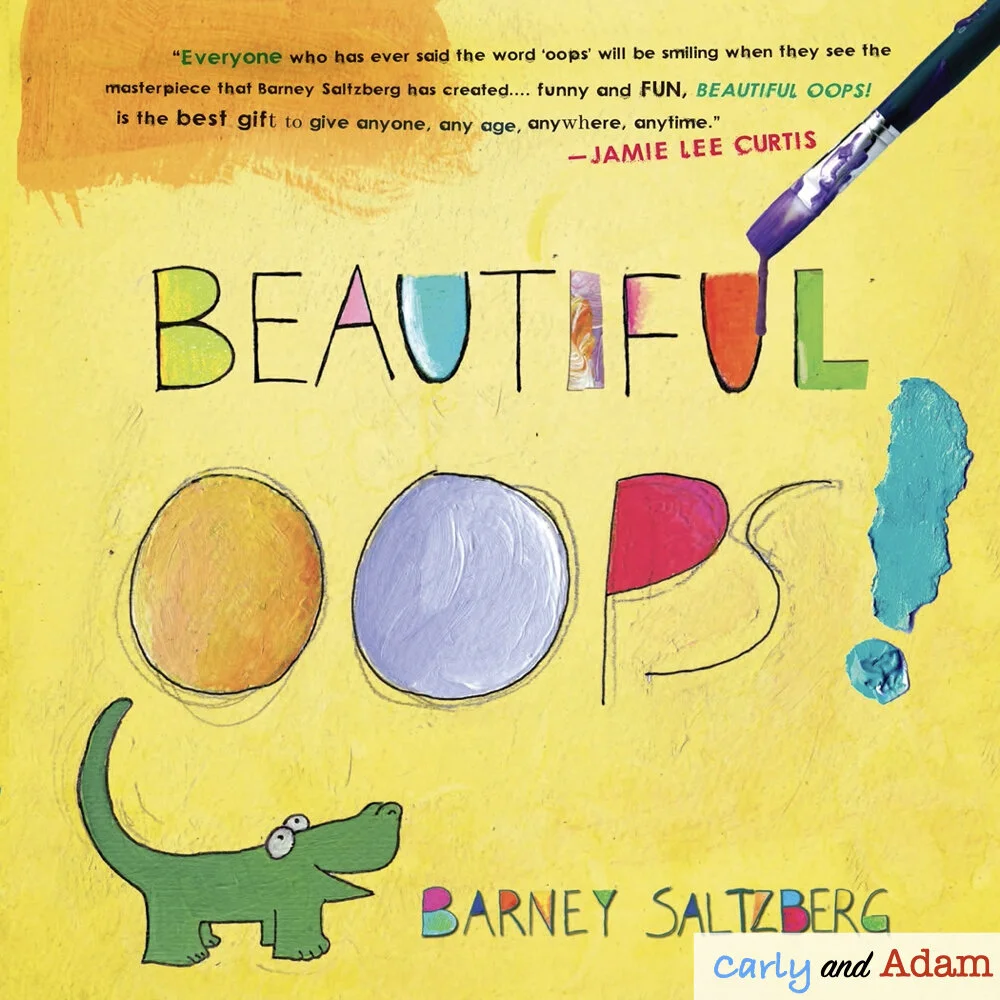
5. Beautiful Oops! by Barney Saltzberg
Beautiful Oops! is a quick and easy read that explores the possibilities of ripped paper, spilled paint, smudges, smears, and many other blemishes that might be considered a mistake. This read-aloud challenges students to look at a mistake and think of it as an opportunity to create something even better.
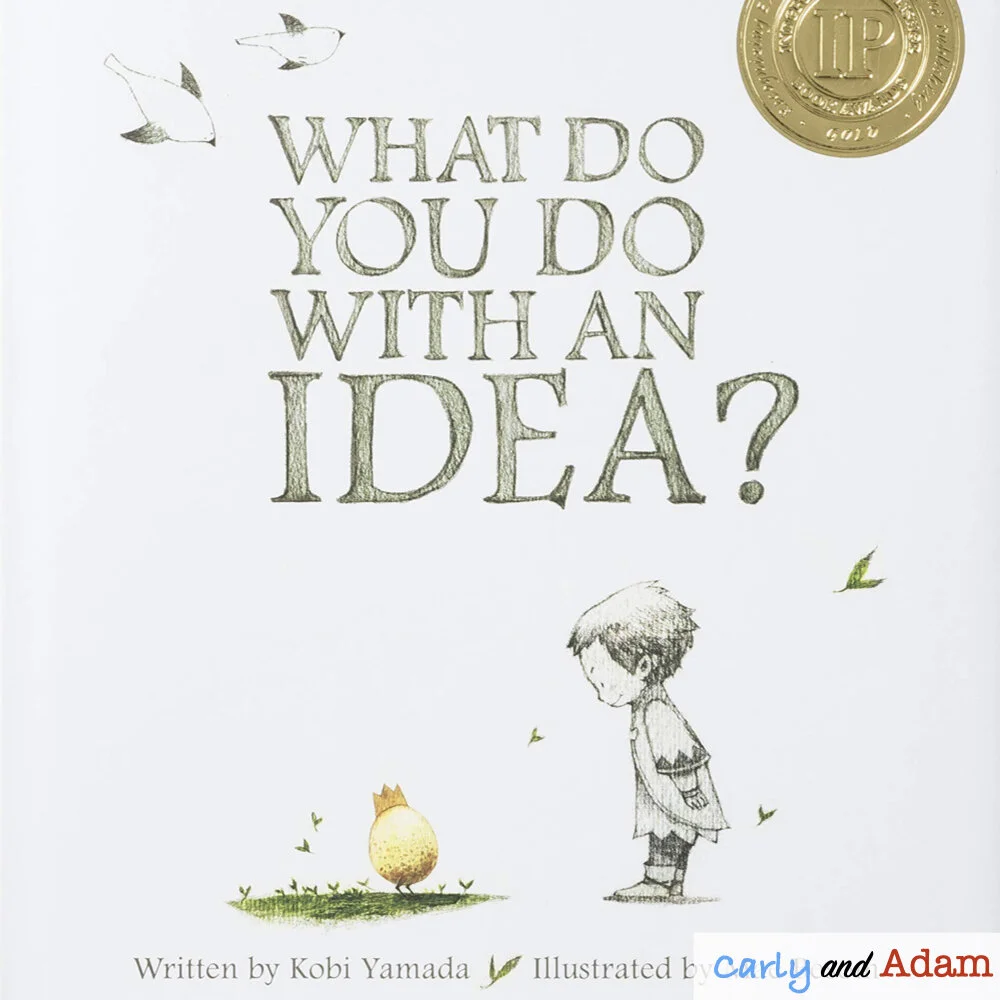
6. What Do You Do With an Idea? by Kobi Yamada
This is the story of a young boy who isn’t quite sure what to do when an idea shows up. At first, he tried to ignore it. He worried about what others would think. Eventually, he enjoyed having the idea around. The idea grew bigger and bigger. As the boy starts to take ownership of his own idea, it grows and flourishes. He soon realizes that he has a bigger responsibility to use the idea to change the world.
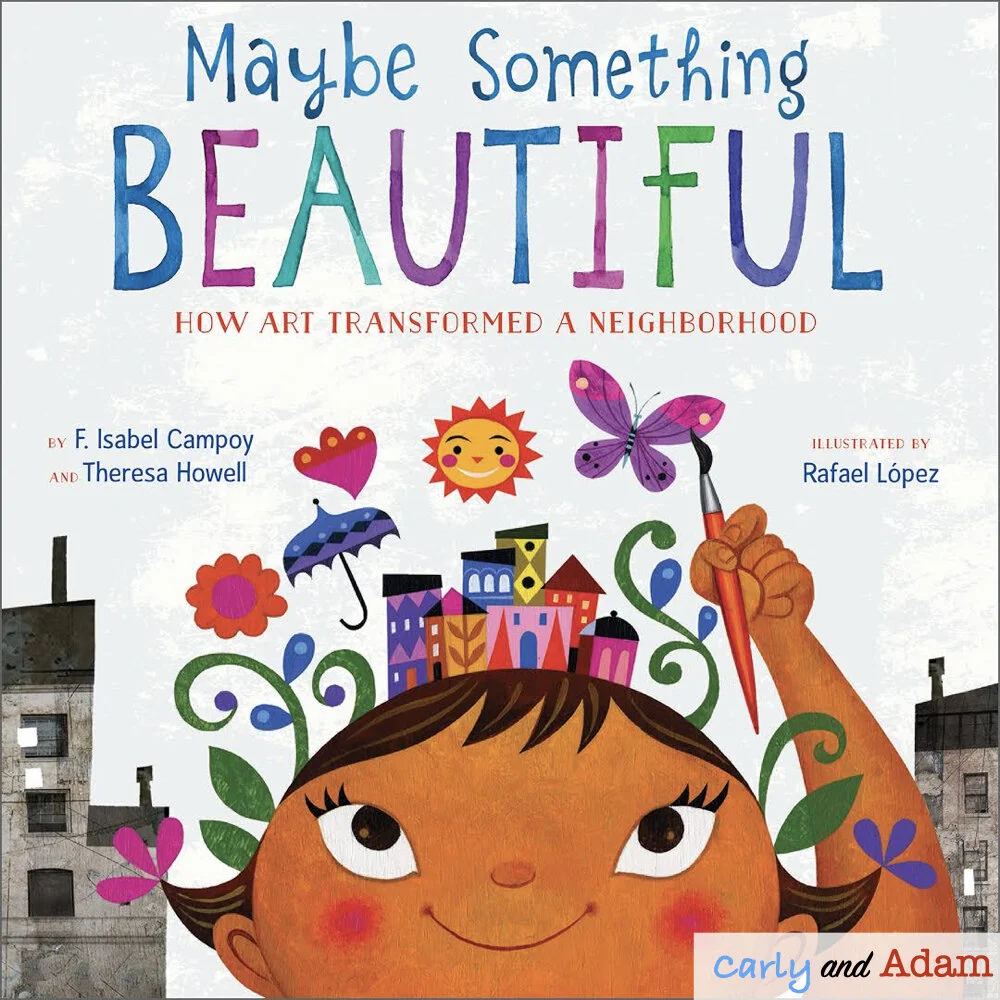
7. Maybe Something Beautiful by F. Isabel Campoy and Theresa Howell
You never know where you’ll find something beautiful. Mira lives in a big, gray city, but she uses her beautiful art to cheer up the people around her. One day she discovers an artist painting a mural on the wall. He invites her to join him and she was beyond excited to color the gray world around her. The entire neighborhood came together to bring happiness to the city through art and color.
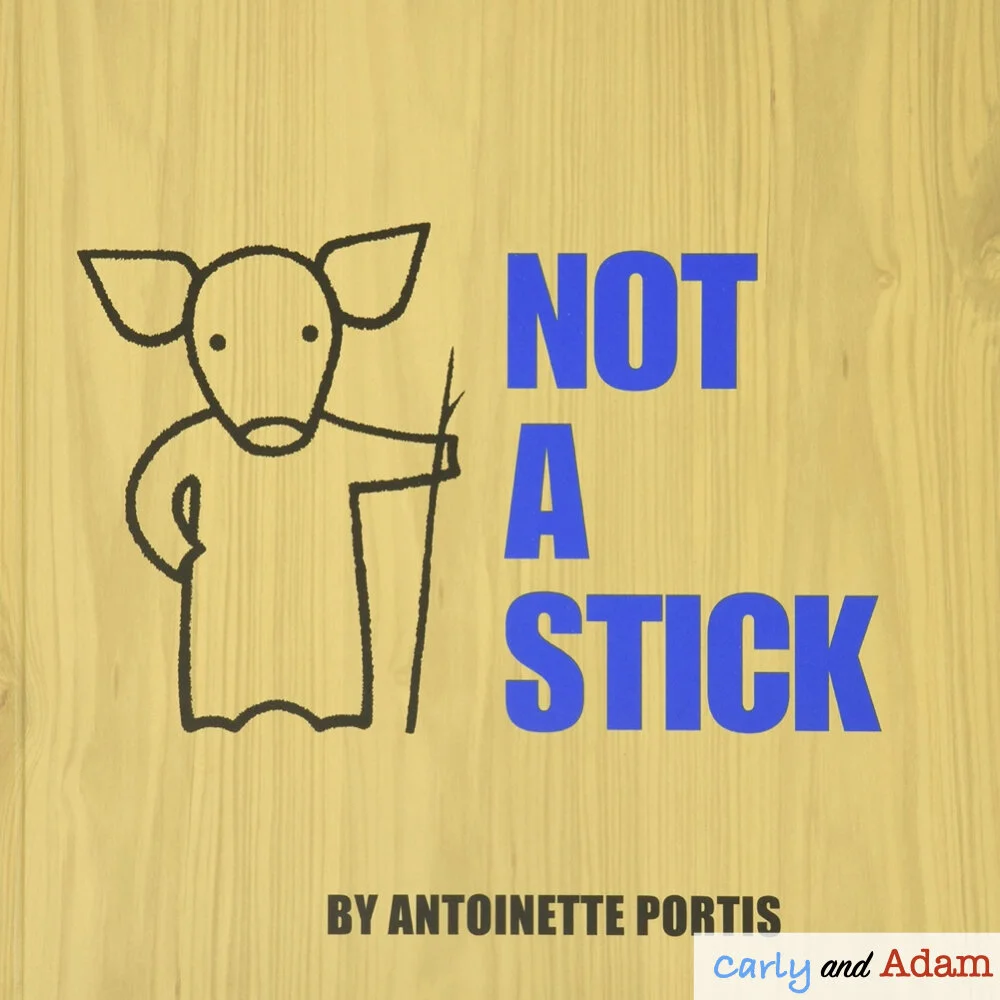
8. Not a Stick by Antoinette Portis
Not a Stick is the story of a pig with a stick, but this isn’t an ordinary stick. It’s anything and everything but a stick! It’s a fishing pole, a paintbrush, a horse, and a dragon fighting sword, but it is definitely not a stick.
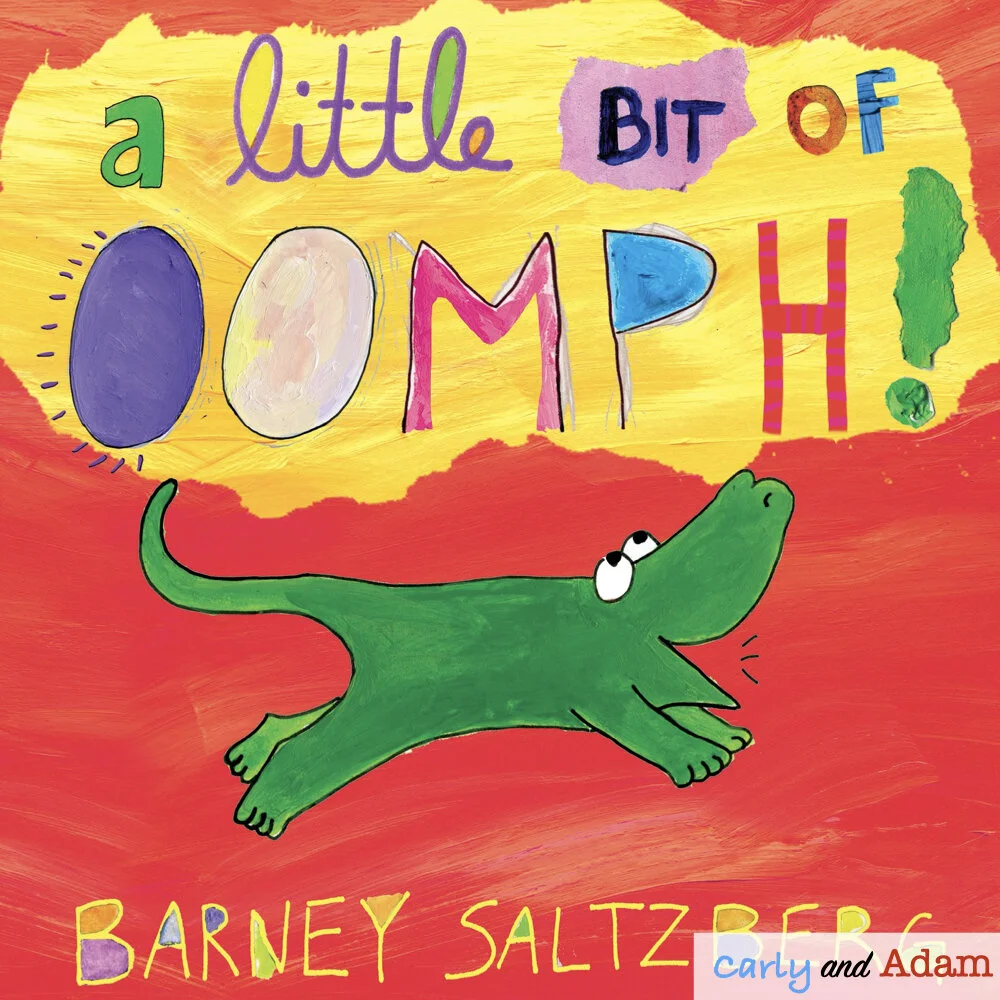
9. A Little Bit of Oomph! By Barney Saltzberg
This quick and easy read will encourage your students to look at normal, everyday things in a new, extraordinary way. This colorful story explains that everything can be beautiful with a little bit of oomph.
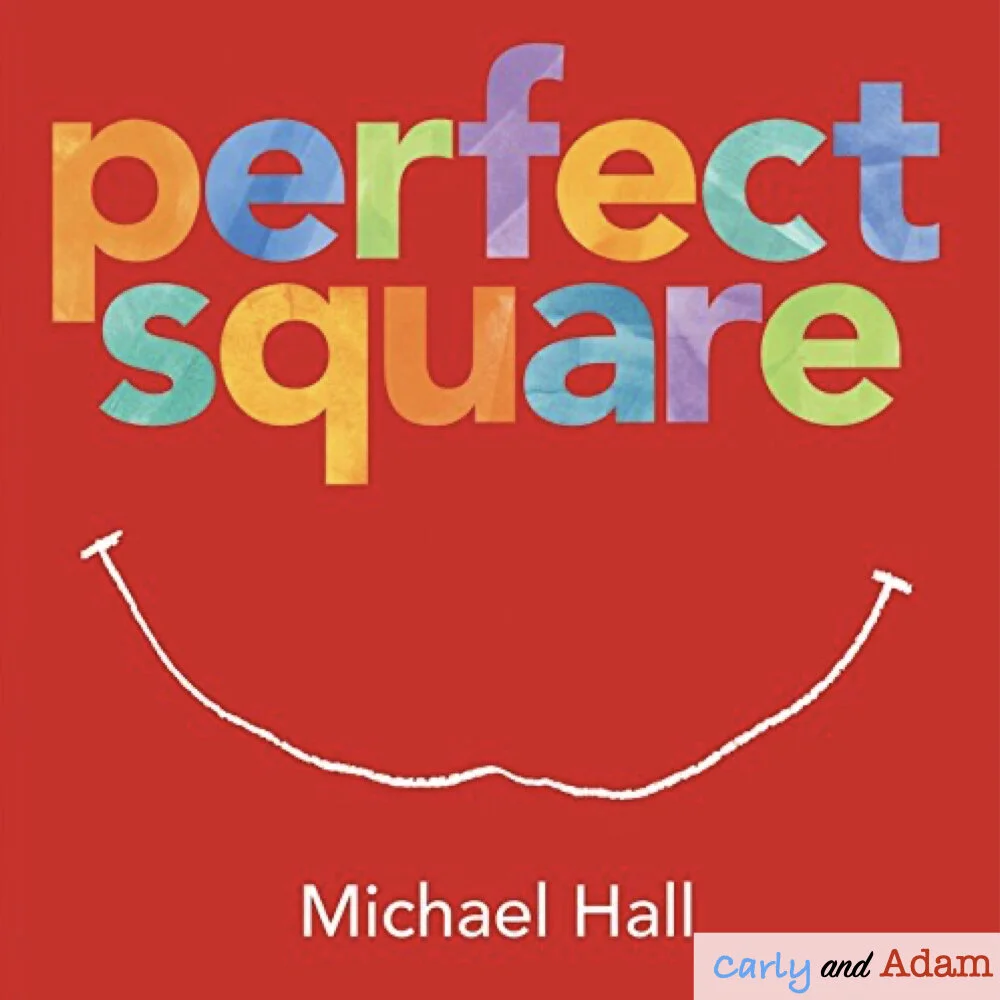
10. Perfect Square by Michael Hall
Perfect Square is the story of an ordinary and perfect square that continues to reinvent itself into many new creations as it gets ripped, torn, cut, and poked full of holes. The square is able to turn itself into so many new creations that it finds being a regular square a bit boring.
Opportunities for Creativity
There are endless opportunities to foster creativity and imagination in our classrooms through read alouds and STEM activities. Remember that creative kids are problem solvers. By sharing read alouds about creativity with students and implementing creativity challenges students are able to build creative stamina.
Want more resources to encourage creativity in your students?
Check out our bundle of creativity challenges!

Want more info and resources on creativity? Get full access to this creativity bundle and all of our future creativity STEM challenges when you join the STEM Teachers Club Membership (best value)!

Spend Less Time Planning and More Time Teaching!
Hands-on STEM learning starts here.
Find ready-to-use STEM Activities and Science Curriculum, Practical Professional Development, and a Community of Educators to help you teach STEM with confidence.
You can get all 1000+ STEM Challenges by Carly and Adam as part of the STEM Teachers Club. Save 30% on your first month/year using coupon Code: CarlyAndAdamBlog.