How to Start a STEM Library
The following is a guest post from Dr. Jacie Maslyk.
*This blog post contains Amazon affiliate links. By clicking on the links and making a purchase, we may receive a small commission at no additional cost to you.
What is a STEM library?
A STEM library is a collection of children’s books that support STEM content and foster student thinking, design, and exploration. These may be books that are used for classroom read alouds, in learning centers, or ones that students can read on their own. Building these resources in your school or classroom can increase student engagement in both the language arts and the STEM content. Adding read alouds to your STEM learning can offer many benefits including sparking creativity, promoting more reading, and building student understanding.
Why is a STEM library important?
Kids love the story Inky's Amazing Escape: How a Very Smart Octopus Found His Way Home. The brightly illustrated book engages students as they learn about octopuses and other undersea creatures. They gain empathy when Inky is captured in the lobster trap and they root for him when he attempts to escape the aquarium.
The story of Inky provides knowledge in science through the exploration of the ocean. It also provides a glimpse into different STEM-related jobs (fisherman, marine biologist, zoo/aquarium workers). The story can also offer an opportunity for students to engage in hands-on STEM learning after they read the book.
After reading the story students can extend their STEM learning by:
-designing a lobster trap
-planning for a class fish tank
-or constructing a model of a coral reef
This story (and so many others) can support STEM learning in a variety of ways. Obtaining a few STEM read alouds is your first step in starting your STEM library.

Access to quality reading materials is critical for every child to develop and grow as a reader. Whether you are a classroom teacher, STEM teacher, or a librarian, adding books that focus on science, technology, engineering, and math will create connections across subject areas and deepen student understanding.
STEM read aloud selections can also develop other skills and dispositions in our students like flexibility, perseverance, and cooperation. Take a look at these STEM and SEL Read Alouds to support both academic growth and emotional wellness.
How to Start a STEM Library
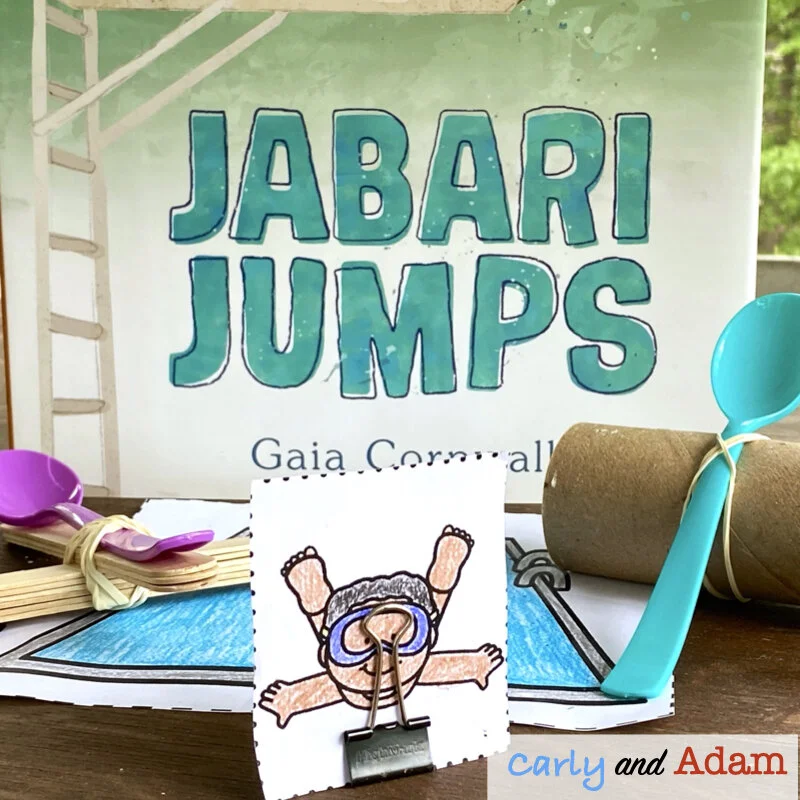
Start small. Look through the books that you already have and pull out ones that are connected to science, technology, engineering, and math. Think about STEM-related topics like weather, plants, animals, or machines. These may be some of your first additions to your STEM library. Begin using those as your classroom read alouds or add them to a learning center where students can read them on their own. (You can even add some manipulatives so that students can design, build, and experiment after exploring the books.)
Books on a Budget
Don’t have much of a book budget? There are lots of ways to find books without spending a ton of money. Be on the lookout for book sales. Online publishers offer a $1 sale every few months, which is a great time to stock up on books. Local public libraries also have book sales. (I’ve been able to grab some great used books for as low as 25 cents!) Don’t forget yard sales as another way to pick up used books to add to your STEM library.
If you don’t have a budget at all, hit up the public library. Librarians can be a great resource to suggest STEM books. You might also plan a book drive. Ask parents and community members to donate books to your classroom. Sometimes your school book fair can also be set up to allocate book donations directly to your classroom. You might suggest topics or accept any donations of any type.
Lots of teachers have discovered the benefits of Donors Choose and #ClearTheLists. These are other ways that you can get support for your STEM library. Posting your projects or lists allows people to see ways that they can donate to help your students. Lastly, be on the lookout for grants. Even if you are writing a grant for technology or STEM equipment, always include some funding for books.

Ready to Build Your Library?
There are so many great STEM books, it is hard to just recommend a few. Here are some with links to simple STEM activities that are connected to each book.
The Most Magnificent Thing is a great book to add to your STEM library. With a focus on the engineering design process and persevering through challenges, the story is the perfect way to start the STEM conversation in your classroom.
One Plastic Bag can be connected to the environment, sustainability, and the importance of recycling.
Mr. Ferris and His Wheel provides some history about the invention of the Ferris Wheel, prompting students to build one of their own.
Mae Among the Stars is the story of Mae Jemison, the first African American female in space. Students will be asked to design and build rockets after reading this story.
Need more book ideas?

Need more book ideas? Download our FREE Read Aloud STEM Catalog!
When we connect children’s literature to hands-on learning, not only do we see a rise in student engagement but also in student understanding. We can incorporate a read-aloud to introduce a science concept or align a story to an engineering design challenge.
You can continue to build your STEM library over time. You don’t need to have hundreds of books right away. You might even consider partnering with other teachers in your grade level or on your team and share books with one another. In time, your library will grow. Surrounding your students with quality STEM books will help them to continue to thrive in their literacy skills and their STEM skills, too!
Have more questions or need additional resources?
Download our Free Read Aloud STEM Catalog with monthly book recommendations.
Join our Free Facebook Group.
Check out Remaking Literacy: Innovative Instructional Strategies for Maker Learning for different ways to connect STEM and great children’s books.
Want done for you monthly STEM Challenges connected to Read Alouds? Check out our Read Aloud STEM Challenges!

Join our FREE Facebook group Elementary STEM Teachers with Carly and Adam! Learn more about how to incorporate STEM in your classroom or at home and collaborate with other STEM teachers! JOIN NOW!
We hope you have found this blog post helpful. To stay connected with Carly and Adam's teaching tips and classroom freebies be sure to follow us on Facebook, Pinterest, Teachers Pay Teachers, and subscribe to our blog!