STEM Classroom Decor
Creating an engaging and inspiring STEM classroom environment is key to fostering creativity, collaboration, and a love for learning. Here’s a guide on how to utilize various decor items in your STEM classroom to create a vibrant and functional space for young learners.
Must Have Decor Items for Your STEM Classroom
Engineering Design Process Poster Set
Team Tub Labels
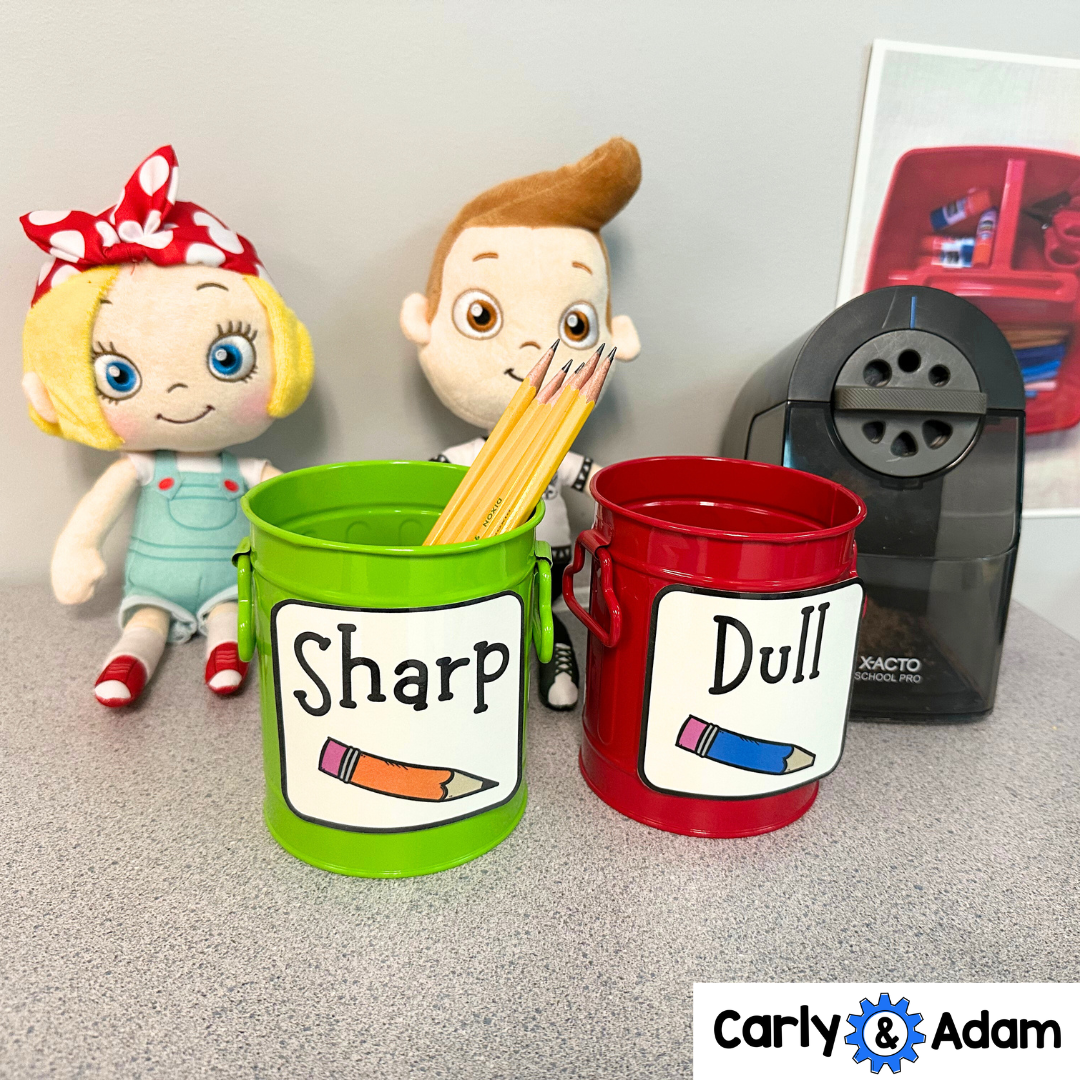
Pencil Cup Labels
Hanging Team Numbers
Grade Level Labels
Class Schedule and Classroom Rules Posters

1. Engineering Design Process Poster Set
The engineering design process is a systematic approach to problem-solving that involves several iterative steps: asking questions to define the problem, imagining possible solutions, planning the best approach, creating prototypes, testing and evaluating the results, improving the design based on feedback, and sharing the outcomes.
This process is crucial in STEM education because it fosters critical thinking, creativity, and collaboration among students. Teaching the engineering design process helps students develop a mindset of innovation and resilience, equipping them with the skills to tackle real-world challenges.
How to Use:
Display Prominently: Place these posters in a high-visibility area where students can easily refer to them during projects. This helps reinforce the steps of the design process.
Interactive Elements: Add Velcro or magnets to the back of the posters so students can move the steps around during different phases of their projects.
Incorporate into Lessons: Regularly reference these posters during instruction to integrate the engineering design process into daily activities.

2. Team Tub Labels
Team tubs and labels play a vital role in organizing materials for small group activities in STEM classrooms, fostering an environment where collaboration and teamwork are paramount.
Working together in small groups allows students to engage in hands-on, inquiry-based learning, promoting essential 21st-century skills such as communication, critical thinking, creativity, and problem-solving. These team tubs and labels help streamline the process by ensuring each group has easy access to the tools and materials they need, minimizing downtime and maximizing productive engagement.
How to Use:
Organized Storage: Use these labels on caddies to organize materials for each team. This promotes responsibility and helps students quickly find what they need.
Color Coding: Assign a different color to each team’s tub to make it easier for students to identify their materials.
Rotation System: Rotate the contents of the tubs based on the current project phase to keep things fresh and relevant.
3. Pencil Cup Labels
Pencil cup labels are a simple yet effective organizational tool in the STEM classroom, ensuring that students have quick and easy access to writing utensils. These labels help maintain an orderly workspace, reducing clutter and allowing students to focus more on their projects and less on searching for materials.
How to Use:
Station Setup: Create labeled pencil cups for sharp and dull pencils. Create a classroom routine where students place pencils that need sharpened in the dull cup and grab a new pencil from the sharp cup.
Rotating Responsibility: Implement a rotating system where students take turns being responsible for checking and refilling the pencil cups as needed. This not only ensures that supplies are always available but also teaches students about responsibility and teamwork as they manage and maintain classroom resources together.

4. Hanging Team Numbers
Hanging team numbers are an essential component for organizing and managing small group activities in the STEM classroom. These numbers, displayed prominently above team tables or on storage bins, help students quickly locate their designated work areas, fostering a sense of order and structure.
How to Use:
Team Identification: Hang these numbers above team tables or on team storage bins to help students quickly find their designated work areas.
Easy Changes: Use magnetic hooks so the numbers can be easily moved if team arrangements change.
Incentives: Use the team numbers to manage classroom behavior and responsibilities, offering rewards to teams that work well together.
5. Grade Level Labels
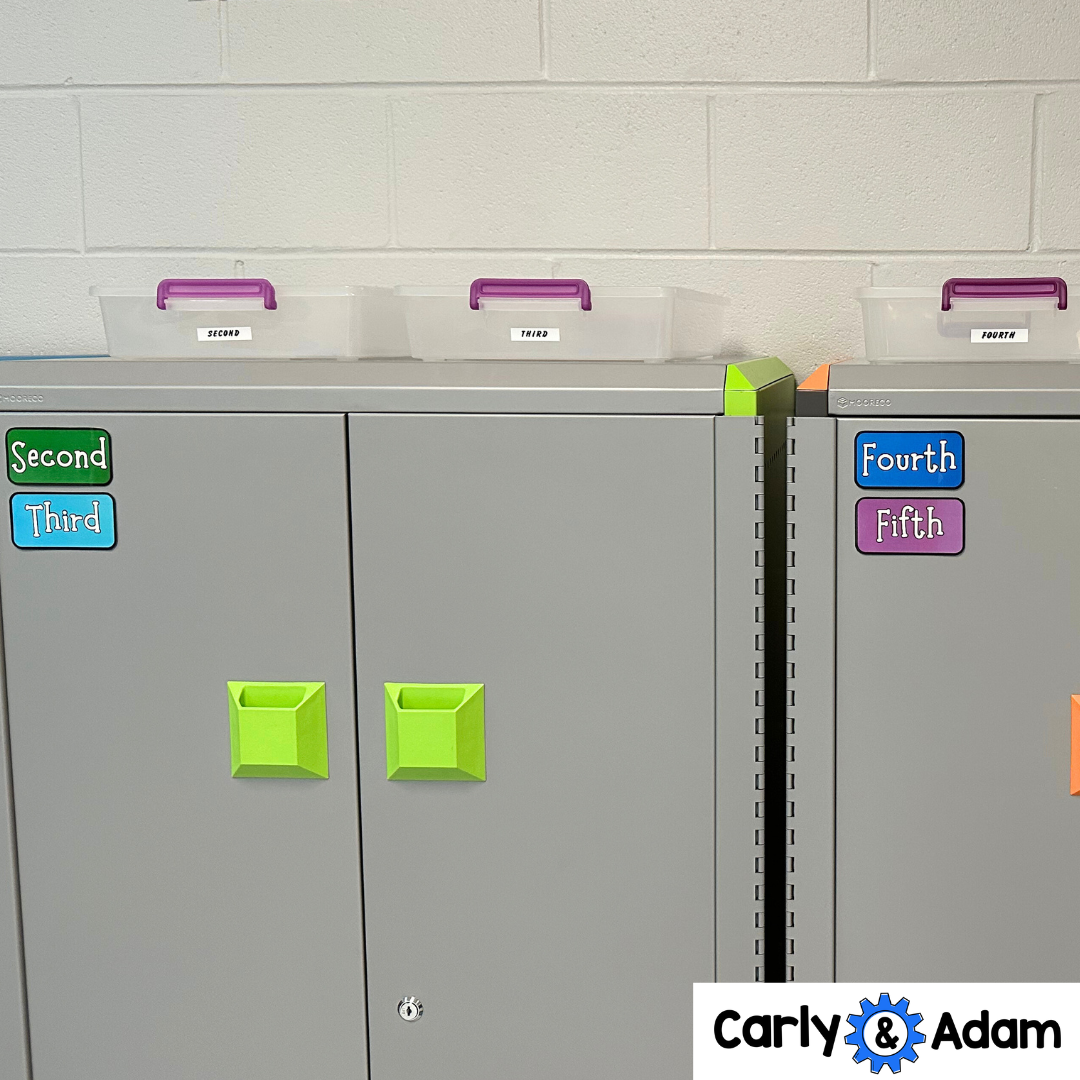
Grade level labels are an excellent tool for organizing and designating storage areas for different classes within a STEM classroom. By clearly marking storage bins, shelves, or cabinets with these labels, teachers can create a structured environment where materials and resources are easily accessible to students based on their grade level.
How to Use:
Project Identification: Place these labels on the cabinet door or wall to clearly identify project storage for different grade levels.
Student Recognition: Use these labels in combination with student work displays to celebrate grade-level achievements.

6. Class Schedule and Classroom Rules Posters
The class schedule and rules templates included in the STEM classroom decor pack are versatile and essential tools for maintaining an organized and efficient learning environment. The editable format allows teachers to customize the schedule and rules to fit the unique needs and routines of their classroom.
How to Use:
Rule Reinforcement: Display these posters prominently to remind students of classroom expectations.
Interactive Discussions: Refer to these rules during class discussions to reinforce positive behavior.
Visual Reminders: Use the schedule and rules posters to help students keep track of the activities for the day as well as the classroom expectations.

Have more questions or need additional resources?
You can get all 500+ STEM Challenges by Carly and Adam as part of the STEM Teachers Club Membership. Save $5 on your first month using coupon Code: CarlyAndAdamBlog.
We hope you have found this blog post helpful. To stay connected with Carly and Adam's teaching tips and classroom freebies be sure to follow us on Facebook, Pinterest, Teachers Pay Teachers, and subscribe to our blog!