
How to Choose a STEM Curriculum
Choosing the right STEM curriculum for your classroom or school can be a daunting task. With the rise of STEM education, teachers are flooded with countless options, each promising to be the perfect solution.
Here are some tips for making sure you select a STEM curriculum that will meet the needs of your teachers and students.

Choosing the right STEM curriculum involves careful consideration and evaluation. Here’s a list of questions that teachers and school administrators should ask themselves to ensure they select the best curriculum for their needs:
10 Questions to Consider When Selecting a STEM Curriculum:
Does the curriculum align with national and state standards?
Is the content age-appropriate and suitable for the students' grade levels?
Does the curriculum offer a balance between theoretical knowledge and hands-on activities?
Can the curriculum be easily adapted to fit the unique needs of my classroom?
Is the content customizable to integrate with existing school programs and schedules?
Does the curriculum provider offer ongoing professional development and training for teachers?
Are there opportunities for teachers to collaborate and share best practices within a community of educators?
Are the materials provided cost-effective and sustainable for the long term?
What is the total cost of the curriculum, including any required materials or subscriptions?
Are there any additional costs for professional development, updates, or supplementary materials?
By carefully considering these questions, teachers and school administrators can make a more informed decision when selecting a STEM curriculum that best meets the needs of their students and educational goals.
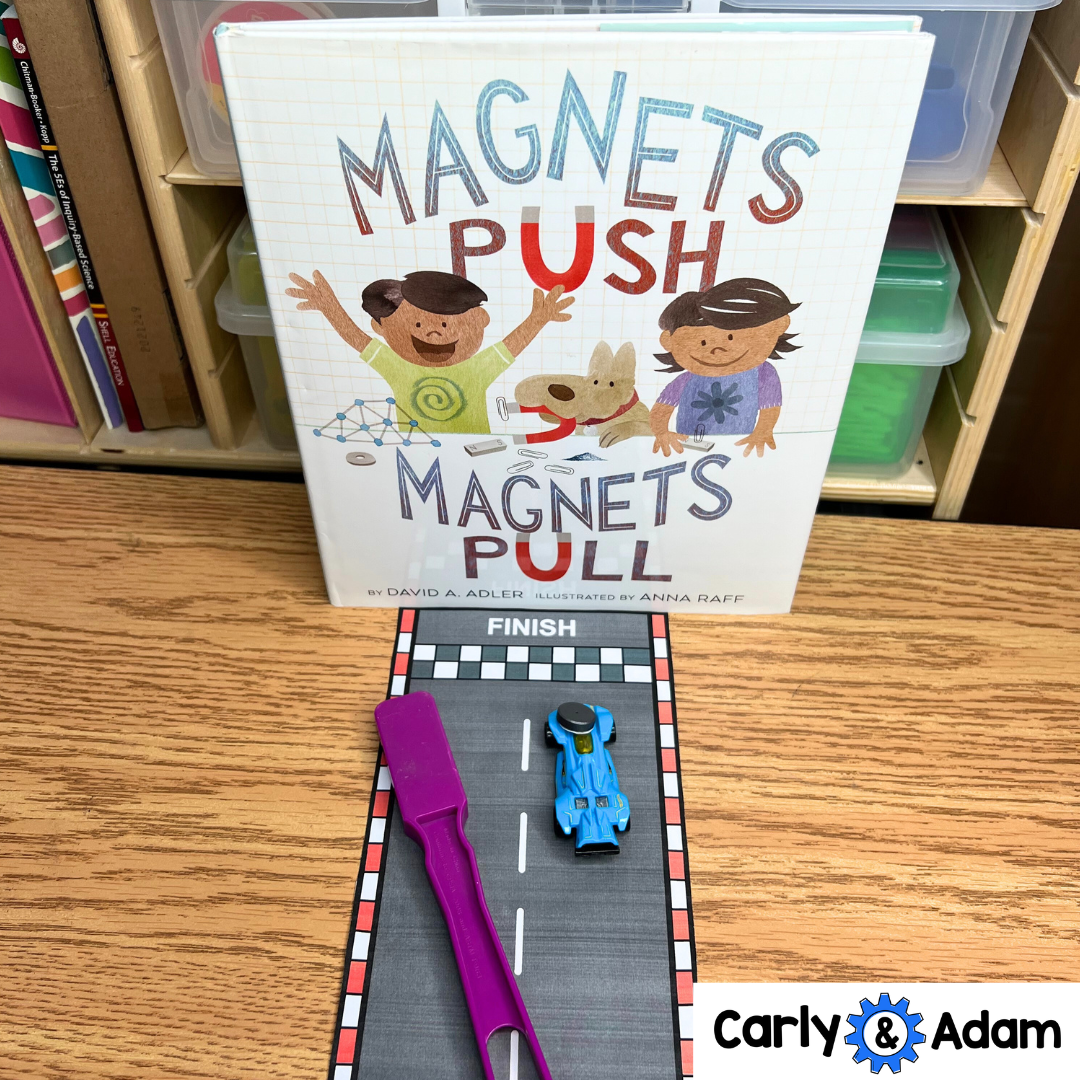
1.) Comprehensive and Flexible Resources
One of the standout features of the STEM Teachers Club Membership is its extensive library of resources. When selecting a STEM curriculum, it’s essential to have access to diverse materials that cater to various learning styles and educational needs.
The membership offers lesson plans, activities, and project ideas that are easily adaptable to different grade levels and abilities. This flexibility ensures that you can tailor your curriculum to meet the specific needs of your students, whether they are beginners or advanced learners.
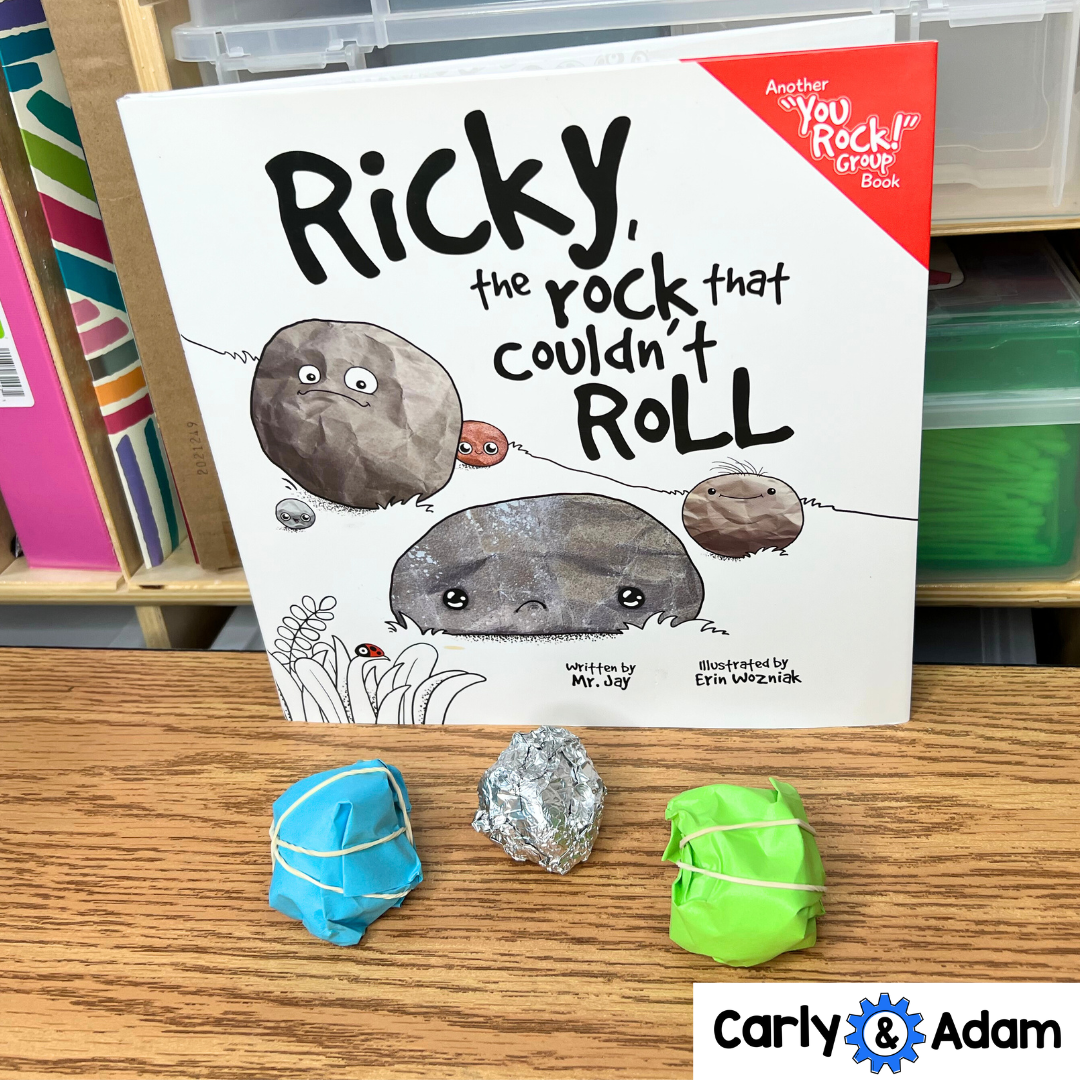
2.) Ongoing Professional Development
A key element in any effective STEM curriculum is continuous professional development. The STEM Teachers Club Membership excels in this area by providing regular training sessions, webinars, and workshops. These opportunities allow teachers to stay updated with the latest STEM education trends and teaching strategies. The best part is that there is no additional cost for these trainings. Everything is included in the membership!
When choosing a curriculum, consider one that not only includes resources but also invests in your growth as an educator. This ongoing support will help you implement the curriculum effectively and keep your teaching skills sharp.

3.) Community and Collaboration
Teaching STEM can sometimes feel isolating, but it doesn’t have to be. The STEM Teachers Club Membership fosters a strong community of like-minded educators who share ideas, challenges, and successes. When choosing a STEM curriculum, look for one that includes access to a supportive network. Being part of a community allows you to collaborate, get feedback, and gain inspiration from other educators. This collaborative environment can enhance your teaching experience and improve student outcomes.

4.) Emphasis on Hands-On Learning
STEM education is most effective when it’s hands-on. The STEM Teachers Club Membership emphasizes experiential learning with activities and challenges that encourage students to build, experiment, and explore. When evaluating a STEM curriculum, prioritize those that provide ample opportunities for students to engage in hands-on projects. This approach not only makes learning more engaging but also helps students develop critical thinking and problem-solving skills.

5.) Alignment with Standards
Ensuring that your STEM curriculum aligns with educational standards is crucial for maintaining consistency and meeting educational goals. The resources provided by the STEM Teachers Club Membership are designed to align with national and state standards, making it easier for you to integrate them into your existing curriculum. When selecting a STEM curriculum, verify that it meets the required standards to ensure your students receive a quality education that prepares them for future academic and career success.

6.) Customizable and Diverse Content
The ability to customize content to fit your classroom’s unique needs is a significant advantage. The STEM Teachers Club Membership offers a variety of topics and themes that can be mixed and matched to create a personalized curriculum. This customization ensures that you can address your students' interests and needs, making learning more relevant and engaging.
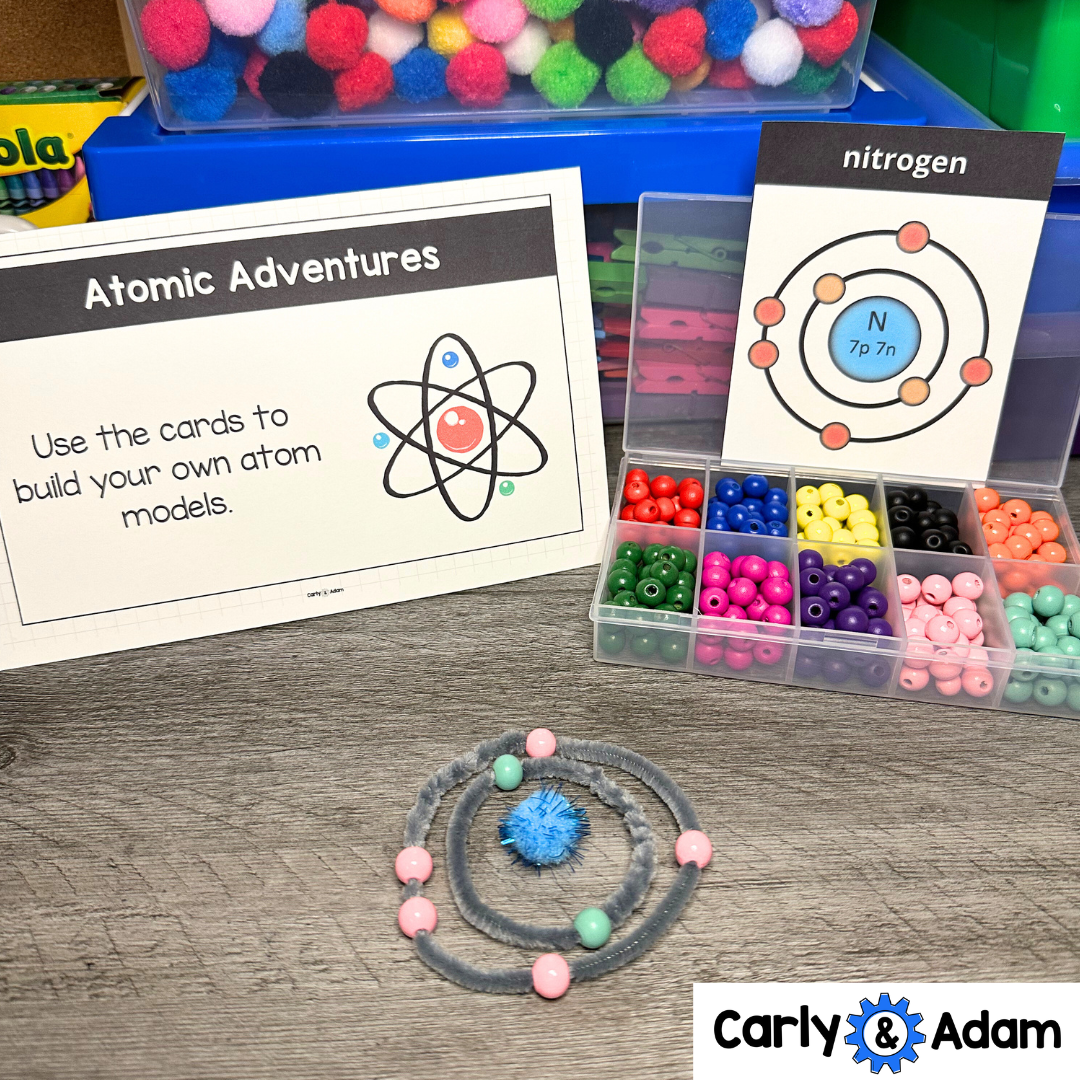
Choosing the right STEM curriculum involves more than just picking a set of lessons. It requires finding a program that supports your professional development, fosters a collaborative community, emphasizes hands-on learning, aligns with standards, and offers flexible, customizable resources.
The STEM Teachers Club Membership embodies all these strengths, making it an excellent choice for educators looking to implement an effective and engaging STEM curriculum. By leveraging the resources and support provided by the membership, you can create a dynamic and successful STEM learning environment for your students.

Email info@carlyandadamblog.com for a purchase order.
Have more questions or need additional resources?
You can get all 500+ STEM Challenges by Carly and Adam as part of the STEM Teachers Club Membership. Save $5 on your first month using coupon Code: CarlyAndAdamBlog.
We hope you have found this blog post helpful. To stay connected with Carly and Adam's teaching tips and classroom freebies be sure to follow us on Facebook, Pinterest, Teachers Pay Teachers, and subscribe to our blog!