
Fine Motor Skills STEM Activities and Challenges
Integrating STEM education in early learning is essential for fostering creativity, problem-solving skills, and a love for science and technology. Fine motor skills play a crucial role in helping students navigate and succeed in STEM challenges. Here are 13 fine motor skills that students can develop using STEM Skills Centers to ensure their success in these challenges.

13 Fine Motor Skills to Set Students Up for Success with STEM
Hole Punching
Tracing
Symmetry Cutting
Cutting and Gluing
Lacing
Stacking
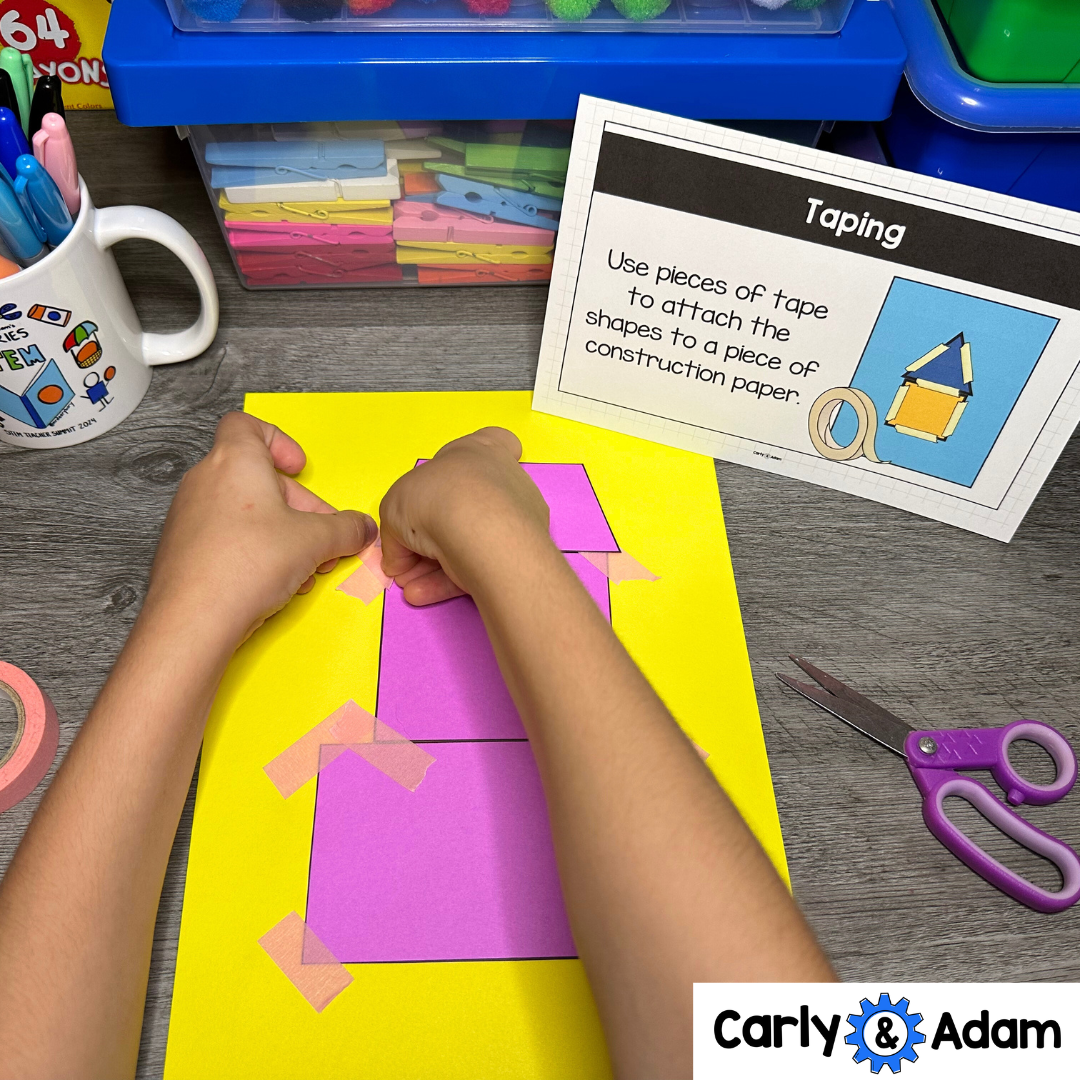
Taping
Geoboards
Pattern Stacking
Play Dough Sculpting
Shoe Tying
Line Formation
Cutting
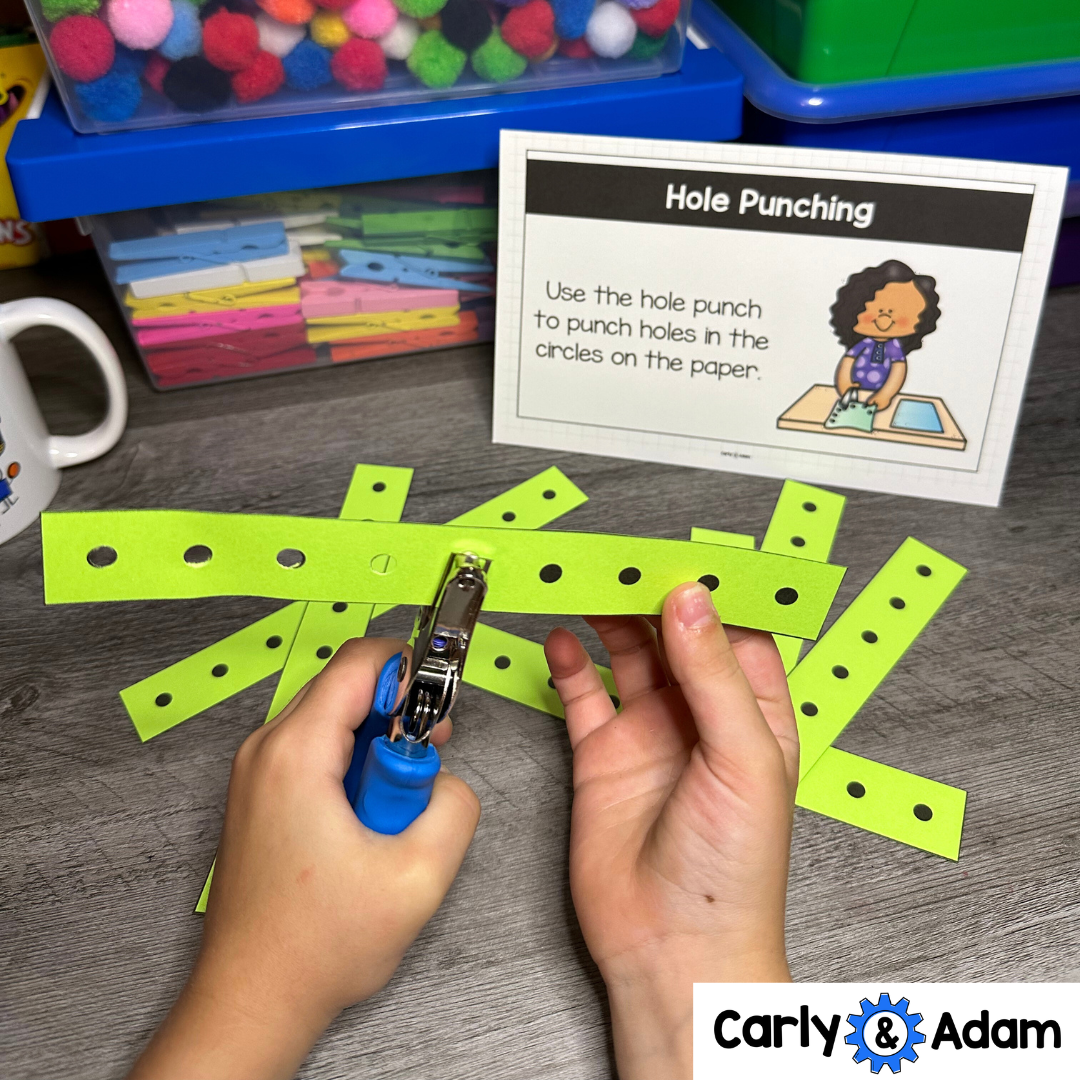
1.) Hole Punching
STEM Skills Center Activity: Students use a hole punch to punch holes in paper.
Skill Developed: Strengthens hand muscles and coordination. Hole punching helps students develop the precision needed for tasks requiring accurate hand movements, such as handling small components in STEM projects.
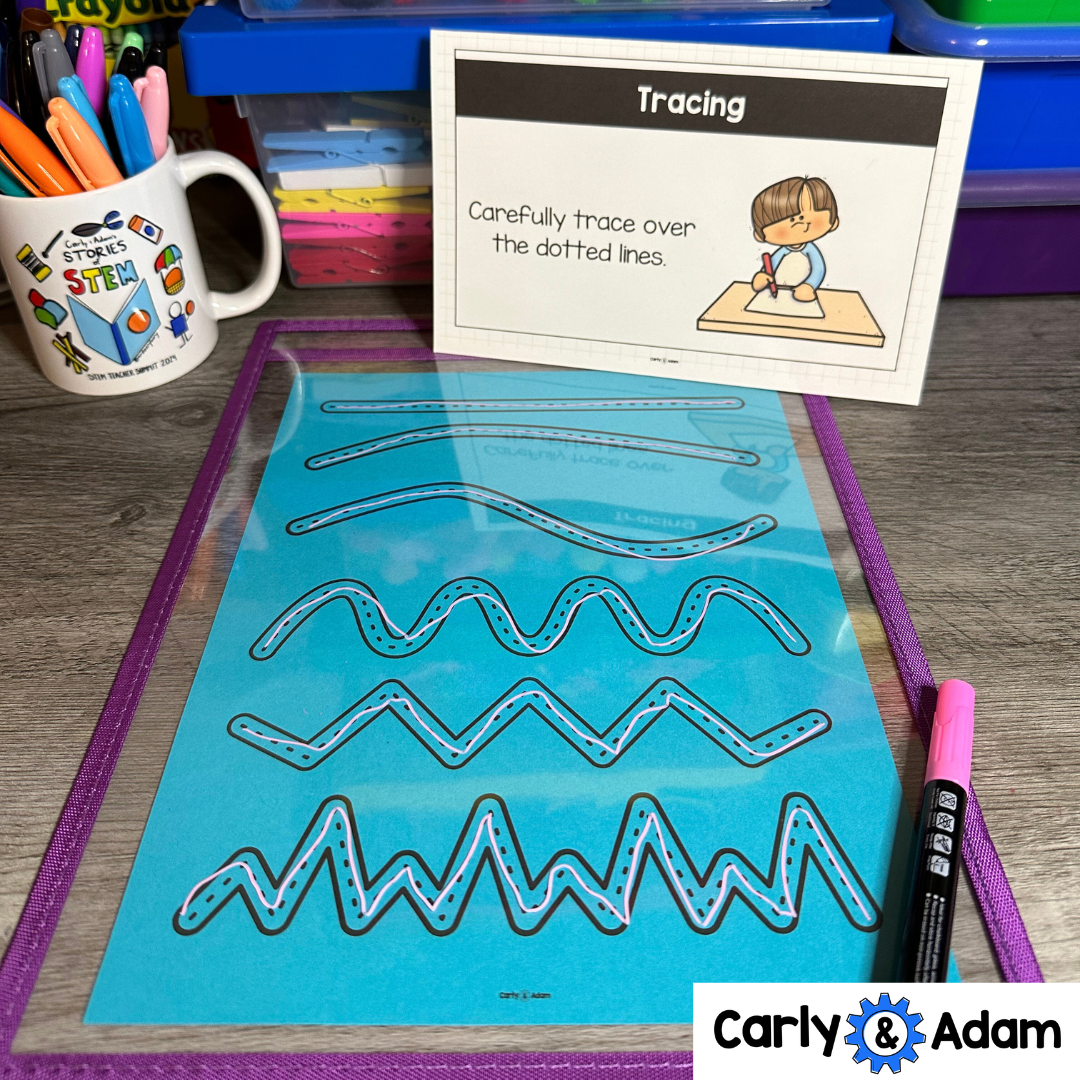
2.) Tracing
STEM Skills Center Activity: Tracing shapes or patterns using printable tracing pages with pencils, crayons, or markers.
Skill Developed: Enhances control and steadiness in hand movements. Tracing activities improve students' ability to follow lines and curves, essential for designing and sketching in STEM tasks.
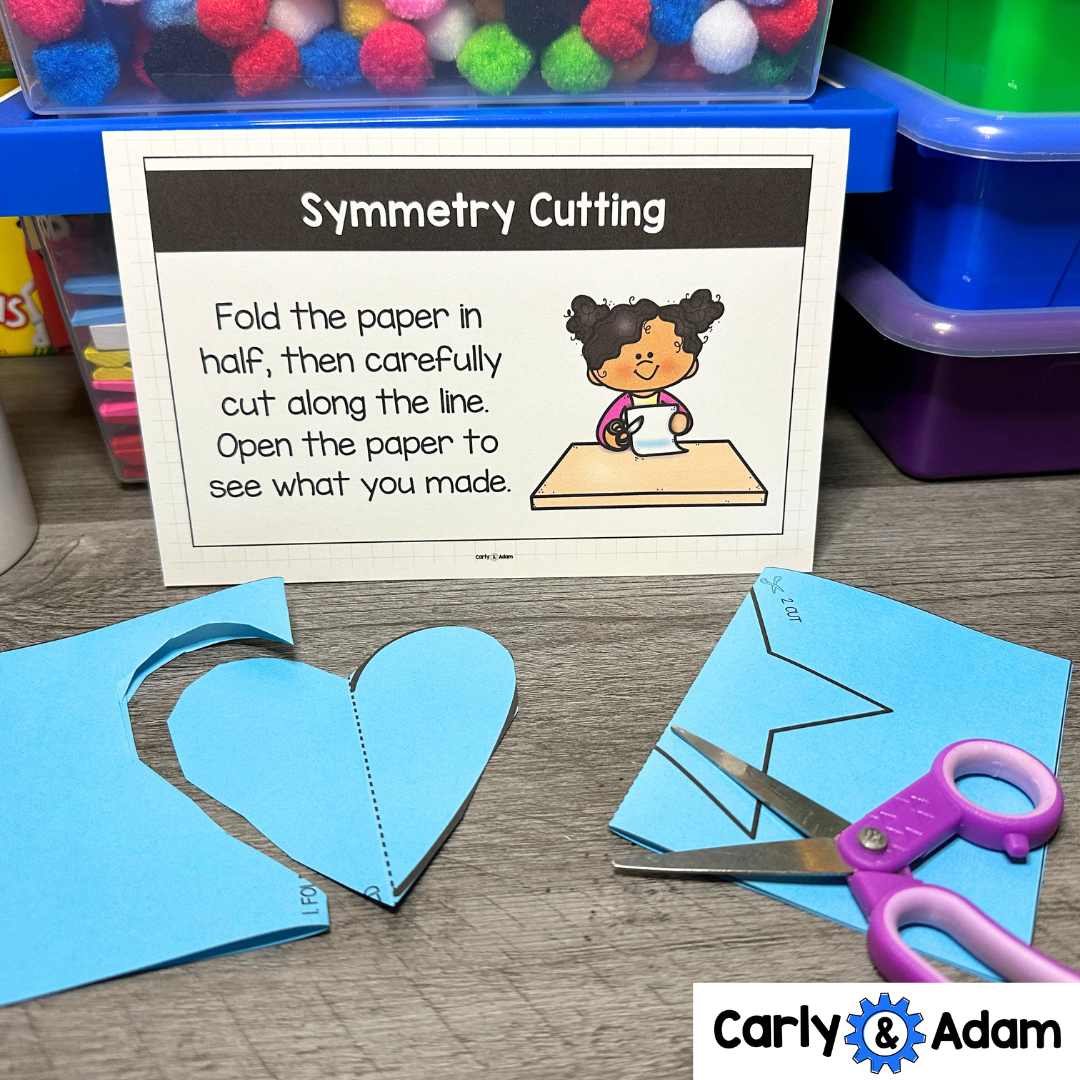
3.) Symmetry Cutting
STEM Skills Center Activity: Cutting folded paper along a line to create symmetrical shapes.
Skill Developed: Develops scissor skills. Symmetry cutting teaches students the importance of precision and symmetry, crucial for engineering and design projects.

4.) Cutting & Gluing
STEM Skills Center Activity: Cutting out pieces and gluing them to create pictures or models.
Skill Developed: Refines scissor control and hand-eye coordination. Cutting and gluing are fundamental for assembling prototypes and models in STEM challenges.
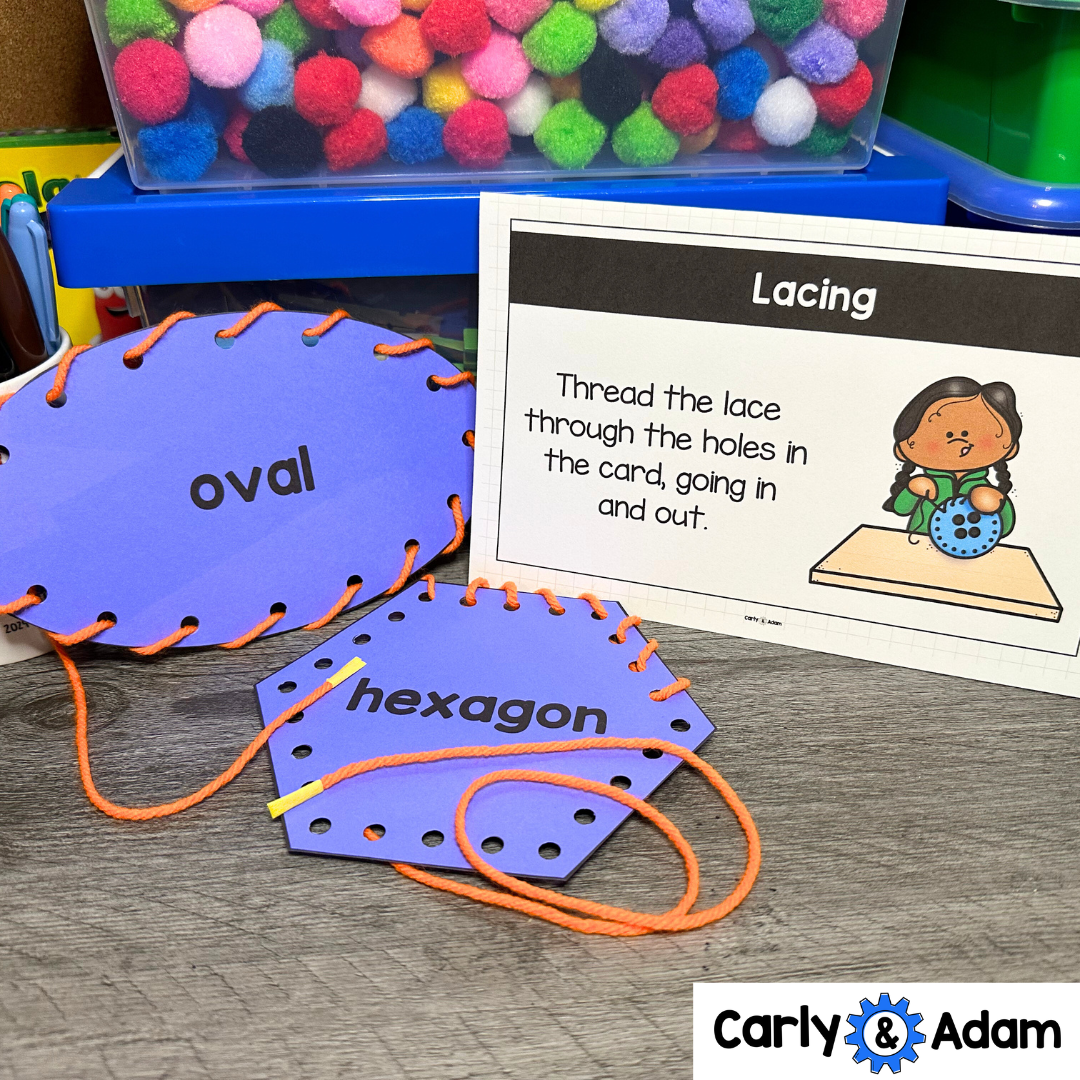
5.) Lacing
STEM Skills Center Activity: Threading yarn through holes in cards.
Skill Developed: Improves hand-eye coordination and dexterity. Lacing activities prepare students for tasks that involve threading or connecting components, such as circuit building or creating structures.

6.) Stacking
STEM Skills Center Activity: Stacking KEVA planks or similar building materials to create towers.
Skill Developed: Enhances spatial awareness and hand stability. Stacking activities are excellent for understanding balance and stability, which are key in constructing sturdy structures in STEM projects.
7.) Taping
STEM Skills Center Activity: Using tape to attach shapes to construction paper.
Skill Developed: Develops fine motor precision and control. Taping activities help students manage adhesive materials, useful in prototype building and repairs.
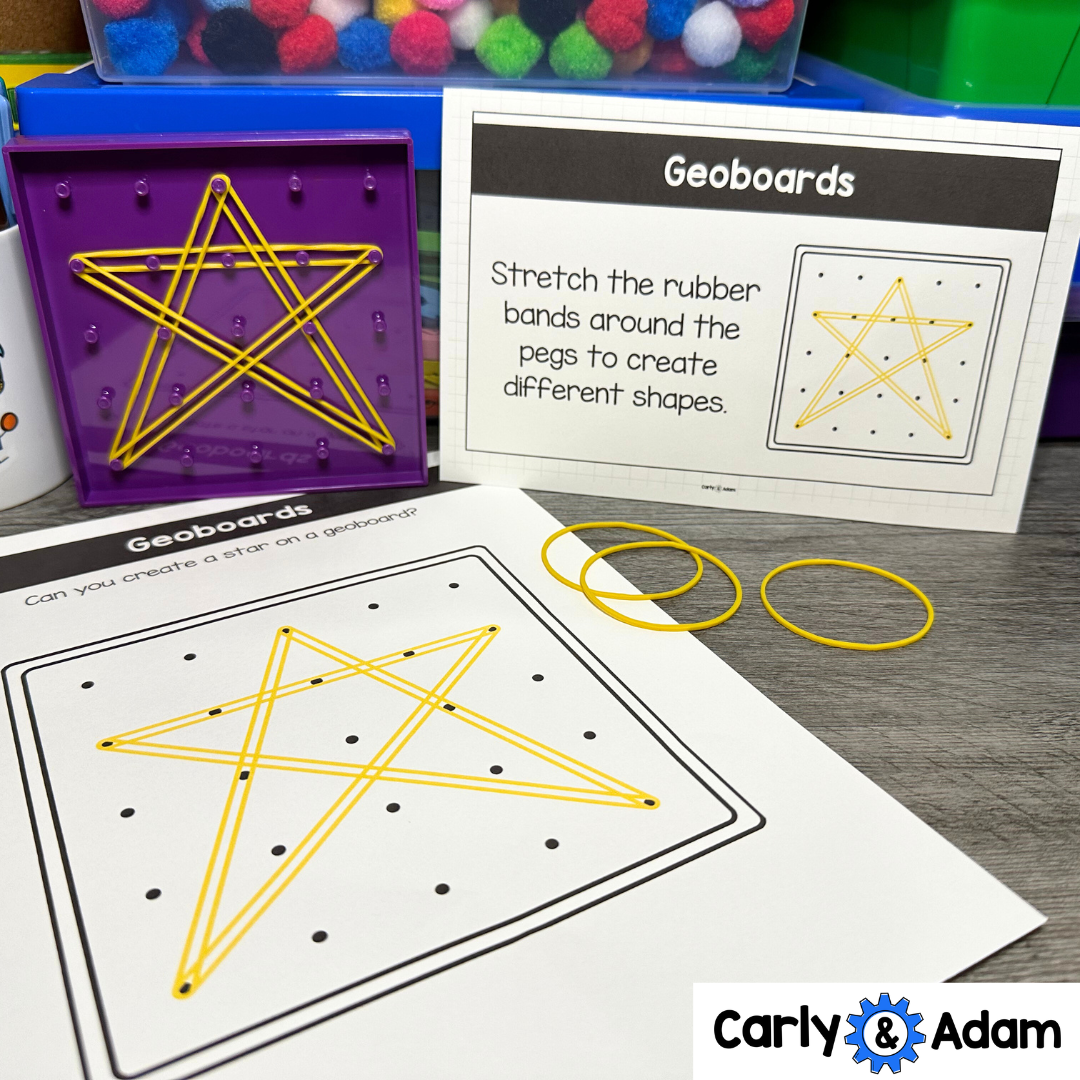
8.) Geoboards
STEM Skills Center Activity: Stretching rubber bands around pegs on a geoboard to create shapes.
Skill Developed: Boosts finger strength and coordination. Using geoboards teaches students about geometric shapes and patterns, essential for mathematical understanding and design.

9.) Pattern Stacking
STEM Skills Center Activity: Stacking Duplo bricks to match patterns.
Skill Developed: Improves pattern recognition and fine motor skills. Pattern stacking activities help students understand sequences and patterns, crucial for coding and algorithmic thinking in STEM.
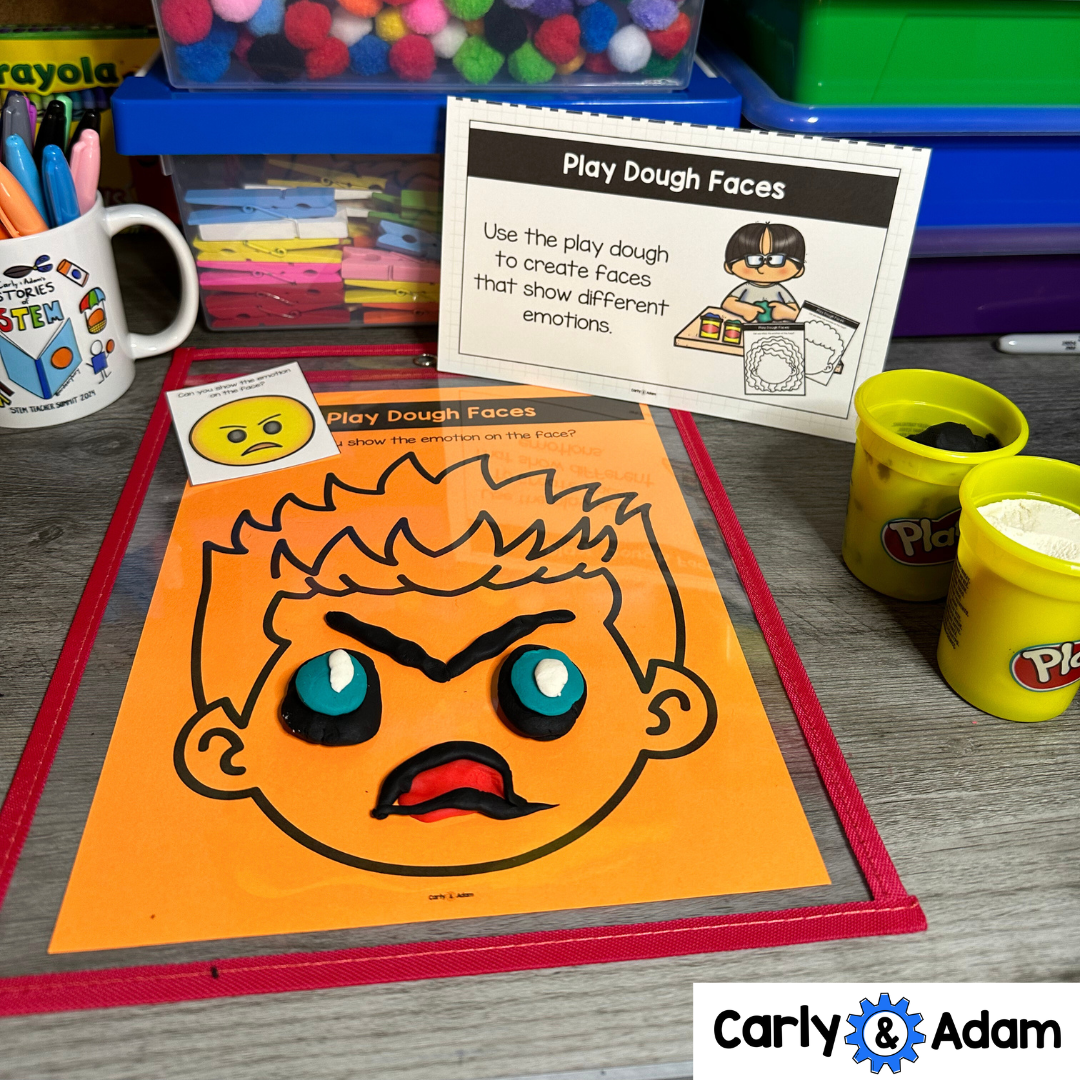
10.) Play Dough Sculpting
STEM Skills Center Activity: Creating faces with play dough to show different emotions.
Skill Developed: Enhances hand strength and creativity. Manipulating play dough develops the muscles needed for precision tasks and encourages creativity, important for innovative problem-solving.

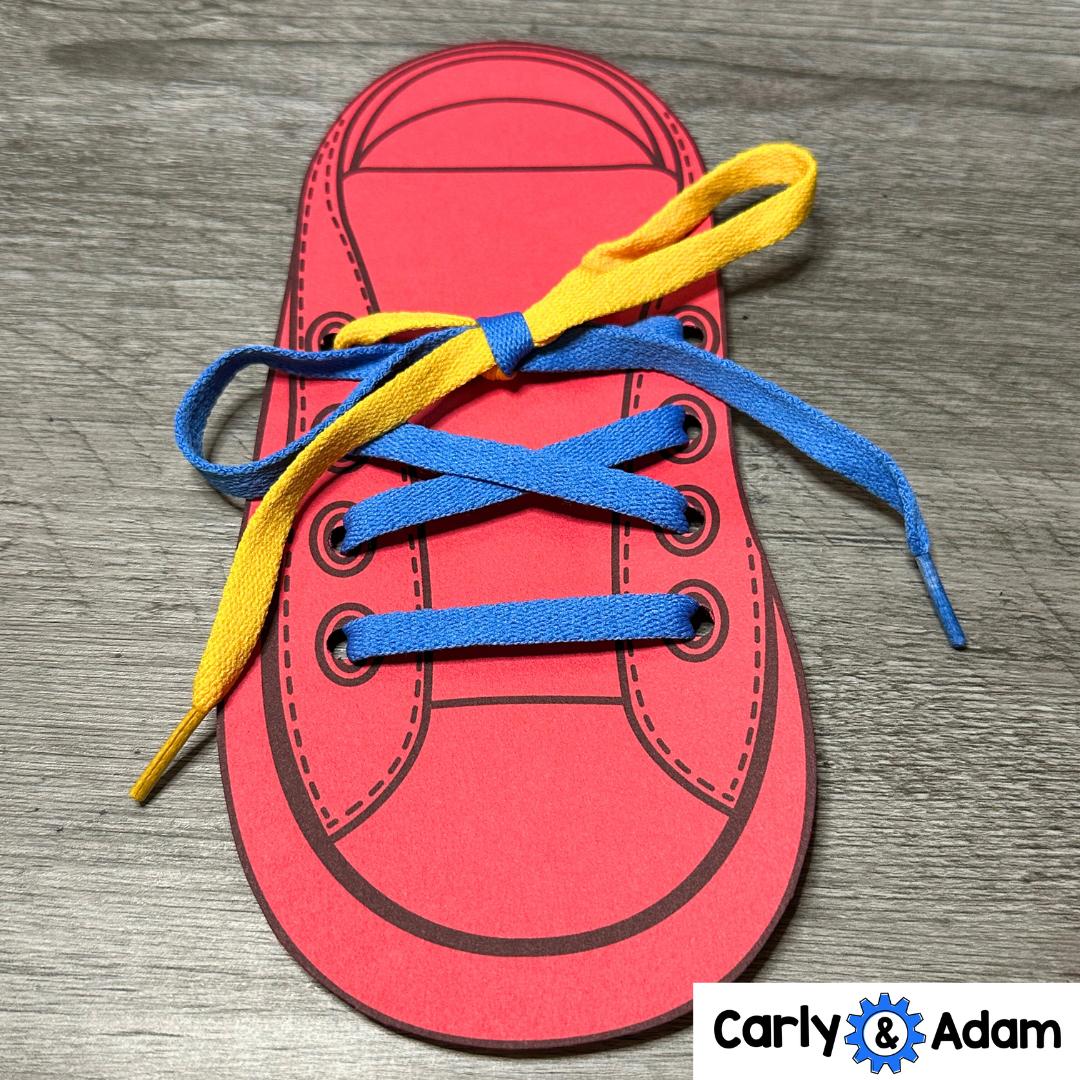
11.) Shoe Tying
STEM Skills Center Activity: Practicing tying laces on a shoe printable.
Skill Developed: Refines finger dexterity and coordination. Shoe tying activities help students develop the precision needed for tying knots and handling small components in STEM projects.

12.) Line Formation
STEM Skills Center Activity: Drawing lines to match shapes on cards.
Skill Developed: Enhances control and precision in drawing. Line formation activities teach students to follow specific patterns, which is essential for detailed sketching and design in STEM.
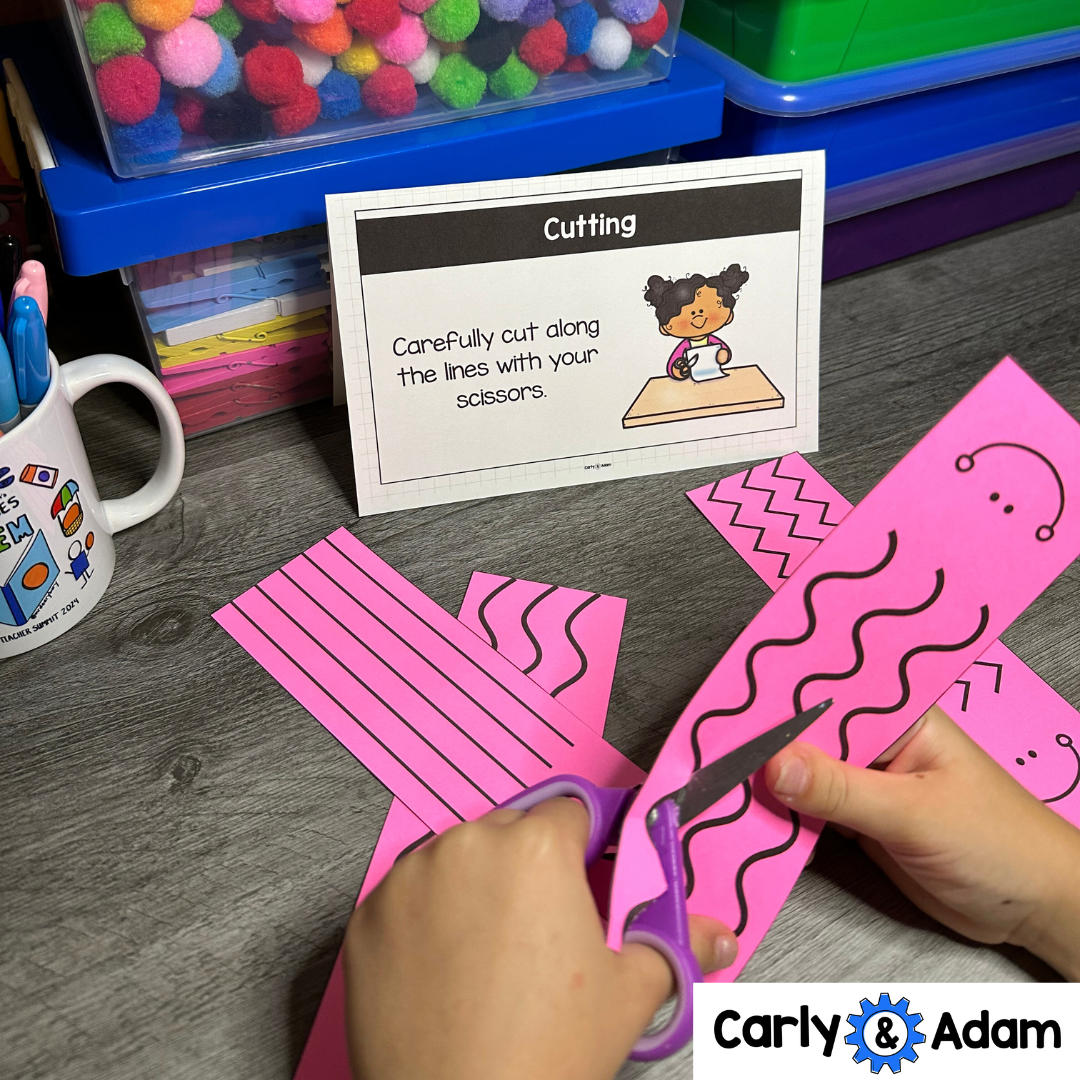
13.) Cutting
STEM Skills Center Activity: Cutting along lines on printable sheets.
Skill Developed: Sharpens scissor control and hand-eye coordination. Precise cutting is vital for creating accurate shapes and components, a fundamental skill in many STEM challenges.
Incorporating these fine motor skills through engaging STEM Skills Centers prepares students for more complex STEM challenges. By developing these skills, students gain confidence and competence in handling various materials and tools, fostering a strong foundation for future STEM learning and success.

Have more questions or need additional resources?
You can get all 300+ STEM Challenges by Carly and Adam as part of the STEM Teachers Club Membership. Save $5 on your first month using coupon Code: CarlyAndAdamBlog.
We hope you have found this blog post helpful. To stay connected with Carly and Adam's teaching tips and classroom freebies be sure to follow us on Facebook, Pinterest, Teachers Pay Teachers, and subscribe to our blog!