
Fine Motor Skills Activities for Big Kids
Fine motor skills aren't just for little kids. As children grow, the development and refinement of fine motor skills continue to play a crucial role in their overall learning and ability to perform everyday tasks. For older children, these skills are essential for activities such as writing, typing, and using tools, all of which are foundational for academic success and future careers. Here are 12 engaging centers designed to help older kids enhance their fine motor abilities while having fun and being creative.
12 Fine Motor Skills for Big Kids
Paper Folding
Cardboard Construction
Weaving
Cardboard Connecting Without Tape
Tying Knots
Paper Construction
Paper Airplanes
Cardboard Cutting
Play Dough Mazes
Cardboard Connecting with Tape
Tower Building
Braiding

What are Fine Motor Skills?
Fine motor skills involve the use of small muscles in the hands, fingers, and wrists to perform tasks that require precision and coordination. For big kids, these skills are critical for activities such as writing, typing, drawing, and using tools.
Developing fine motor skills in older children enhances their ability to manipulate objects with dexterity, improves their hand-eye coordination, and supports their academic and personal growth. Engaging in fine motor activities ranging from paper folding to tower building—ensures that big kids continue to build these essential skills, laying a strong foundation for future success in both school and everyday life.

Why are Fine Motor Skills Important for big kids?
Fine motor skills are crucial for big kids because they form the foundation for a wide range of essential activities both in and out of the classroom. As children grow, the complexity of tasks they encounter increases, requiring more precise and coordinated hand movements.
Strong fine motor skills enable older kids to excel in writing, drawing, typing, and using various tools, all of which are critical for academic success. Additionally, these skills enhance their ability to engage in hobbies, sports, and everyday tasks like tying shoelaces and cooking. By developing fine motor skills, big kids gain greater independence, confidence, and the ability to tackle more complex challenges, setting them up for success in future academic and personal endeavors.

1.) Paper Folding
Materials: Origami paper or paper cut to 6in x 6in
The Origami Center engages children in folding paper into various intricate shapes, enhancing their precision and fine motor skills. By following step-by-step instructions, kids develop hand-eye coordination and attention to detail while creating beautiful origami art.
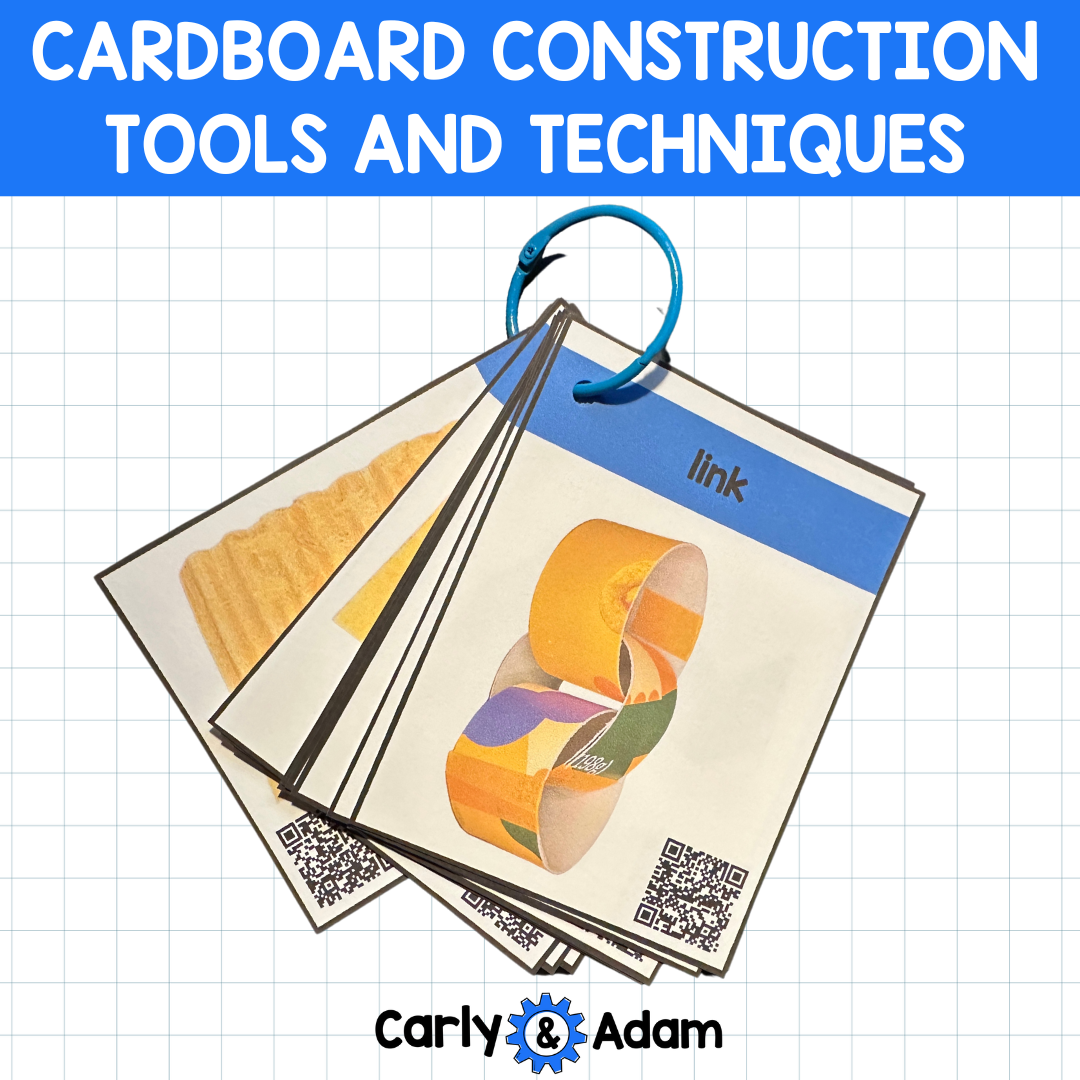
2.) Cardboard Construction
Materials: Cardboard, scissors, tape, rubber bands, toothpicks, brads, pipe cleaners, string, idea cards
The Cardboard Construction Center allows children to use scissors, tape, and other connecting materials to build creative structures from cardboard. This activity fosters problem-solving skills and fine motor development as kids cut, shape, and assemble their unique designs.

3.) Weaving
Materials: Paper strips (1in x 8.5in), scissors, weaving printable, weaving loom (optional)
The Weaving Center involves creating patterns by weaving strips of paper, which helps children improve their hand-eye coordination and dexterity. This activity promotes fine motor skill development as kids focus on threading and arranging the strips to form intricate designs.

4.) Cardboard Connecting (Without Tape)
Materials: Cardboard, brads, Makedo, scissors
The Cardboard Connecting Without Tape Center challenges children to build structures using cardboard pieces and connectors like brads and Makedo. This activity enhances fine motor precision and spatial awareness as kids figure out how to securely join the cardboard pieces without using tape.

5.) Tying Knots
Materials: Cardboard strip with strings, additional string
The Knot Tying Center provides children with the opportunity to practice tying various knots using strings attached to a cardboard strip. This activity improves finger strength and coordination, essential for fine motor skill development and everyday tasks.

6.) Paper Construction
Materials: Paper, tape or glue, idea board, binder ring with idea cards (optional)
The Paper Construction Center encourages children to use folding and cutting techniques to create 3D paper structures. This activity promotes creativity and fine motor skill development as kids manipulate paper to bring their designs to life.

7.) Paper Airplanes
Materials: Paper, instruction sheet
The Paper Airplanes Center engages children in folding paper to create different types of airplanes, following detailed instructions. This activity enhances fine motor skills and precision while teaching kids about aerodynamics and the basics of flight.

8.) Cardboard Cutting
Materials: Cardboard, safety saws, templates (printed on cardstock and laminated), cardboard scissors
The Cardboard Cutting Center allows children to trace templates onto cardboard and cut along the lines using safety saws and scissors. This activity helps develop fine motor skills, precision, and hand-eye coordination as kids work carefully to follow the outlined shapes.

9.) Play Dough Maze
Materials: Cookie sheet, play dough, marble or ping pong ball
The Play Dough Maze Center involves creating mazes on cookie sheets using play dough, where children navigate a marble or ping pong ball through the maze. This activity enhances fine motor skills and problem-solving abilities as kids mold intricate pathways and guide the ball with precision.

10.) Cardboard Connecting With Tape
Materials: Cardboard, tape, scissors
The Cardboard Connecting with Tape Center encourages children to build structures by connecting cardboard pieces using tape. This activity develops fine motor skills and hand-eye coordination as kids cut, shape, and assemble their designs securely.

11.) Tower Building
Materials: Straws with connectors (various options available)
The Tower Building Center challenges children to construct the tallest possible tower using straws and connectors. This activity enhances fine motor skills, spatial awareness, and problem-solving abilities as kids experiment with different designs and structures.

12.) Braiding
Materials: Printable instructions, three colors of yarn (various thicknesses available)
The Braiding Center engages children in creating braids using strands of yarn, following printable instructions. This activity improves fine motor control, hand-eye coordination, and concentration as kids weave the yarn into intricate patterns.

These centers offer a variety of activities that not only make fine motor skill development enjoyable but also integrate STEM concepts and creative thinking. By engaging in these tasks, older kids can continue to refine their fine motor skills, which are essential for their academic and personal growth.

Have more questions or need additional resources?
You can get all 500+ STEM Challenges by Carly and Adam as part of the STEM Teachers Club Membership. Save $5 on your first month using coupon Code: CarlyAndAdamBlog.
We hope you have found this blog post helpful. To stay connected with Carly and Adam's teaching tips and classroom freebies be sure to follow us on Facebook, Pinterest, Teachers Pay Teachers, and subscribe to our blog!