
Bird Beak Investigation and STEM Challenge (Animal Adaptations)
As educators, we're always on the lookout for engaging ways to bring science to life in our classrooms. The bird beak animal adaptations investigation is the perfect activity to engage students in the principles of adaptation. Through this activity students complete a hands-on investigation to discover the function of each bird beak design.
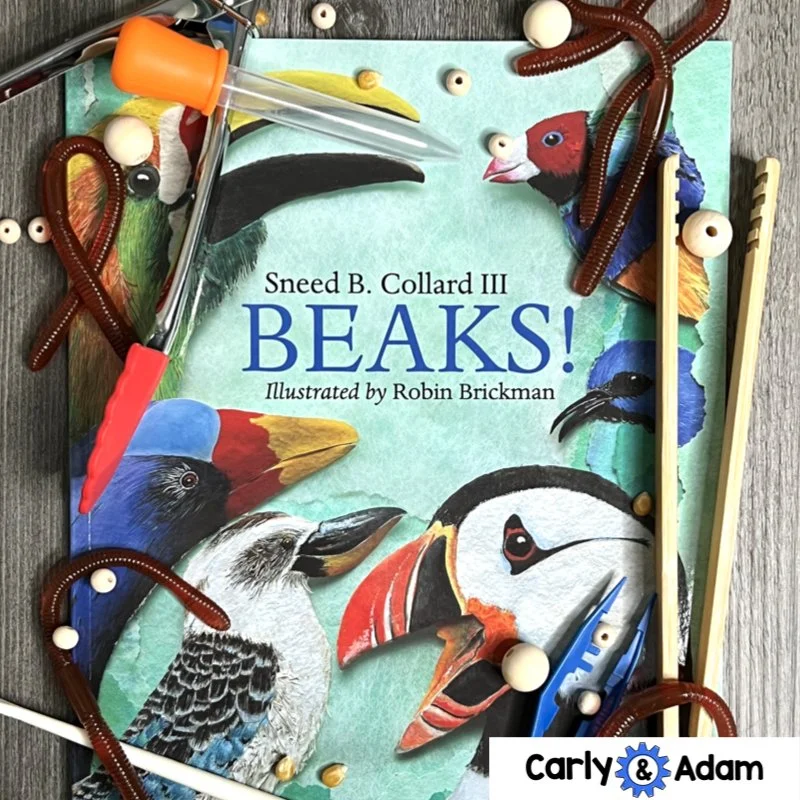
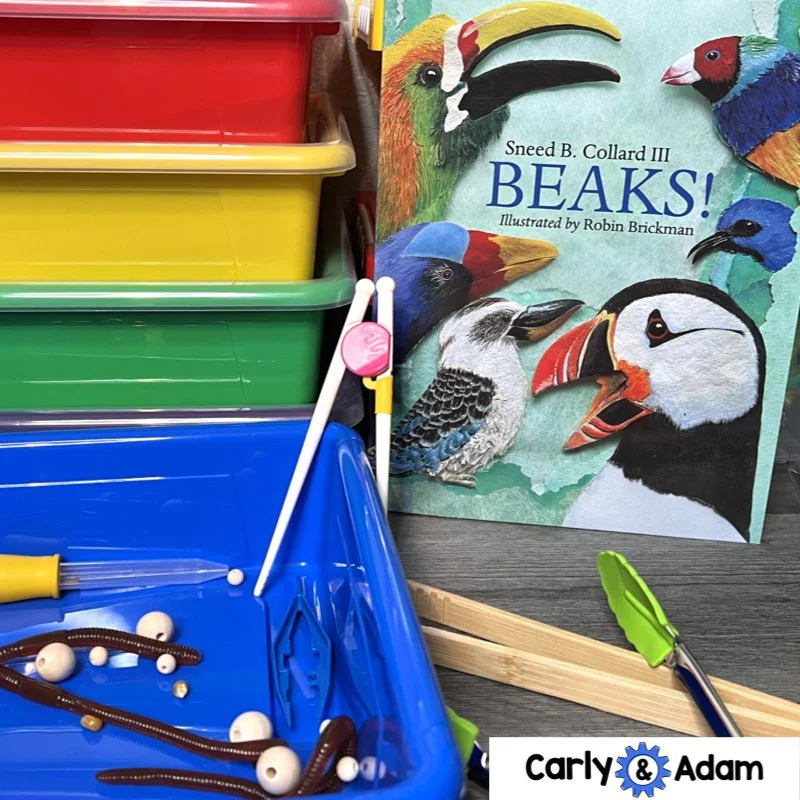
Adding to our bird beak activity, we can include the book "Beaks!" by Sneed B. Collard III. This book has great stories and pictures about different birds and their beaks. It's a good match for our lesson because it shows real examples of what we're learning. Reading "Beaks!" will help students see how the experiments we do in class connect to real birds. It's a fun way to make the lesson even more interesting and help students remember what they learn.
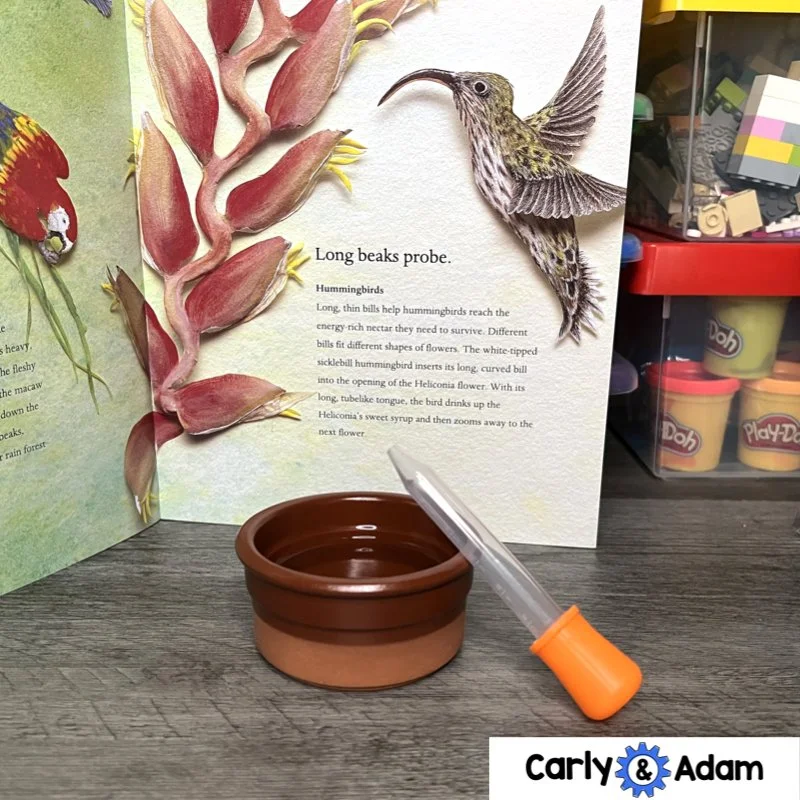
Introducing the Bird Beak Investigation
Bird beaks, or bills, are more than just feeding tools; they are adaptations that have developed over time to help birds survive in their specific environments. The shape, size, and strength of a bird's beak can tell us a lot about its diet and lifestyle. For instance, a finch's sturdy, conical beak is perfect for cracking seeds, while a heron's long, sharp beak is ideal for spearing fish. This lesson dives into these adaptations, offering students a tangible way to understand the concept of survival in the natural world.
Materials and Instructions:
To ensure that your students have everything they need to get started, here's a list of suggested materials:
paper
pencils
crayons or markers
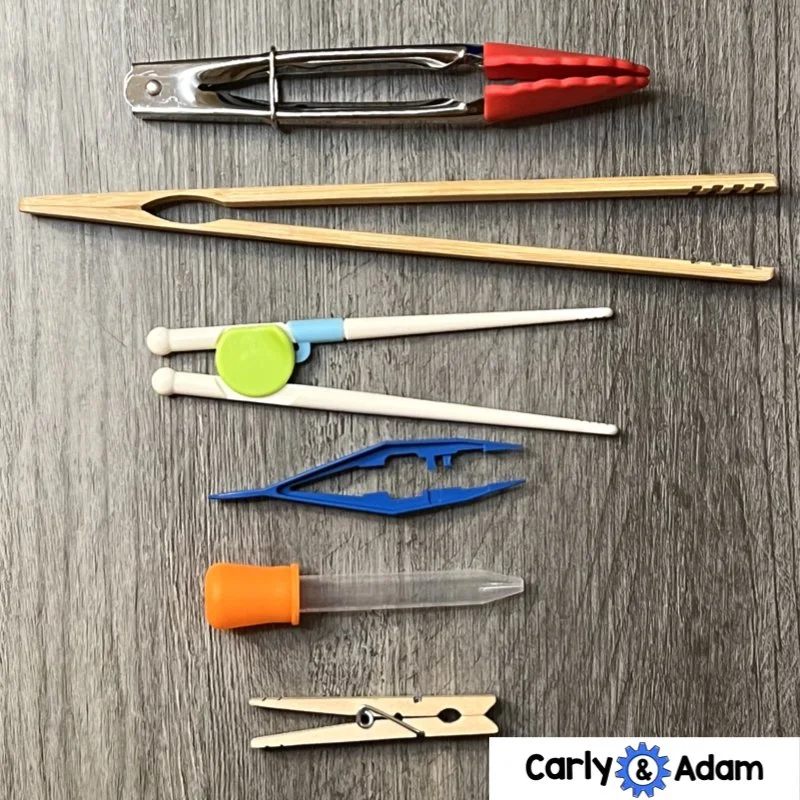
grabbing tools (clothespins, tongs, tweezers, chopsticks, liquid dropper, etc.)
small materials to pick up (beads, pom poms, pine cones, plastic bugs/worms, rice, popcorn kernels etc.)
dish with water
library books about beaks
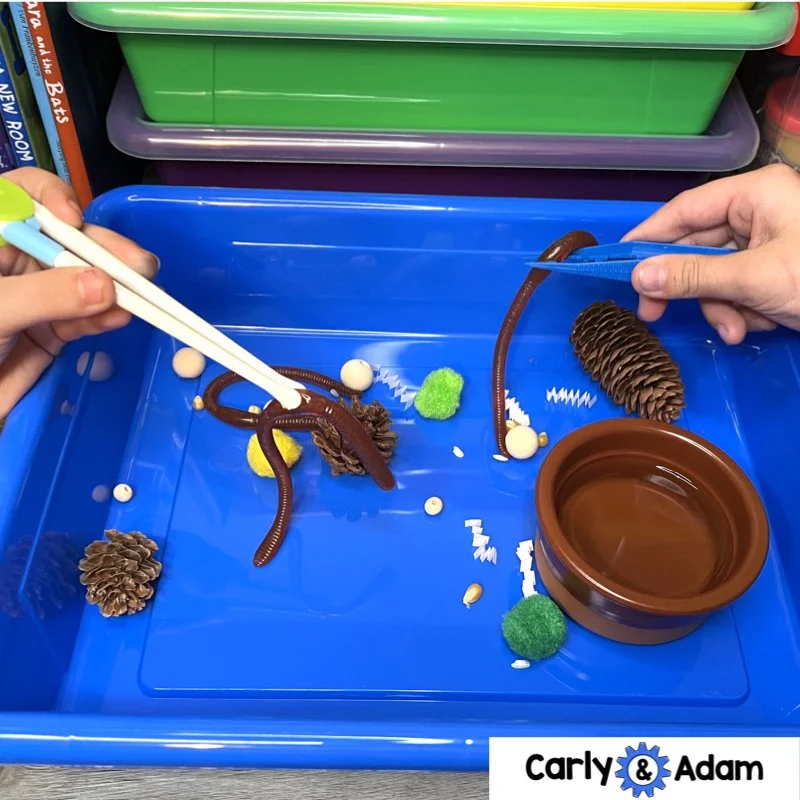
The core of this lesson involves a simple yet effective experiment where students use various tools to mimic bird beaks. Items like clothespins, tweezers, and chopsticks represent different beak types, while small objects such as beads and pom-poms serve as "food." This activity not only engages students in active learning but also encourages them to think critically about how the shape and functionality of a beak can affect a bird's ability to find food and thrive.
Reflecting on the Bird Beak STEM Challenge
Following the experiment, students delve deeper into the subject by observing images of birds and discussing the possible functions of their beaks. This segment of the lesson enhances observational skills and critical thinking, as students hypothesize about each bird's diet and habitat based on its beak's characteristics. Reading aloud from resources about bird beaks provides additional context and helps solidify their understanding.
In a world where STEM education is more important than ever, lessons like this bird beak exploration are crucial. They not only cover important scientific concepts but also inspire curiosity, creativity, and a love for learning about the natural world. As educators, our role is to guide our students through these discoveries, fostering a sense of wonder and an understanding of the intricate connections that make up our environment.
Spend Less Time Planning and More Time Teaching!
Hands-on STEM learning starts here.
Find ready-to-use STEM Activities and Science Curriculum, Practical Professional Development, and a Community of Educators to help you teach STEM with confidence.
You can get all 1000+ STEM Challenges by Carly and Adam as part of the STEM Teachers Club. Save 30% on your first month/year using coupon Code: CarlyAndAdamBlog.