5 Read Aloud STEM, STEAM, and Coding Challenges Using Only Paper and Tape
One of the biggest barriers keeping teachers from engaging in STEM challenges is the large amount of materials some activities require. This is further complicated this year by the fact that students can’t share materials so teachers need to have enough materials on hand for each individual student.
With these added complications we have been asked by several members of our STEM Facebook group to compile a list of quick and easy STEM challenges that require the least amount of materials.
The following is a list of our top 5 STEM challenges that only require paper and tape:

Before we jump into our list of STEM challenges we wanted to share a substitute for tape that can save your sanity. Use mailing labels or dot stickers as an alternative adhesive material to save on the amount of tape used by students. There is no time wasted measuring out strips of tape for students before a challenge. The stickers come on a sheet and are easy to hand out to students during STEM challenges.
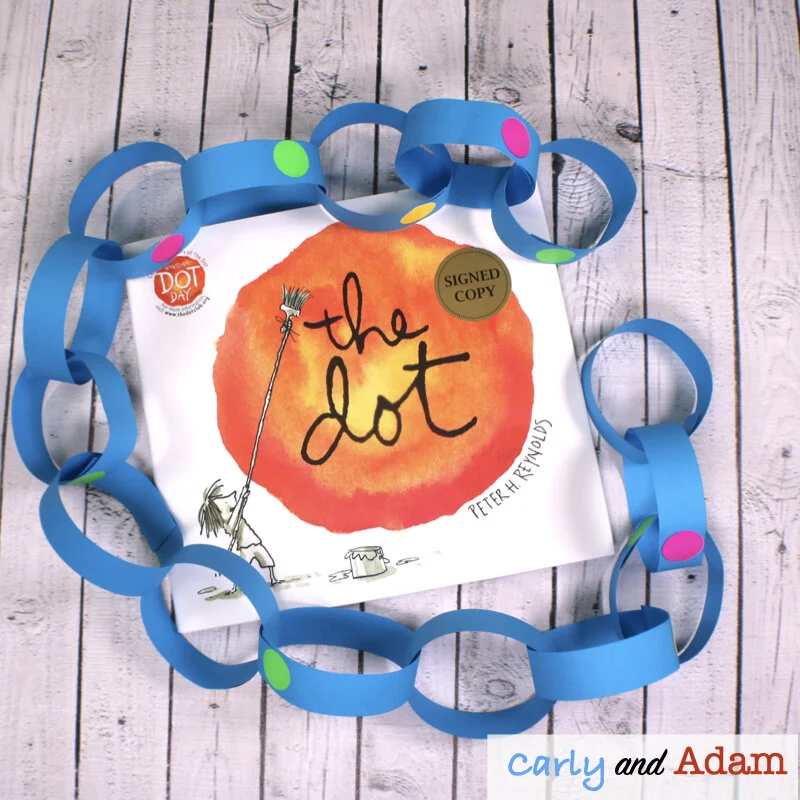
1.) The Longest Paper Chain STEM Challenge
The longest paper chain challenge is one of our favorite team building STEM challenges. The purpose of the challenge is for students to build the longest paper chain using only 2 pieces of paper and 1 foot long piece of masking tape. Grab the free instructions and recording sheets for this challenge here.
Turn this activity into a read aloud STEM challenge that goes along with The Dot by Peter H. Reynolds. Substitute a sheet of dot stickers for tape to create your paper chain. Get the full instructions and student recording sheets.
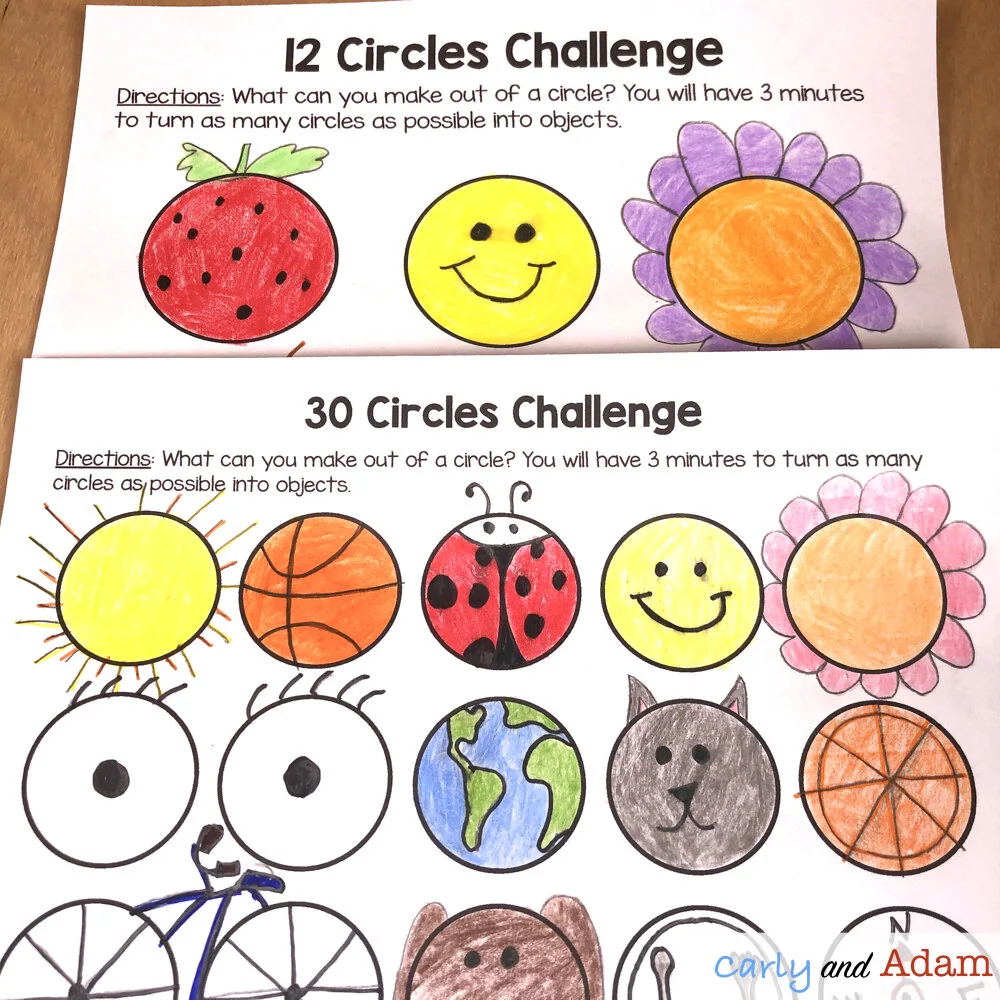
2.) The 30 Circles Challenge
The 30 Circles Challenge is another activity that can be paired with The Dot by Peter H. Reynolds. The goal of the 30 Circles Challenge is for students to turn as many circles as possible into recognizable objects in only 3 minutes. Older students will complete the 30 Circles Challenge, while younger students (preschool-first grade) should complete the 12 Circles Challenge.
Lean more about this challenge and grab the free resources in this blog post.
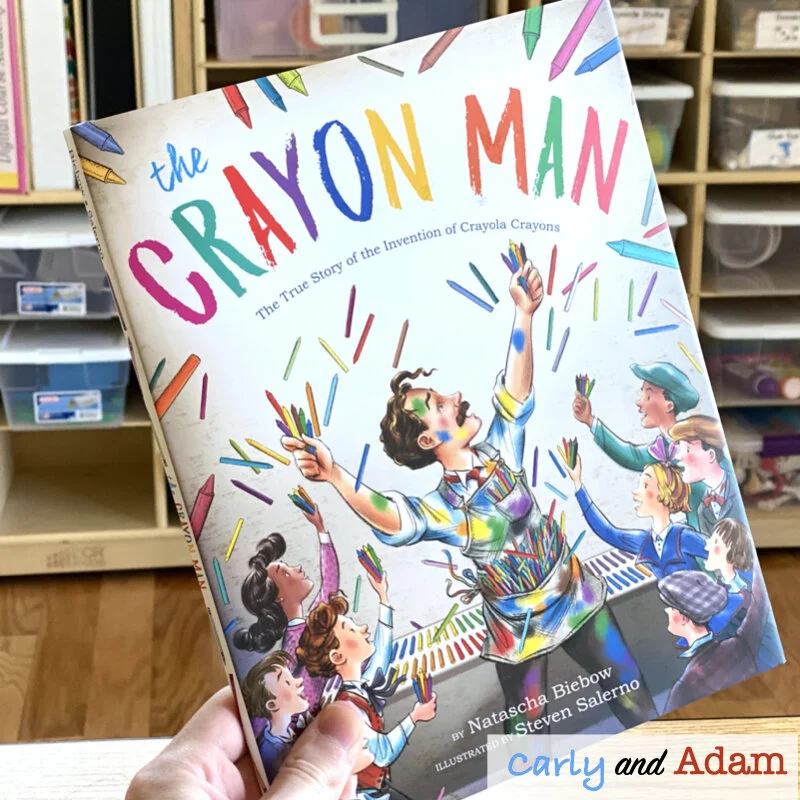
3.) The Crayon Man Build a Crayon Box STEM Challenge
The Crayon Man By Natascha Biebow tells the true story of the invention of Crayola Crayons. After students learn about the challenges that had to be overcome during the making of the crayons give them their own challenge to build a box that can hold 24 crayons using 2 pieces of paper, scissors, and 3 feet of tape.
4.) If I Built a House STEM Challenge

If I Built a House by Chris Van Dusen follows the story of Jack, a young boy with a big imagination. Jack is bored with normal houses so he decides to build the house of his dreams, complete with a racetrack, flying room, and a gigantic slide.
Engage students in STEM with this story by encouraging them to build their own dream house using geometrical shapes.
5.) Read Aloud Coding Challenge
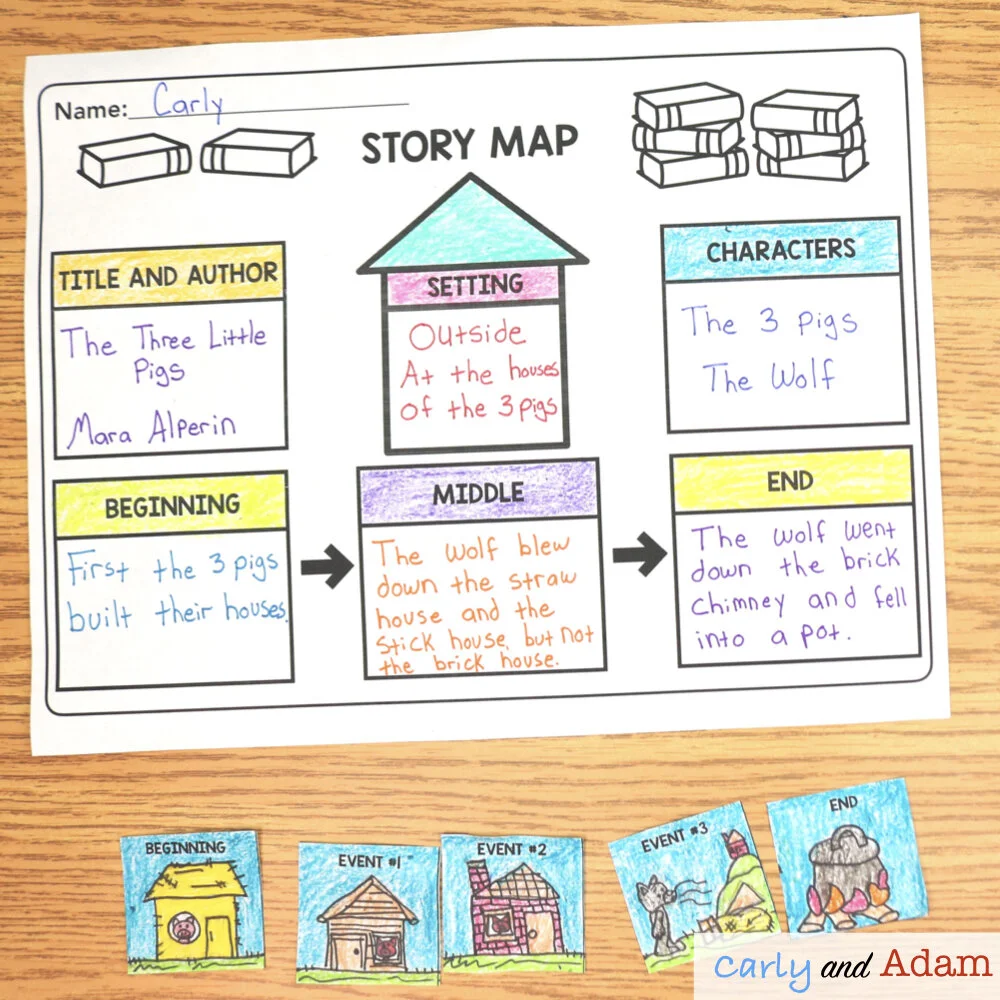
The goal of coding in education is for students to not only be learning to code, but also code to learn. By coding a story students are able to apply the coding principle of sequencing to retelling a story.
Have one student write or draw the events of the story and place them on a coding mat while their partner records the steps to get from the beginning to the end using directional coding. Get the read aloud coding resource.
Join our FREE Facebook group Elementary STEM Teachers with Carly and Adam! Learn more about how to incorporate STEM in your classroom or at home and collaborate with other STEM teachers! JOIN NOW!
We hope you have found this blog post helpful. To stay connected with Carly and Adam's teaching tips and classroom freebies be sure to follow us on Facebook, Pinterest, Teachers Pay Teachers, and subscribe to our blog!