Latest Blog Posts by Carly and Adam
March Madness Basketball Activity for Lower Elementary
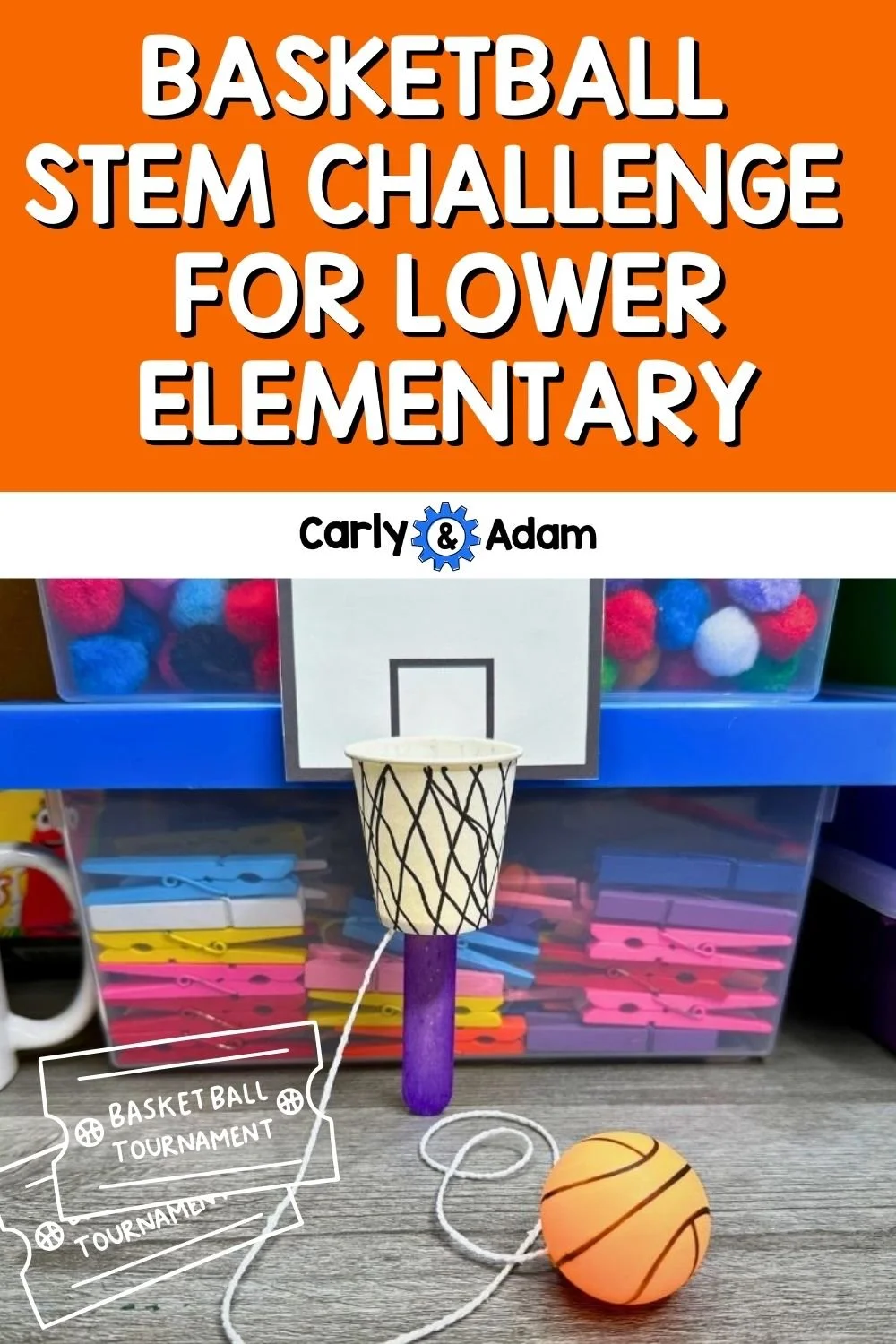
March is the perfect time to bring a little basketball-themed excitement into your classroom, and this STEM challenge is a fun way to do it.
With this hands-on activity, students engineer their own mini basketball game that they can play with one hand using simple classroom materials.
It is an engaging way to mix creativity, problem-solving, and seasonal March Madness fun in a way that feels playful and meaningful for young learners.
Scientist, Inventor, and Engineer Spotlight March Madness Tournament
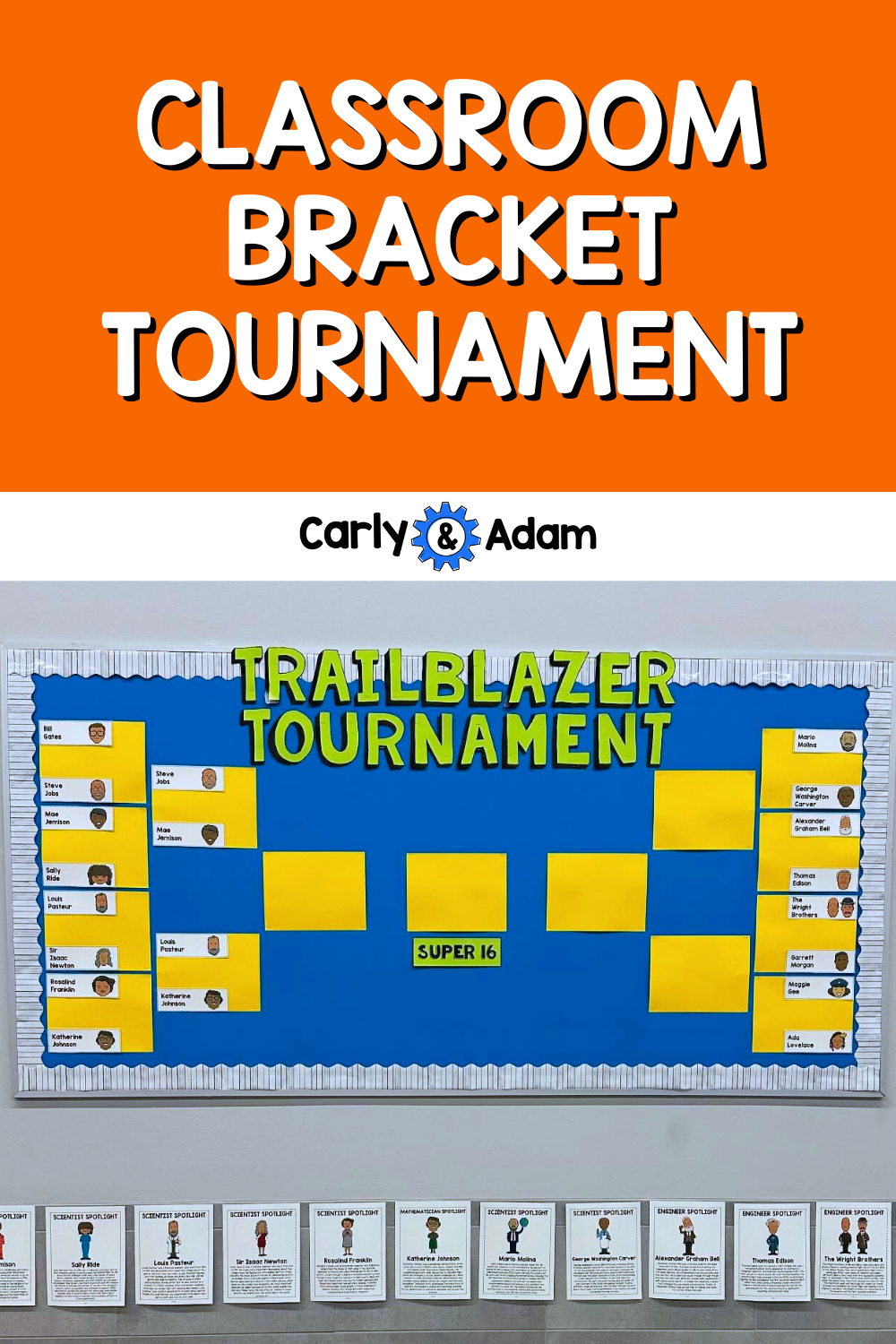
March is the perfect time to bring a little tournament excitement into your classroom, and this Trailblazer Tournament is such a fun way to do it.
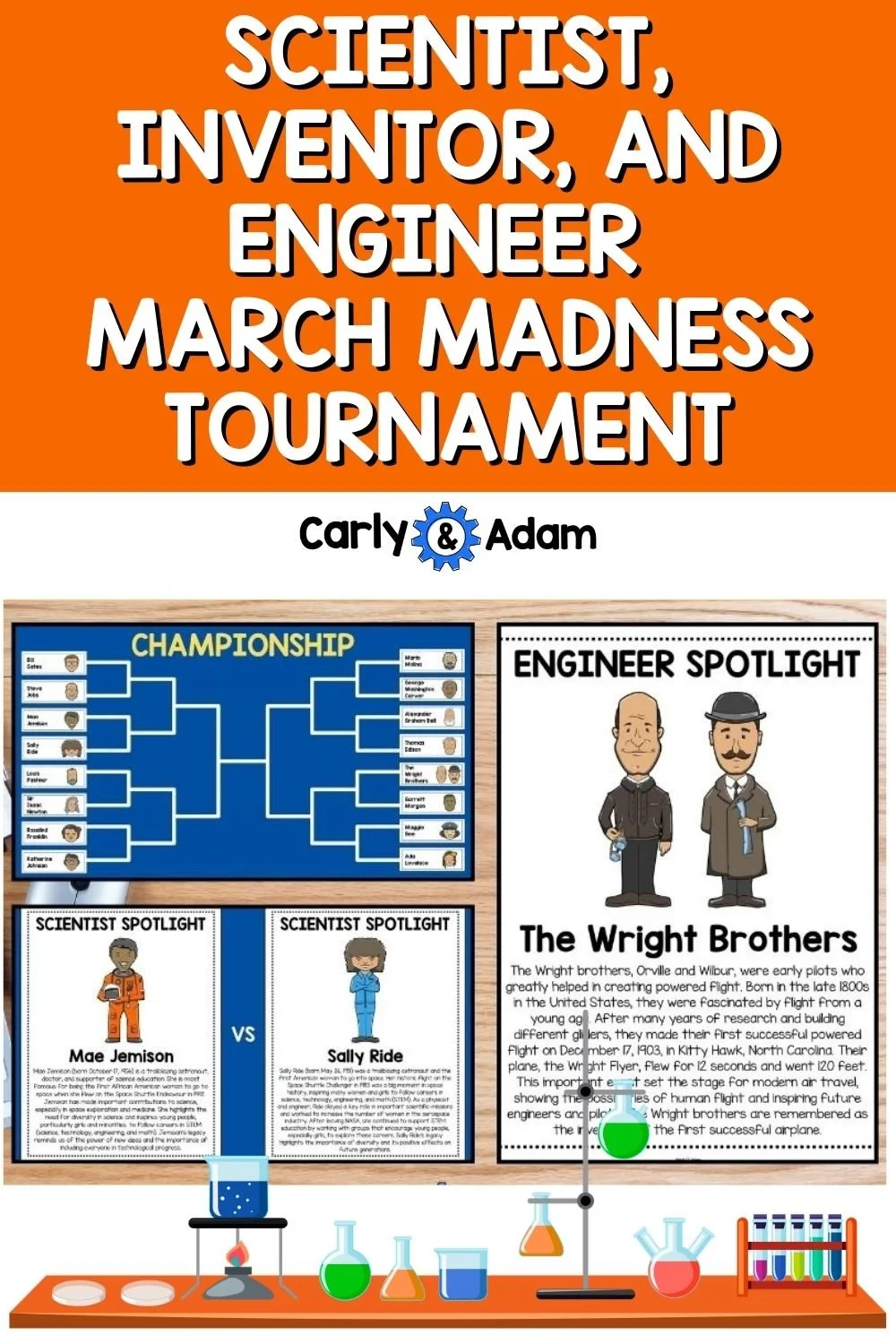
Inspired by a March Madness-style bracket, this activity invites students to learn about scientists, engineers, mathematicians, and technology leaders while voting their way through each round until one trailblazer is crowned champion.
A Fun Way to Spotlight STEM Leaders
In this activity, teachers choose 16 trailblazers from the included spotlight cards and create a tournament bracket on a bulletin board or wall.

Basketball Coding with Robots
Looking for a fun way to bring coding into your classroom during March Madness?
The Basketball Coding challenge is a hands-on STEM activity that gets students excited about programming through play.
In this lesson, students work in teams to guide a robot across the court and into the hoop, using movement cards to plan, test, and adjust their code along the way.
It’s a simple, engaging way for elementary students to practice sequencing, problem-solving, and teamwork while having fun.
Basketball STEM Activity: Build a Thaumatrope
Basketball STEM Activity: Build a Thaumatrope
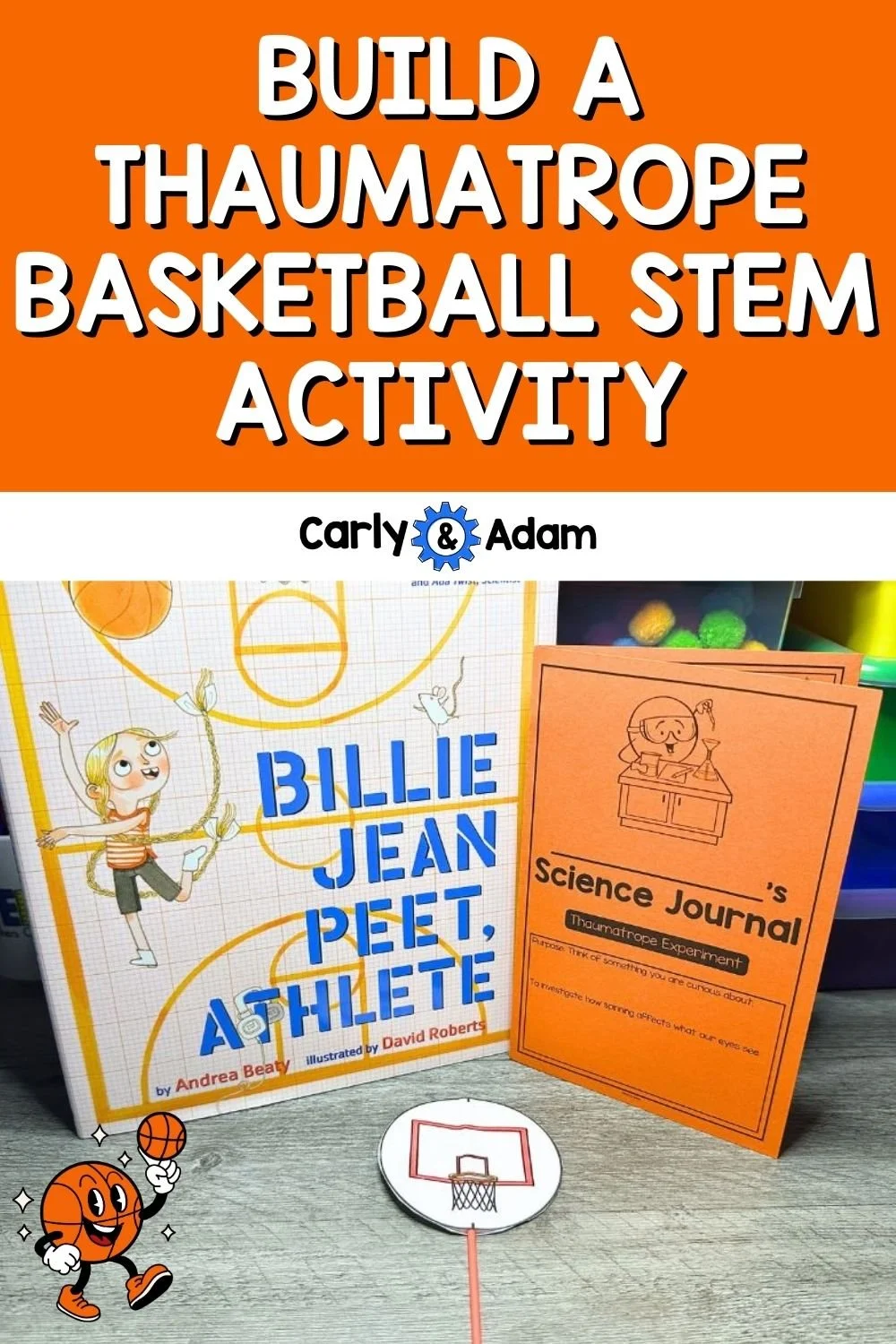
If you want a quick, high-engagement way to blend literacy and hands-on science, this lesson built around Billie Jean Peet, Athlete is an easy win.
Students enjoy the read-aloud, then explore how motion changes what we see by building a simple science toy called a thaumatrope. It’s the perfect science lesson for engaging kids during the March Madness NCAA Basketball Tournament.
The investigation has a clear goal: to see how spinning affects what our eyes see. Students make a prediction, test it, and explain what happened—practicing real scientific thinking with an elementary-friendly setup.