
5 STEM Challenges For Virtual Learning
The following is a guest post from Dr. Jacie Maslyk.
Taking STEM virtual has been a challenge for many educators. Maintaining the creativity of hands-on learning while away from the classroom is hard for students and teachers.
We miss the collaborative buzz of the classroom and the often messy and hectic nature of the STEM space. We can maintain the stimulating way that STEM engages our students even when we are working virtually.
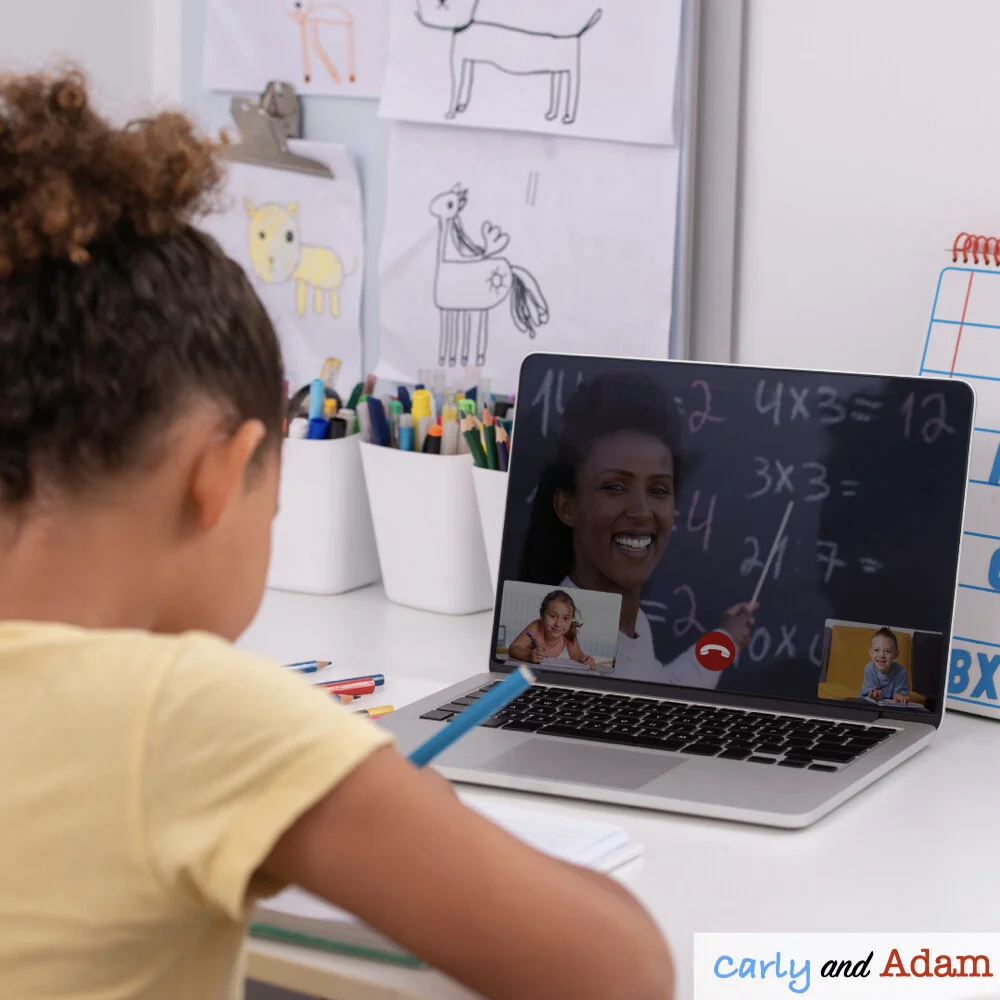
Designing challenges for students while they are learning virtually does have its barriers.
How do we design lessons that spark student interest so that they can fully engage from home? How do we ensure that all students have access to STEM learning?
Do they have access to technology to connect virtually?
Do they have materials at home to engage in STEM while away from the classroom?
Access to Materials
When it comes to student materials, we really have two choices:
1) plan STEM challenges with materials that every child will have access to at home; or
2) find a way to get materials to your students.
Check out this post for more ways to acquire materials for your STEM space. Schools are looking at this in creative ways. Some schools are offering STEM kits, packaged with all the necessary materials that a student might need to engage in STEM learning at home.

In a plastic bin or even a cardboard box, we can add some essential STEM challenge materials:
Copy paper
Roll of tape
Scissors
Index cards
Paper clips
Crayons
Glue
Rubber bands
Craft sticks
Toilet paper/paper towel rolls
These materials can serve as the foundation for a lot of different challenges. If you have a more specific challenge in mind, you will want to include additional materials. These “STEM kits” can be available at school for families to pick up or even shared out at other community locations like a public library, community center, or church.
One creative teacher I know used thin cardboard boxes from our recent 1:1 device initiative (Chromebook boxes are just the right size for paper and other materials). She stocks the boxes at the beginning of each quarter with materials that students will need. Students use the materials and then submit their projects back in the box and return it to their teacher for replenishing the materials.
So, let’s keep things low-cost for you and low-stakes for students. These challenges are not complex and should present as an easy entry point for most of your student engineers. The challenges use inexpensive materials that can be used once and repurposed for future challenges, too.
Challenge 1: Straw Structures
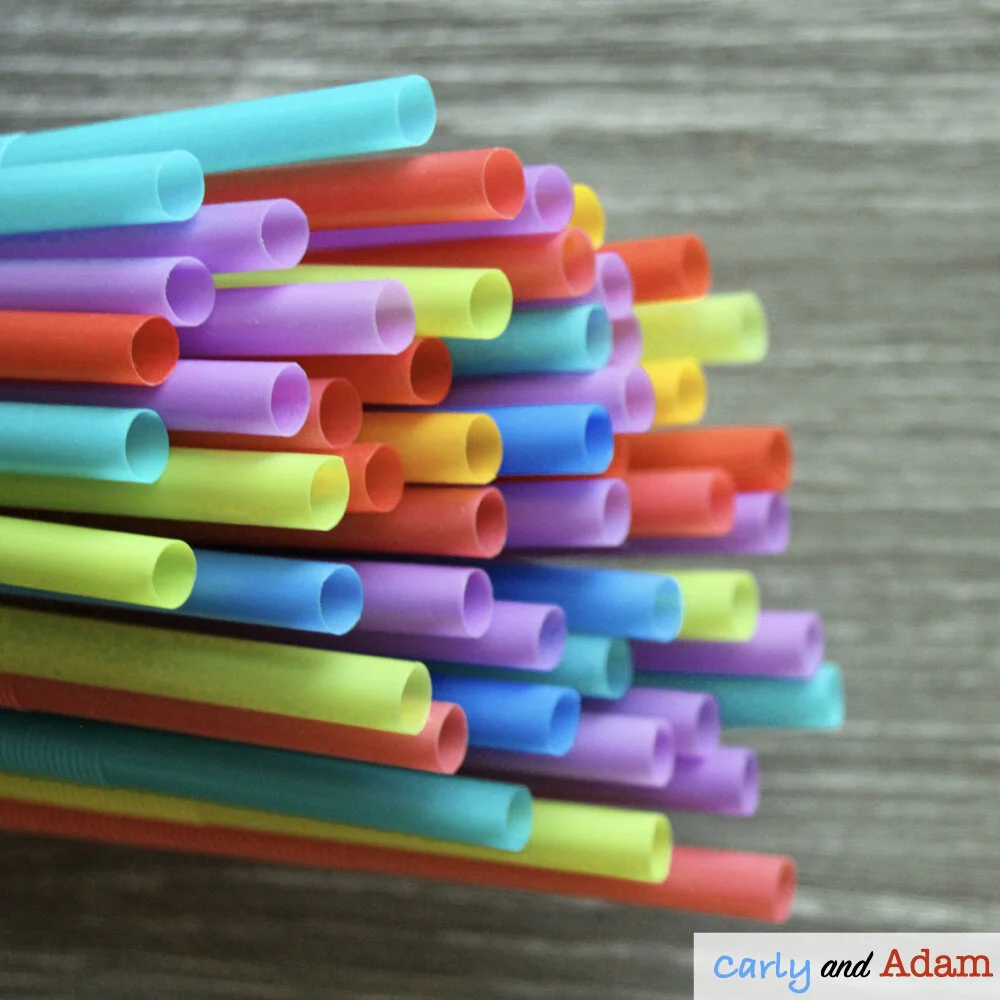
Using plastic straws (you can usually find a box at the dollar store) and tape, student engineers can design and build a structure. What is the goal? Make the tallest tower. Build a tower that stands on its own. You decide. Or better yet, have your students decide on the design parameters.
Add in some design limitations to make the task more challenging. Maybe students can only use 12 straws. How will they need to adjust their design now? What if they only had 6 inches of tape to use. They might need to rethink how they will use the limited materials.
Think of other design limitations that might push students to think more creatively about the task. If you’re learning remotely, have students take a picture of their design and post it for the class. Students can review the other structures and talk about why certain designs may have worked better than others.
Challenge 2: Egg Drop Alternatives
The egg drop challenge is a great one when it comes to getting students to problem solve. Since this is a pretty common challenge, consider the alternatives that could be created instead.
Ship a Chip-- (pack and protect 1 Pringle and mail it to your teacher or classmate. How will you get it there safely?)
Ornament Toss--Holiday ornaments can be pretty delicate, much like an egg. Using recycled materials (newspaper or old wrapping paper or cardboard and some tape) create some protection around the ornament and then give it a toss. Did your packing keep it safe?
Challenge 3: Explore Simple Machines
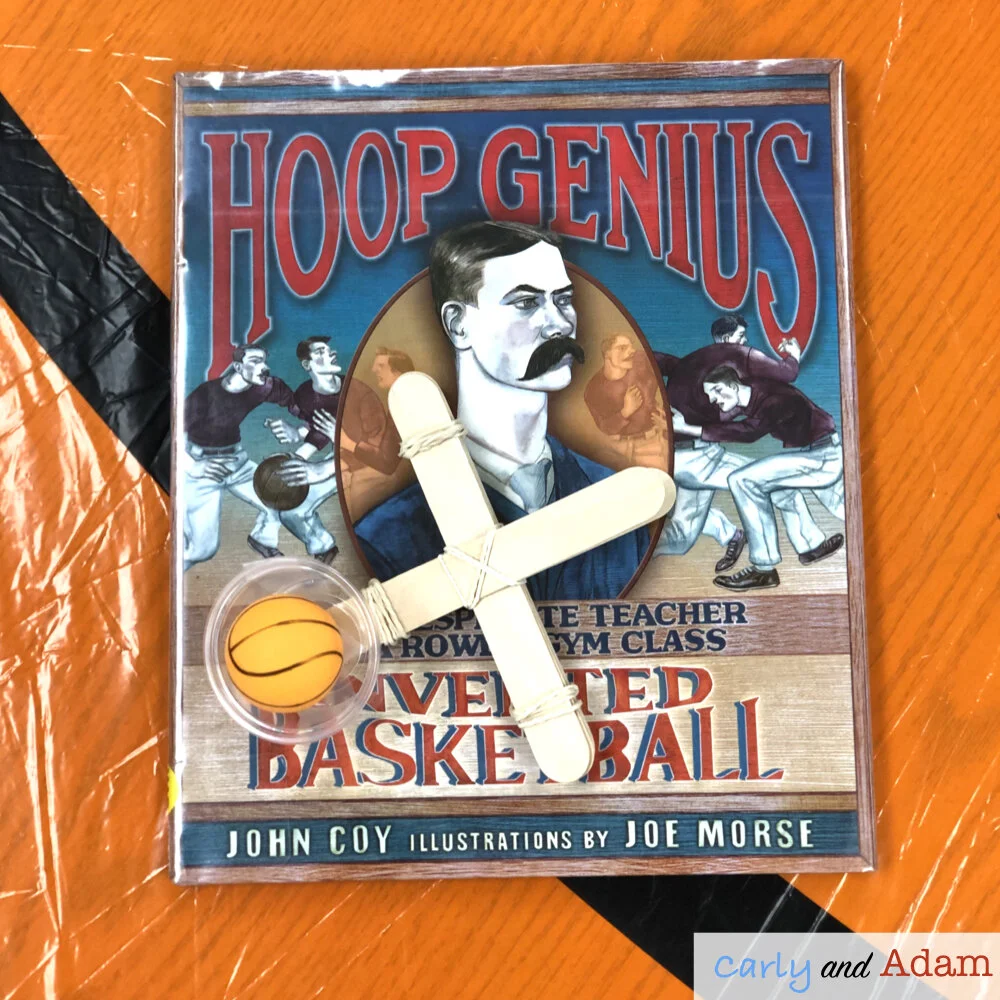
Simple machines like pulleys, wheels and axles, levers, and inclined planes can be crafted using materials like string, cardboard, and plastic bottles. Extending that knowledge, students can create catapults or trebuchets. Student engineers can create small scale models of these machines and also explore how these machines are present in real-world contraptions.
Challenge 4: Marble Drop
Whether at home or at school, paper towel and toilet paper rolls can be used to create a wall maze for dropping marbles (or even cotton pom pom balls for younger engineers). Using tape, the rolls can be strategically placed on the wall to create a path for the marble to drop.
Students will like creating and recreating these wall mazes.
This activity will provide opportunities for students to practice perseverance and demonstrate flexibility in their thinking whether working independently or in a collaborative group.
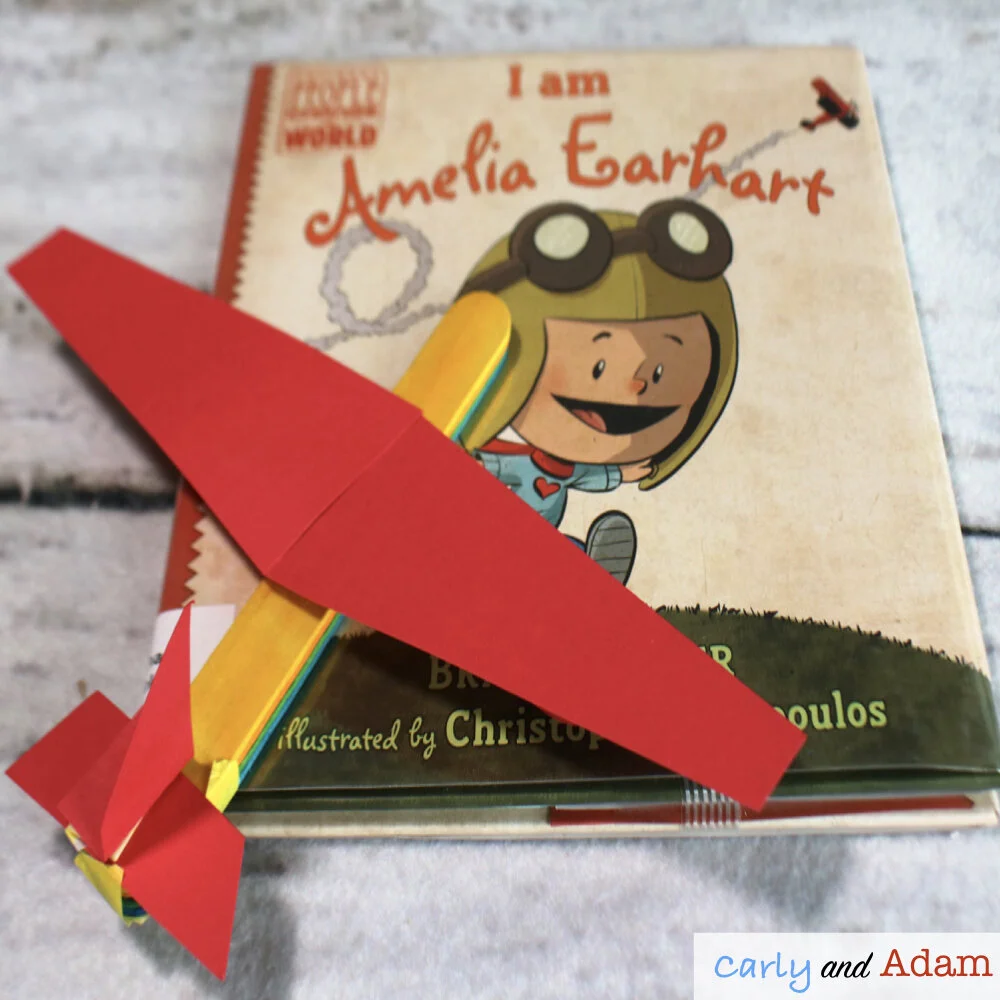
Challenge 5: Let it Fly!
There are lots of challenges that students can try that are connected to air transportation. Using paper, plastic grocery bags, string, index cards, and craft sticks, students can design and build paper airplanes, parachutes, or hang gliders.
These can be built at home with regular household materials and shared virtually, students can demonstrate their flying machines or post a video to the class sharing their best flying times.
Pose these and other creative challenges to your students. Provide them with some simple materials and see what they come up with. STEM challenges can continue to be a part of your classroom practice, even if the classrooms are now in the homes of our students.
Continue to give students the creative outlet to work with their hands and solve problems through engineering and design.
Join our FREE Facebook group Elementary STEM Teachers with Carly and Adam! Learn more about how to incorporate STEM in your classroom and collaborate with other STEM teachers! JOIN NOW!

We hope you have found this blog post helpful. To stay connected with Carly and Adam's teaching tips and classroom freebies be sure to follow us on Facebook, Pinterest, Teachers Pay Teachers, and subscribe to our blog!